Orion

Once upon a time, nestled deep within a magical forest, there lived a magnificent wolf named Orion. He possessed a sleek, silver coat that shimmered under the moonlight, and his piercing blue eyes sparkled like the stars in the night sky. But despite his extraordinary appearance, Orion carried a secret burden; he could not shed a single tear. While the other creatures of the forest revelled in the beauty of their emotions, Orion felt trapped within himself. His inability to cry made him an outcast, as his fellow wolves and woodland friends couldn’t understand his emotional plight. They believed tears to be a sign of vulnerability, but Orion yearned to experience the emotional release that tears could bring.

One day, as Orion wandered through a sunlit glade, he stumbled upon a wise old owl perched atop a moss-covered branch. The owl, Athena, possessed ancient wisdom and keen insight into matters of the heart. Sensing Orion’s sadness, she invited him to share his story. With a heavy heart, Orion poured out his tale of woe to Athena. He expressed his longing to cry, to release the emotions locked within him, and to feel a connection with his kindred spirits. Moved by his plight, Athena offered her guidance.

“Dear Orion,” Athena began, “the ability to cry goes beyond mere tears. It is the language of the heart, a gateway to understanding and compassion. But to embrace this gift, you must first uncover the source of your emotions.”

Together, Orion and Athena embarked on a quest to discover the key to unlocking Orion’s tears. They wandered through enchanted forests, climbed towering mountains, and crossed treacherous rivers. Along the way, they encountered various animals who shared their own stories of sorrow and joy, love and loss. As the journey unfolded, Orion began to understand that emotions were not a sign of weakness but rather an expression of his true self. He discovered that crying was not solely reserved for sadness but could also be a manifestation of happiness, empathy, and gratitude. Finally, deep within the heart of the forest, Orion faced his ultimate challenge, a mystical waterfall known as the “Tears of the Ancients.” It was said that those who stood before it with pure intentions would have their emotions released, allowing their tears to flow freely.

With trembling paws, Orion approached the waterfall. He called upon every emotion buried within him, allowing them to surge through his being. As his heart overflowed with a kaleidoscope of feelings, a single tear welled up in his eye, shimmering like a dewdrop. And then, with a sense of liberation, the tear trickled down Orion’s snout, splashing into the sacred waters below. In that instant, the floodgates burst open, and tears streamed down his face like a gentle rain, cleansing his soul and connecting him to the world around him. Word of Orion’s tearful transformation spread throughout the forest, and the animals rejoiced.

They recognized that emotions were not something to be feared but to be embraced and shared. Orion became a symbol of courage, teaching others to honour their feelings without shame. From that day forward, Orion’s tears became a gift, a reminder that expressing emotions is an essential part of the human experience. He roamed the forest, weaving tales of empathy and compassion, comforting those in need, and spreading the message that every tear carried within it the power to heal and unite. Children from far and wide would gather around Orion, eager to hear his stories and learn from his wisdom. They discovered that crying was not a sign of weakness but a testament to the strength and depth of their hearts.

Orion became a beloved character loved by many, guiding young ones through their own emotional journeys and encouraging them to embrace their feelings with open arms. As the forest flourished with newfound compassion and understanding, a remarkable transformation took place within Orion. With each tear shed, his heart grew lighter, and a radiant joy replaced the burden he had carried for so long. His once solitary existence transformed into a life filled with connection and meaning.

And so, the story of the wolf who could not cry, Orion, became a legend in the magical forest. It served as a reminder to all that emotions are a precious part of being alive, and that through embracing and expressing them, one can find solace, strength, and a profound sense of belonging to all that is and will ever be.

Sebastian Faulks

Sebastian Faulks is a British author known for his novels, short stories, and works of journalism. He was born on April 20, 1953, in Doncaster, England. Faulks studied English at Emmanuel College, Cambridge, where he developed a deep interest in literature.

Faulks gained widespread acclaim with his novel “Birdsong,” published in 1993, which explores the impact of World War I on personal lives and relationships. His writing often reflects themes of love, loss, and historical context, blending rich character development with vivid settings.

In addition to “Birdsong,” he has written several other notable works, including “Charlotte Gray,” “The Fatal Englishman,” and “Engleby.” Faulks is also recognized for his efforts in reviving the character of James Bond in “Devil May Care,” published in 2008, which was well-received by both fans and critics.

Throughout his career, Faulks has received various literary awards and honours, solidifying his reputation as a significant voice in contemporary British literature.

Donald Trump and Elon Musk

The relationship between Donald Trump and Elon Musk has generated significant discussion, particularly regarding the perceived dangers of their influence on global affairs. Some key points highlight these concerns for me: Both Trump and Musk are influential figures in their respective domains—politics and technology. Their partnership could lead to a concentration of power undermining democratic processes and accountability. Trump’s ability to sway public opinion through social media and Musk’s control over platforms like Twitter (now X) raises concerns about misinformation and the manipulation of narratives, potentially leading to societal polarization. Musk’s ventures in technology and space could be heavily influenced by Trump’s policies, which may prioritize specific industries or companies, leading to unequal economic opportunities and stifling competition.

Their relationship could affect international relations, particularly if policies favouring their interests lead to tensions with other countries. For example, Musk’s ambitions in space exploration and mineral exploitation on Earth and Trump’s nationalist approach could clash with global cooperation efforts. The merging of business interests and political influence can lead to ethical dilemmas, including conflicts of interest, where decisions may favour personal gains over the public good. While Musk is known for advocating sustainable technologies, Trump’s administration often rolled back environmental regulations. Their alliance may complicate efforts to address climate change effectively.

Their combined influence could challenge regulatory frameworks designed to oversee technology and business practices, potentially leading to abuses of power or harmful practices. The relationship between Trump and Musk poses potential risks that could impact the U.S. and global politics and economies.

Let us have a quick look at a forensic profile of both and further understand their individual make-up and what makes them tick.

Trump exhibits traits commonly associated with narcissism, including a strong sense of self-importance, a preoccupation with success, and a lack of empathy. He often seeks admiration and has a tendency to dominate conversations. His decision-making style is characterised by impulsivity and spontaneous comments on social media or public statements that seem unfiltered. Trump frequently engages in confrontational behaviour, especially towards critics and opponents. This could suggest a higher tolerance for conflict and a tendency to respond aggressively to perceived slights. He demonstrates a strong desire for control over his environment and the people around him, often leading to authoritative and sometimes authoritarian behaviour.

Trump’s communication style is characterised by simplicity, repetition, and emotional appeal, often employing hyperbole and slogans that resonate with his base. He tends to react defensively to criticism, resorting to personal attacks or dismissive comments about his critics, indicating a sensitivity to perceived threats to his self-image. There may be a significant difference between his public persona, which is often larger-than-life, and his private behaviours, which may include moments of insecurity or doubt.

Trump often frames discussions in terms of “us vs. them,” fostering a strong sense of loyalty among his supporters while vilifying opponents. Despite (or because of) his contentious style, Trump possesses a certain charisma that allows him to command attention and influence a substantial following. Some psychological assessments suggest that individuals with narcissistic tendencies may engage in manipulative behaviours to maintain their self-image and power. Interpersonal relationships may be strained due to tendencies towards self-centeredness and lack of genuine emotional connection.

A psychological forensic profile of Donald Trump reflects a complex interplay of traits and behaviours, with significant implications for his leadership style and interactions with others. Understanding these aspects can provide insight into his decision-making processes and the dynamics of his public and private life.

Elon Musk was born in South Africa and moved to the U.S. for his education. His entrepreneurial spirit emerged early, leading to ventures like Zip2, X.com (which became PayPal), and later Tesla and SpaceX, known for his role in revolutionizing the automotive industry with electric vehicles, advancing space technology with reusable rockets, and promoting renewable energy through SolarCity.

Musk is often characterized as a visionary, emphasizing his ability to think outside the box and pursue ambitious goals. His willingness to invest heavily in uncertain ventures (like SpaceX in its early days) indicates a high tolerance for risk. Musk’s public persona is marked by charisma, which he leverages to inspire and mobilize teams and followers. He is known for having an intense work ethic, often working long hours and expecting similar dedication from his employees. His communication can be polarizing. He uses platforms like Twitter to engage directly with the public, often leading to controversy.
While he shows passion for his projects, examples of conflict with employees and public figures can suggest challenges in emotional balance.

Musk’s actions and statements often evoke strong reactions, and he is seen as a pioneer by some and a controversial figure by others. Frequent media appearances and social media activity keep him in the public eye, contributing to a mixed reputation. His stated goal is to advance human civilization through space exploration and sustainable energy. While driven by innovation, his ventures also aim at significant financial returns, evident in the growth of Tesla and SpaceX.

Critiques often target his management style, which some describe as demanding and abrasive. His controversial tweets have led to legal and financial repercussions, reflecting impulsivity. Elon Musk’s forensic profile reveals a complex individual characterized by innovation, charisma, and a relentless pursuit of ambitious goals, tempered by controversies and challenges in personal and professional domains. Understanding his profile requires acknowledging both his achievements and the criticisms he faces.

Put these two men together, and they become a formidable power not to be underestimated. Their combined ‘lack of control’, ‘impulsive ill thought out behaviour and actions’, ‘lack of respect for others’, ‘ambition’ and ‘lust for control’ are symptoms of looming disaster for the world, or are they?

Disclaimer: My thoughts should be approached with caution and are based on observable behaviour rather than clinical diagnoses, as a comprehensive evaluation would require direct interaction and assessment by presently practising mental health professionals.  

Trumps Lust for Greenland

Former and future President Donald Trump’s interest in Greenland, birthed in 2019. His motivations are due to various geopolitical, economic, and cultural aspects of Greenland as true today, if not more so than six years ago. What follows may be argued to be a fair analysis. However, I cannot help thinking that ‘global domination’ is his goal, and the recent autocratic threats by Trump are somewhat worrying for everybody. If he succeeds on his bid for Greenland, it would bring the end of NATO and US involvement in action against the climate crisis, and goodness knows what domino reactions on the economy, trade and world peace. This recent tirade from the incoming POTUS follows announced intentions for similar threatening actions in Canada and elsewhere. Is there no end to this man’s delusions?

Such actions for POTUS are that Greenland’s location is significant for military and strategic purposes, as it sits between North America and Europe. Control over Greenland could enhance U.S. Military presence in the Arctic region. Greenland is rich in natural resources, including minerals and potential oil reserves. Acquiring these resources could provide economic benefits and boost energy independence for the U.S. Greenland’s ice sheets are crucial for understanding climate change. Increased U.S. presence could enhance research opportunities and collaboration regarding environmental issues. A successful negotiation could strengthen U.S. relationships with Denmark and other Arctic nations, promoting cooperative governance in the region. Investment in Greenland could lead to economic development and infrastructure improvements, benefiting both the U.S. and the residents of Greenland.

However, Greenlandic people may view the idea of selling their land as colonialism or imperialism. This could lead to significant backlash and resentment towards the U.S. The proposal was greeted with scepticism and rejection by the Danish government, making it politically challenging and potentially damaging to U.S.-Denmark relations. Increased U.S. presence and resource extraction could lead to environmental degradation, threatening the unique ecosystems of Greenland. The logistics and costs associated with acquiring and maintaining Greenland could be substantial, raising questions about the feasibility of such a venture. The move has been viewed as aggressive by some nations, particularly those with interests in the Arctic, potentially escalating tensions in the region.

So, while there are potential strategic and economic advantages to Trump’s idea of U.S. control over Greenland, there are significant cultural, political, and environmental disadvantages. I am horrified by his rhetoric and not alone in feeling so. Of course, there could be an even wider agenda, especially related to oil and mineral exploitation. I feel a much deeper and darker agenda and I cannot help thinking POTUS and Elon Musk are plotting and scheming. What do you think?

The Devotees

WIND

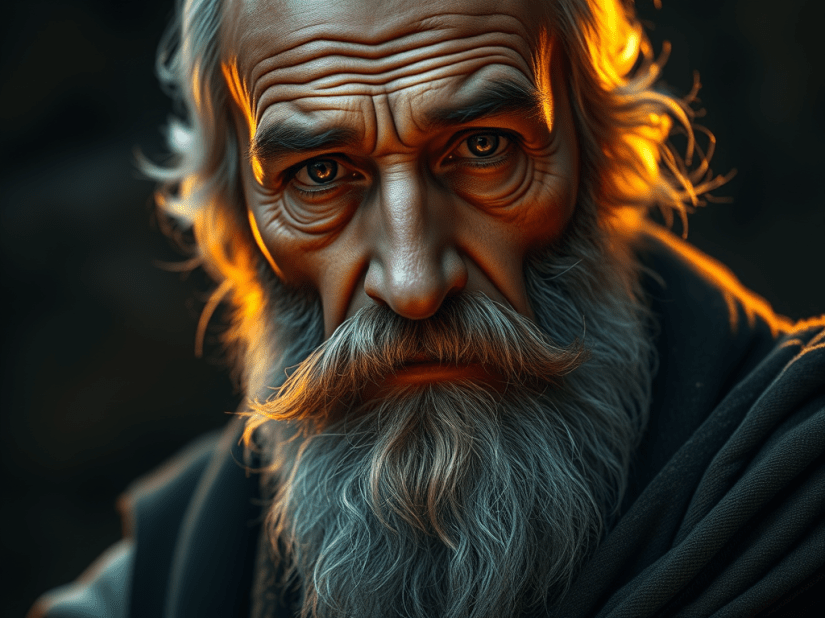
Once upon a time, in a small village nestled in the heart of a lush valley, there lived a man named Constantine. Constantine was known throughout the village for his peculiar fascination with the wind. From a young age, he had been captivated by the invisible force that swept through the land, whispering secrets and tales of distant lands. Constantine would spend hours on end sitting atop a hill, his eyes closed, face turned upwards, and arms extended as if embracing an old friend. He would relish in the gentle caress of the breeze against his skin, feeling an inexplicable connection to the wind’s ever-changing rhythm. It was as if he could hear the wind’s voice, carrying with it messages only he could comprehend.

The villagers found Constantine’s devotion to the wind quite puzzling. They couldn’t fathom why he would choose to spend his days in such a manner, disconnected from the mundane affairs of their lives. Some whispered that he was eccentric or perhaps even mad, but Constantine paid no heed to their judgments. His heart and soul were intertwined with the wind, and that was all that mattered to him. One day, a renowned traveller arrived in the village. His tales of far-off lands and exotic adventures sparked the villagers’ curiosity, and they gathered around him, eager to listen. Constantine, always thirsty for knowledge and new experiences, joined the crowd, hoping to catch a glimpse of the world beyond his beloved valley.

As the traveller began to recount his stories, Constantine’s attention was immediately drawn to a particular tale. It spoke of a distant land where people worshipped the wind as a deity, believing it to be a divine messenger connecting them to the gods. Their lives revolved around the wind’s whispers, and they built magnificent temples atop the highest mountains to pay homage to its power. Constantine’s heart leapt with joy and recognition. It was as if the traveller had unveiled the missing piece of a puzzle he had been trying to solve his entire life.

Without hesitation, he approached the traveller, his eyes gleaming with excitement.

“Sir, please tell me more about this land where the wind is revered. I have spent my days worshipping the wind, feeling its presence in the deepest corners of my being. It is as if the wind has chosen me as its devotee,” Constantine exclaimed.

The traveller, intrigued by Constantine’s genuine enthusiasm, smiled warmly and shared further details about the land. He described how the wind’s whispers guided the people’s decisions, how they danced and sang in celebration of its arrival, and how they found solace and inspiration in its ever-changing nature. Constantine’s heart swelled with a newfound purpose. He made up his mind to embark on a journey to this far-off land, to bask in the presence of his cherished wind, and to become a part of the community that shared his devotion. With each passing day, Constantine’s excitement grew. He bid farewell to his village and ventured into the unknown, driven by his unwavering faith in the wind. His journey was long and arduous, filled with trials and tribulations, but he pressed on, fuelled by the thought of finally finding his place in the world.

Months later, Constantine arrived at the land where the wind was worshipped. The sight before him was awe-inspiring. Countless temples adorned the mountaintops, their magnificent structures reaching towards the heavens. People dressed in vibrant robes moved gracefully, their movements mirroring the ebb and flow of the wind. Constantine’s heart swelled with a sense of belonging as he stepped foot into this sacred land. Word of the wind’s devoted traveller quickly spread throughout the community. The villagers, intrigued by Constantine’s unwavering dedication to the wind, welcomed him with open arms. They saw in him a kindred spirit, someone who understood the profound connection between humanity and the unseen forces of nature. Constantine immersed himself in the rituals and practices of the wind worshippers. He learned to read the wind’s subtle cues, deciphering its messages and interpreting its intentions.

He danced with the villagers, twirling and spinning to the wind’s melodic symphony, feeling its energy flow through his veins. In time, Constantine became a revered figure within the community. His knowledge and love for the wind inspired others to deepen their own relationship with this mystical force. Together, they celebrated the wind’s presence, organizing grand festivals and ceremonies to honour its benevolence. As years passed, Constantine grew older, yet his devotion to the wind never wavered. He became a wise mentor, passing down his wisdom and teachings to the younger generation. He taught them to respect and cherish the wind, to listen to its whispers with open hearts and minds.

One tranquil evening, as Constantine sat atop a mountain peak, his eyes closed and his body swaying in harmony with the wind, he felt a deep sense of fulfilment. He had found his purpose in life, his true calling as the wind’s devotee. The wind, in turn, had bestowed upon him a life rich with meaning and connection. In the twilight of his days, Constantine passed away peacefully, surrounded by the gentle caress of the wind he had worshipped all his life. The villagers mourned his loss but knew that his spirit would forever be carried on the wind’s breath, spreading his love and reverence for the unseen forces that interweave with our lives.

And so, the story of the man who worshipped the wind became a legend, whispered from generation to generation. A reminder that there is beauty and wisdom in embracing the intangible, in finding solace and inspiration in the elements that surround us. Constantine’s legacy lived on, a testament to the power of devotion and the profound connection between humanity and the world that lies beyond our grasp, the ever-mysterious, ever-enchanting wind.

Abstract from ‘The Devotees’ written by Lazarus Carpenter and illustrated by Gill Brooks