
Elara the Wandering Storyteller

Once upon a time, a wandering storyteller named Elara lived in a land where the mountains kissed the sky and rivers sang gentle lullabies. With a heart full of dreams and a satchel overflowing with tales, she roamed from village to village, gathering experiences and sharing the rich tapestry of her stories. Elara’s journey began in a small village nestled between lush green hills. She discovered her love for storytelling there as she listened to the elders weave their narratives by the flickering firelight. Inspired, she decided to embark on a quest to collect stories from every corner of the realm.

She encountered many characters as she travelled: a wise old woman who spoke to the stars, a brave knight searching for his lost honour, and a mischievous fox who knew all the forest secrets. Each encounter enriched her collection, adding wisdom and wonder to her repertoire. While resting under a towering oak tree one day, Elara met a curious young girl named Lila. With sparkling eyes, Lila asked,

“What makes a story truly magical?”

Elara smiled, her heart warming at the question, and replied,

“A story becomes magical when it is shared with an open heart. It lives in the listener’s imagination, transforming with each telling.”

Intrigued, Lila asked if she could join Elara on her journey. The storyteller welcomed her with open arms, and together, they travelled through bustling markets, serene meadows, and enchanted forests, sharing tales that made people laugh, cry, and dream. As their bond grew, so did their understanding of the world. They learned that stories could heal wounds, bridge divides and ignite hope. In a village plagued by despair, Elara and Lila told tales of courage and resilience, reminding the villagers of their strength. Slowly, the village transformed as laughter replaced sorrow and dreams rekindled.

One evening, as the sun dipped below the horizon, Elara and Lila found themselves at the edge of a shimmering lake. The water mirrored the colours of the sky, creating a breathtaking canvas. There, Elara shared her most cherished story—a tale of a phoenix that rose from its ashes, symbolizing rebirth and renewal. As she spoke, the flames of the campfire danced in rhythm with her words, and Lila felt a warmth inside her. She realized that storytelling was not just about sharing tales; it was about connecting souls, sparking imagination, and celebrating the beauty of life itself.

Years passed, and Elara became a legend in her own right, known far and wide as the wandering storyteller. But she never forgot the girl who had travelled with her, for Lila had grown into a gifted storyteller. Inspired by Elara, she took up the mantle, continuing the journey, weaving her own stories into the fabric of the world. And so, the legacy of the wandering storyteller lived on, a reminder that every tale told ignites a spark of magic, connecting hearts across time and space. 
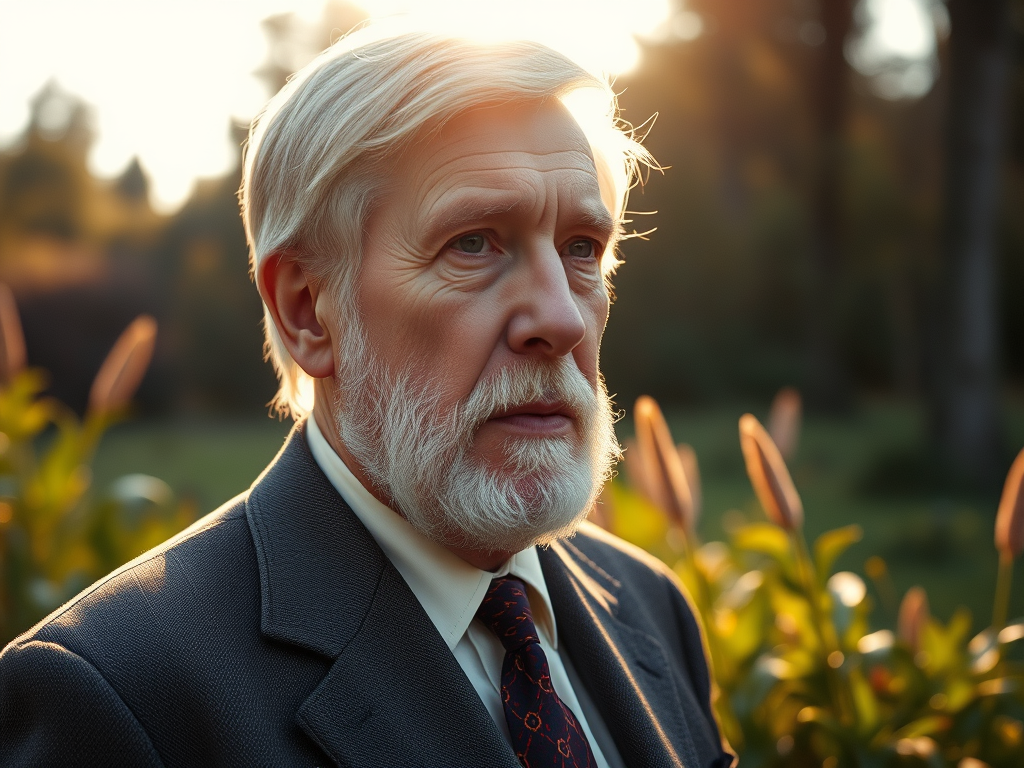
Robert Frost

Robert Frost was an American poet born in San Francisco, California, on March 26, 1874. He is widely regarded as one of the most important poets of the 20th century. Frost’s work is known for its depictions of rural New England life, its use of everyday speech, and its exploration of complex philosophical themes.

Frost’s family moved to Massachusetts after his father died in 1885, and he spent much of his youth there. He attended Harvard University briefly but left to pursue a career in farming and writing. His first book of poetry, “A Boy’s Will,” was published in 1913, followed by “North of Boston” in 1914, establishing his reputation as a leading poet. Frost received numerous accolades throughout his career, including four Pulitzer Prizes for Poetry. Some of his most famous poems include “The Road Not Taken,” “Stopping by Woods on a Snowy Evening,” and “Mending Wall.” His work often explores themes of nature, rural life, individuality, and the human condition.

Frost’s style is characterized by its conversational tone and rhythmic quality, often reflecting the speech patterns of New Englanders. He was also known for his public readings and engaging personality, which helped popularize his poetry. Frost continued to write and publish until his later years, and he passed away on January 29, 1963, in Boston, Massachusetts. His legacy endures, and he remains a central figure in American literature. 

Love is Forever

Once upon a time, in a small, sunlit town, two cradles sat in a cosy nursery. Inside one cradle lay a girl named Lily, with bright blue eyes and curly hair. In the other, a boy named Jack cooed with a shock of dark hair and a mischievous grin as he reached out to touch the world around him. Their parents were close friends, and from the very beginning, their lives were intertwined. As infants, Lily and Jack shared playdates filled with giggles and laughter. Their families often found them reaching for each other’s toys, their tiny hands clasped together. As they grew, their bond deepened; they learned to walk, talk, and explore the world side by side. They built forts in the backyard, rode bicycles down the lane, and spent countless summer afternoons chasing fireflies.

Through childhood and adolescence, they faced the ups and downs of life together. They were each other’s confidants, sharing dreams and fears. Jack would make Lily laugh when she felt shy, and Lily would calm Jack’s wild spirit when he needed peace. They danced through school dances, cheered each other during sports, and supported one another through heartbreaks. As they entered adulthood, their friendship blossomed into love. After many adventures, Jack finally asked Lily to marry him on a starlit night beneath the old oak tree where they had spent many evenings dreaming of the future. With tears of joy, she said yes, and they celebrated their union surrounded by friends and family.

Their marriage was a beautiful journey that spanned 70 years. Together, they built a life filled with love, laughter, and cherished moments. They travelled the world, explored new cultures, and created a home that was always warm and inviting. They welcomed children and later grandchildren, filling their lives with even more joy and love. As the years passed, Lily and Jack grew old, their hands still intertwined as they reminisced about their shared history. They often laughed about their adventures as children, recalling the mischief they had caused and the dreams they once had. Their love had weathered storms and celebrated triumphs, each moment adding to the tapestry of their lives.

On their 90th anniversary of friendship, they threw a grand celebration, inviting everyone who had been part of their journey. Friends and family gathered to share stories, laughter, and tears, honouring the extraordinary bond that had started in that nursery many years ago. As they stood together, surrounded by loved ones, Jack took Lily’s hand, looking into her eyes with the same love he had felt since they were infants. “You’ve been my best friend and greatest adventure,” he said softly. Lily smiled, her heart full. “And you’ve been my home,” she replied.

In that moment, they knew that their incredible journey—one that began in cradles and flourished over decades—was a testament to the power of love and friendship. As the sun set, casting a golden glow over the gathering, they felt a deep sense of gratitude for every moment they had shared, knowing that their hearts would remain intertwined for all eternity. 

Kaya – Dark Tales from the Outback Abstract

Once, in the remote Australian outback, there lived an aborigine named Kaya. He was a skilled tracker and hunter who roamed the vast, desolate lands with an air of quiet confidence. Kaya had always felt a deep connection to the spirits of the land, and his people often spoke of the ancient stories that warned of the dangers lurking in the wilderness. One moonless night, Kaya set out on a hunting expedition, guided only by the faint glow of the stars. His senses were sharp, and he moved through the rugged terrain with the ease of a shadow.

As he ventured deeper into the heart of the outback, a strange unease settled over him. The usual sounds of the night were absent, and an eerie silence enveloped the land. Suddenly, a piercing scream shattered the stillness, causing Kaya to halt in his tracks. The hair on the back of his neck stood on end as he tried to locate the source of the chilling cry. Following the sound, he stumbled upon a clearing where he saw a lone kangaroo, its eyes wide with terror as it desperately tried to escape an unseen force.

Kaya watched in horror as the kangaroo was dragged into the darkness by an unseen entity, its screams fading into the night. The aborigine felt a chill run down his spine, for he knew that the spirit world held many dark and malevolent forces. He knew he had stumbled upon something sinister, something beyond his understanding. Determined to uncover the truth, Kaya embarked on a quest to seek guidance from the wise elders of his tribe.

They revealed to him the ancient legend of a vengeful spirit that had been unleashed upon the land, seeking to wreak havoc on the living. The elders warned Kaya that the spirit had taken the form of a monstrous kangaroo driven by an insatiable thirst for blood. Armed with the knowledge passed down by his ancestors, Kaya set out to confront the malevolent spirit. Armed with ancient symbols and blessed talismans, he ventured back into the wilderness. As he delved deeper into the treacherous terrain, the air grew thick with an otherworldly presence, and the ground seemed to tremble beneath his feet.

Finally, he came face to face with the monstrous kangaroo, its eyes glowing with an unholy light. The creature lunged at Kaya with supernatural speed and ferocity, but the aborigine stood his ground, wielding the protective symbols and chanting the sacred incantations. A fierce battle ensued as Kaya fought to banish the vengeful spirit from the mortal realm. The very fabric of reality seemed to warp and twist around them, and the night itself seemed to hold its breath as the two clashed in a struggle that transcended the physical world. In the end, with a final burst of mystical energy, Kaya managed to seal the spirit away, restoring peace to the land.

As the first light of dawn broke over the horizon, the outback was once again filled with the sounds of life, and Kaya knew he had fulfilled his duty as a guardian of his people. From that day on, the legend of Kaya and the malevolent kangaroo spirit became a cautionary tale, a reminder of the ancient forces that still linger in the wild places of the world. And though the memory of that fateful encounter would always haunt him, Kaya continued to roam the outback with a newfound sense of purpose and a deep respect for the mysteries of the land.

Over time, Kaya’s reputation as a protector and a keeper of ancient wisdom spread far and wide, and he became a revered figure among his people. Years passed, and Kaya’s hair turned grey, but his spirit remained unyielding. He passed down the knowledge he had gained to the younger generations, teaching them to honour the delicate balance between the physical and spiritual realms. His story became a part of the oral tradition, woven into the tapestry of his people’s history as a testament to the enduring power of courage and wisdom.

As the seasons changed and the land continued to whisper its secrets, Kaya’s name became synonymous with resilience and reverence for the natural world. His legacy endured, and the memory of his heroic encounter with the malevolent kangaroo spirit lived on as a reminder of the dangers that lay hidden in the heart of the outback. The tale of Kaya and the vengeful spirit served as a timeless lesson, teaching the importance of humility and the need to safeguard the delicate harmony between humanity and the ancient forces that dwelled in the shadows. It became a parable of the enduring strength of the human spirit and the profound connection that binds all living things.

And so, in the vast expanse of the Australian outback, Kaya’s story echoed through the ages, a testament to the enduring power of the human spirit in the face of the unknown. And though the world continued to change, the legend of Kaya and the malevolent kangaroo spirit remained etched in the very fabric of the land, a testament to the enduring legacy of a humble aborigine who had stood against the darkness and triumphed.

Herman Hesse

Herman Hesse was a German-Swiss author, poet, and painter, born on July 2, 1877, in Calw, Germany, and died on August 9, 1962, in Montagnola, Switzerland. He is best known for exploring individual spirituality and self-discovery, often delving into themes of duality, nature, and the human psyche.

Steppenwolf (1927) – This novel explores the conflict between the individual and society, focusing on a man named Harry Haller who feels split between his human and wolf-like instincts.

Siddhartha (1922) – A philosophical novel that follows the journey of a young man in ancient India as he seeks enlightenment, reflecting Hesse’s interest in Eastern spirituality.

Demian (1919) is a semi-autobiographical novel about self-realization and the struggle against societal norms.

The Glass Bead Game (1943) – Often considered his magnum opus, this novel imagines a future society that values intellectual and artistic pursuits above all, exploring the nature of culture and knowledge.


Hesse’s work was heavily influenced by his own experiences, including his struggles with identity and mental health. He was associated with the German Expressionist movement and later became a key figure in the counterculture of the 1960s, particularly among those seeking alternative spiritual paths. He was awarded the Nobel Prize in Literature in 1946. Hesse’s writings resonate with readers today, appealing to those interested in philosophy, psychology, and the quest for meaning in life. His exploration of the inner self and the pursuit of authenticity remains relevant in contemporary discussions of personal growth and spirituality.