Alaric

Once upon a time, nestled in a verdant valley surrounded by lush forests and rolling hills, there lay the village of Eldergrove. It was a peaceful place known for its vibrant festivals and fertile lands. At the heart of this village lived a unique and enigmatic figure—a two-headed magician named Alaric. Alaric was unlike any other, for he possessed two distinct personalities: Thaddeus, the kind and wise head, and Vesper, the bold and impulsive counterpart. Together, they wielded immense magical power, yet their constant disagreements often set them at odds. The villagers of Eldergrove had long relied on Alaric’s magic for prosperity and protection. Thaddeus was known for using magic to nurture crops, heal the sick, and create gentle illusions that brought joy to the people. On the other hand, Vesper preferred adventurous displays of power and flamboyant spells that dazzled the eyes and stirred excitement. This dichotomy in their personalities meant that, despite their shared body, Alaric was frequently caught in internal conflict.

In the year 1555, as the harvest festival approached, anticipation filled the air. The villagers eagerly awaited the magician’s performance, an annual highlight that brought everyone together in celebration. Yet, this year, the discord between Thaddeus and Vesper reached unprecedented heights. Thaddeus envisioned a serene, enchanting display—a dance of lights and colours to mimic the celestial beauty of the night sky. Vesper, however, sought to impress with a storm of magic, crackling with energy and spectacle. As the festival day dawned, the two heads argued more fiercely than ever. Their voices rose, echoing through the valley, as each tried to assert their vision. Thaddeus appealed to reason and harmony, while Vesper insisted on grandeur and excitement. Their magic, influenced by their conflicting emotions, began to manifest uncontrollably. Sparks flew, and the air hummed with tension as their powers collided.

Without warning, their magic spiralled out of control. A tumultuous explosion of energy erupted, engulfing the village in a kaleidoscope of light and sound. The sky darkened, and a powerful shockwave rippled through Eldergrove. The villagers watched in horror as their beloved homes and fields were torn asunder, replaced by a chaotic storm of raw magic. In the blink of an eye, the village was reduced to ruins—a testament to the destructive potential of unchecked power. As the magical tempest subsided, Alaric stood amidst the devastation, both heads silent and filled with remorse. The once-bustling village was now desolate, and the realisation of their catastrophic mistake hit them hard. They understood that their inability to cooperate had led to this tragedy, and both Thaddeus and Vesper were overcome with guilt.

Determined to atone for their actions, Alaric vowed to rebuild Eldergrove and restore what was lost. With his gentle wisdom, Thaddeus proposed a new approach: to work in harmony, blending their strengths and respecting each other’s perspectives. Vesper, chastened by the disaster, agreed, recognizing the importance of unity and understanding. Together, they began the arduous task of rebuilding. Alaric’s magic, now guided by cooperation and mutual respect, slowly restored the village. They mended homes, revitalized fields, and healed the land. Seeing the sincerity of their efforts, the villagers joined in, and through collective effort, Eldergrove began to flourish again.

The tale of Alaric, the two-headed magician, became a cherished legend in Eldergrove. It served as a powerful reminder of the necessity of cooperation and understanding, especially in the face of differing viewpoints. From that year onward, the harvest festival was a celebration of abundance and unity, emphasizing the strength of working together toward a common goal. In time, Eldergrove thrived, becoming a beacon of harmony and resilience. Alaric, with Thaddeus and Vesper now working as one, continued to protect and nurture the village, ensuring that past lessons would guide the future. Thus, the story of the two-headed magician and the village of Eldergrove lived on is a timeless testament to the power of collaboration and the enduring spirit of community. 

Image by AI

Roald Dahl

Roald Dahl was a British novelist, short story writer, poet, screenwriter, and fighter pilot. He was born on September 13, 1916, in Llandaff, Cardiff, Wales, and passed away on November 23, 1990, in Oxford, England. Dahl is best known for his children’s books, which have become classics of children’s literature. Some of his most famous works include “Charlie and the Chocolate Factory,” “Matilda,” “James and the Giant Peach,” “The BFG,” and “The Witches.”

His writing often featured darkly comic and macabre themes, with a touch of the fantastical and the absurd. His books have been adapted into films, stage plays, and even video games. Apart from his writing, Dahl had a fascinating life. He served as a fighter pilot in the Royal Air Force during World War II and as a spy for the British government in the United States. Dahl’s writing career began with adult short stories before transitioning to writing for children. His work continues to be beloved by readers of all ages worldwide, and his legacy as a storyteller lives on through his books and adaptations. 

Image by AI

George Eliot

George Eliot is the pen name of Mary Ann Evans, a renowned English novelist, poet, journalist, and translator who lived during the Victorian era. She was born on November 22, 1819, in Nuneaton, Warwickshire, England, and died on December 22, 1880, in London. Mary Ann Evans wrote under the pseudonym George Eliot to ensure her works were taken seriously in a male-dominated literary world. She was a prominent figure in the literary scene of her time and is best known for her novels, which are celebrated for their psychological insight, realism, and detailed depiction of rural life in England.

Some of George Eliot’s most famous works include:

1. “Adam Bede” (1859) – Her first full-length novel, which explores the lives of rural English people.
2. “The Mill on the Floss” (1860) – A novel that delves into the complexities of family relationships and personal choices.
3. “Silas Marner” (1861) – A heartwarming tale about redemption and community.
4. “Middlemarch” (1871-1872) – Often considered her masterpiece, this novel is a complex portrayal of life in a provincial English town.

Beyond her literary accomplishments, George Eliot was known for her unconventional life. She lived with George Henry Lewes, a philosopher and critic, in a relationship that was considered scandalous at the time because they were not married. Despite societal disapproval, their relationship was a supportive and intellectually stimulating partnership that lasted until Lewes died in 1878. After Lewes’s death, George Eliot married John Walter Cross in 1880, but her health began to decline soon after. She passed away later that year at the age of 61. George Eliot’s works continue to be studied and admired for their profound insights into human nature and society. 

Image by AI

James Joyce

James Joyce (1882-1941) was an Irish novelist, short story writer, and poet who is considered one of the most influential writers of the 20th century. He is best known for his groundbreaking work, Ulysses, published in 1922. This modernist novel follows the wanderings of Leopold Bloom through Dublin over the course of a single day. Joyce’s writing is known for its complex narrative structures, experimental use of language, and exploration of themes such as consciousness, identity, and the human condition. His earlier work, “Dubliners” (1914), is a collection of short stories that vividly portray the lives of ordinary Dubliners.

Another major work by Joyce is “Finnegans Wake” (1939), a highly experimental and dense novel known for its complex wordplay and multilingual puns. Joyce’s writing style has had a significant impact on modern literature and has inspired many other writers. Joyce’s work is often seen as challenging and can require readers’ effort, but it is also highly rewarding for those who engage with it. His influence on the development of modernist literature cannot be overstated, and he continues to be studied and celebrated for his innovative approach to storytelling. 

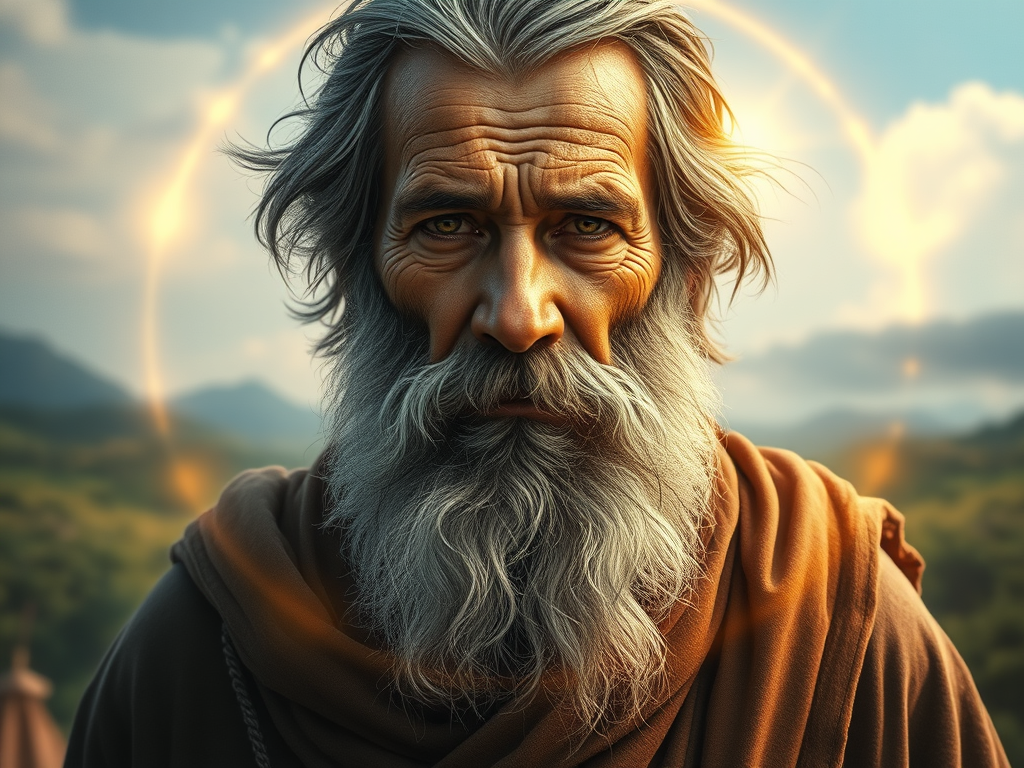
Elias

Once upon a time, in a quiet village nestled between rolling hills, there lived an old man named Elias. Known for his wisdom and gentle spirit, Elias was often seen tending to his garden or sharing stories with the village children. Few knew of his past; he had once been a renowned scholar and adventurer who travelled the world searching for knowledge and truth. One fateful day, a dark cloud descended upon the land. An ancient evil, long thought vanquished, had awakened. Creatures of shadow began to emerge, spreading fear and chaos. The villagers were terrified, and many fled their homes, believing nothing could save them.

Elias, however, felt a familiar stirring within him. He remembered the old prophecies about the “Keeper of Light” rising in times of darkness. Determined to protect his home, he gathered his few belongings and set off on a quest to confront the evil that threatened the world. His journey led him to the Whispering Woods, where he sought the wisdom of the ancient spirits. They revealed that the source of the darkness was a powerful crystal hidden deep within the Caves of Despair. Only by uniting the fragments of the Light Stone scattered across the land could he hope to confront the malevolence.

Elias travelled far and wide, facing numerous challenges along the way. He helped a village beset by drought by teaching them sustainable farming techniques, earning the first fragment of the Light Stone. He rescued a trapped beast in the mountains, gaining another fragment in gratitude. Each act of kindness brought him closer to his goal and rekindled hope in the hearts of those he encountered. Finally, after many trials, Elias gathered all the fragments and made his way to the Caves of Despair. Inside, he faced the embodiment of darkness itself—a towering figure wreathed in shadows. With courage in his heart, Elias held the Light Stone high, channelling the love and kindness he had shared throughout his journey.

A brilliant light erupted from the stone, clashing with the darkness. The power of his compassion and bravery pierced through the shadows, banishing the evil that had plagued the land. As the light spread, it illuminated the cave and transformed the darkness into shimmering stars, restoring balance to the world. Exhausted but triumphant, Elias returned to his village, where he was greeted as a hero. Yet, he humbly declined the title, choosing instead to continue his quiet life among the people he loved. Inspired by his bravery and kindness, the villagers began rebuilding their lives and spreading their lessons. Elias spent his remaining years sharing stories of hope and resilience, reminding everyone that true strength comes not from power or might but from compassion and the willingness to act in the face of adversity. And so, the old man who saved the world became a cherished legend, his tale whispered through generations, a beacon of light against the darkness. 

Image by AI