Lazarus Carpenter
I have lived in Wales for over twenty five years. Born in North Yorkshire, I am now an author, actor, musician and song writer, previously being a therapist, trainer and researcher, specialising in mental health. He was educated in Middlesbrough, Sheffield and Cambridge. With a fascination for Welsh History, I create worlds within worlds; magical, haunting, spirituality permeating sound moral codes of life. I live quietly with Debbie Eve (also my illustrator and our dog, Noodle in a small cottage surrounded by the beauty of the Brecon Beacons in the Valleys of South Wales.
Timothy Leary was a psychologist and writer known for his advocacy of psychedelic drugs. He was a prominent figure in the counterculture movement of the 1960s. Leary’s work with psychedelics like LSD and psilocybin was controversial and influential, as he believed that these substances had therapeutic and spiritual value. Leary famously coined the phrase “Turn on, tune in, drop out,” which became a mantra for the hippie counterculture. He encouraged people to explore their consciousness through psychedelics as a means of personal and spiritual growth.
Leary’s views on psychedelics were intertwined with his political beliefs. He saw the use of psychedelics as a way to challenge traditional authority structures and promote individual freedom. He believed that by expanding their consciousness, people could break free from societal norms and create a more enlightened and peaceful society. Leary’s ideas and experiments with psychedelics led to conflicts with the law, and he was eventually arrested and imprisoned for drug-related charges. Despite this, his work had a lasting impact on psychology, philosophy, and popular culture. Overall, Timothy Leary was a complex and controversial figure who significantly shaped the cultural and political landscape of the 1960s and beyond.
Emily Dickinson was an American poet who lived from December 10, 1830, to May 15, 1886. She is now considered one of the most important and influential American poets of the 19th century. Dickinson was born in Amherst, Massachusetts, and spent most of her life there. Emily Dickinson was known for her reclusive lifestyle. She spent most of her adult life in seclusion, rarely leaving her home. Despite this seclusion, she maintained a lively correspondence with friends and family through letters. Only a handful of her poems were published during her lifetime, and it was not until after her death that her poetry gained recognition.
Dickinson’s poetry is characterized by its unique style, use of punctuation, and unconventional capitalization. She wrote about various themes, including nature, love, death, and immortality. Her poems are known for their brevity and depth of emotion. Dickinson’s work often explores themes of mortality, spirituality, and the nature of existence. Emily Dickinson’s poetry has had a lasting impact on American literature. Her innovative style and exploration of complex themes have inspired generations of poets and readers. Her work has been studied and celebrated for its originality, wit, and emotional depth.
After her death, Dickinson’s poems were discovered by her sister, Lavinia, and were published posthumously. The first collection of her poetry was published in 1890. Since then, her work has been widely anthologized and studied in academic settings. Emily Dickinson is now considered one of the most important poets in American literary history. Her poems continue to be studied and admired for their insight, beauty, and emotional power. She is seen as a pioneer of modern poetry and a voice that continues to resonate with readers around the world. Emily Dickinson’s life and work have left a lasting impact on the world of poetry, and she remains a highly regarded and influential figure in American literature.
Agatha Christie was a famous British writer known for her detective novels. She was born on September 15, 1890, and died on January 12, 1976. Christie is best known for creating iconic characters such as Hercule Poirot and Miss Marple, who feature in many of her works. Her mystery novels are known for their intricate plots, clever twists, and engaging storytelling.
Christie’s works include popular titles such as “Murder on the Orient Express,” “And Then There Were None,” “The Murder of Roger Ackroyd,” and many more. She is one of the best-selling authors of all time, with her books translated into many languages and adapted into numerous films, TV shows, and stage plays.
Christie’s writing style and ability to create suspenseful and puzzling mysteries have earned her a lasting legacy as the “Queen of Mystery.” Readers around the world enjoy her works, and she remains a beloved figure in the world of detective fiction.
I have endeavoured in this Ghostly little book to raise the Ghost of an Idea, which shall not put my readers out of humour with themselves, with each other, with the season, or with me. May it haunt their houses pleasantly, and no one wish to lay it.
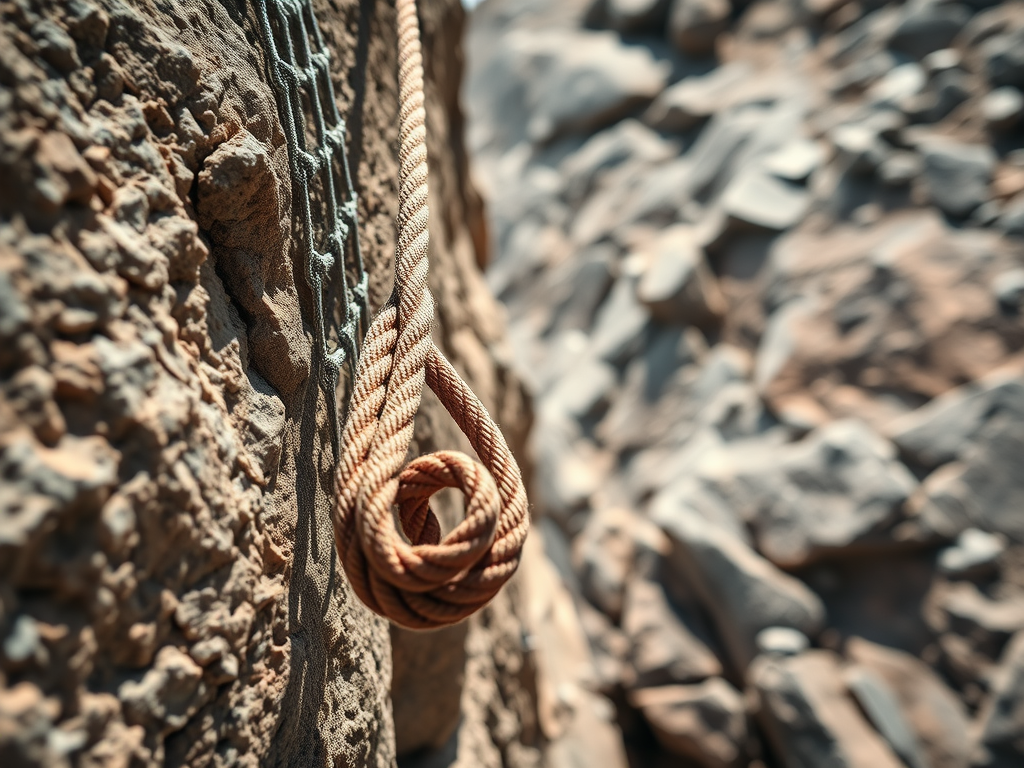
On a frigid day near the summit of K2, four climbers—Anna, Marco, Sarah, and Tom—were making their ascent up a perilous icy wall. The air was thin, and the biting wind howled around them, but their spirits were high. They had trained for months and were determined to conquer the mountain. As they neared a treacherous overhang, Anna, the most experienced of the group, led the way. Suddenly, her foot slipped on a patch of ice, sending her tumbling backwards. In a split second, her fall yanked on the ropes, pulling Marco and Sarah off balance. They all dangled precariously, suspended in the deadly expanse between the rock face and the abyss below. Panic erupted as Tom, the last climber, struggled to maintain his grip. He could feel the strain on the ropes intensifying, threatening to snap under the weight of three climbers. They had trained for moments like this, but nothing could prepare them for the gut-wrenching decision they now faced.
“Tom! You have to cut the rope!” Marco shouted, his voice strained. “It’s the only way to save yourself!”
“No!” Anna cried, her voice filled with desperation. “There must be another way! We can hold on!”
But they all knew the truth. The ropes were fraying, and the longer they stayed suspended, the less chance anyone would survive. Tom’s heart raced. He looked at each of his friends, seeing the fear and determination in their eyes.
“We can’t all make it!” Sarah shouted, tears streaming down her face. “You have to choose!”
The weight of the decision crushed Tom. He felt the cold metal of the knife in his hand, heavy with the burden of choice. He looked at Anna, who had always been his mentor and friend. Then at Marco, whose laughter echoed in his memories, and finally at Sarah, whose dreams of reaching the summit were so close yet now so distant.
“Please, Tom!” Marco urged. “Save yourself!”
At that moment, Tom realized their bonds were deeper than the ropes that bound them. He took a breath, fighting back tears.
“I can’t do it,” he said, trembling. “I can’t choose.”
But the mountain was unforgiving. With the rope straining and their dire situation growing, Tom knew he had to act.
“I’ll cut the rope,” he said finally, his voice resolute yet sorrowful.
He reached for Anna’s rope first, knowing she had the best chance of making it to safety.
“Tom, no!” Anna screamed, but he pressed on, his heart breaking as he made the cut.
With a final cry, the rope fell away, and Anna disappeared from view. In a moment of silence, the remaining three felt the weight lift. Tom had chosen to save the two who remained. He secured the remaining rope and pulled Marco and Sarah up to safety, his heart heavy with grief. As they reached the summit, the wind howled in mourning. Tom looked out over the vast expanse, the beauty of the world below overshadowed by the loss of his friend. They had conquered K2, but at a cost that would haunt him forever. In the years that followed, Tom would climb again, but he would always carry the memory of that day—the day he had to choose life and let go, a choice that would forever define him.