Lazarus Carpenter
I have lived in Wales for over twenty five years. Born in North Yorkshire, I am now an author, actor, musician and song writer, previously being a therapist, trainer and researcher, specialising in mental health. He was educated in Middlesbrough, Sheffield and Cambridge. With a fascination for Welsh History, I create worlds within worlds; magical, haunting, spirituality permeating sound moral codes of life. I live quietly with Debbie Eve (also my illustrator and our dog, Noodle in a small cottage surrounded by the beauty of the Brecon Beacons in the Valleys of South Wales.
I have endeavoured in this Ghostly little book to raise the Ghost of an Idea, which shall not put my readers out of humour with themselves, with each other, with the season, or with me. May it haunt their houses pleasantly, and no one wish to lay it.
On a frigid day near the summit of K2, four climbers—Anna, Marco, Sarah, and Tom—were making their ascent up a perilous icy wall. The air was thin, and the biting wind howled around them, but their spirits were high. They had trained for months and were determined to conquer the mountain. As they neared a treacherous overhang, Anna, the most experienced of the group, led the way. Suddenly, her foot slipped on a patch of ice, sending her tumbling backwards. In a split second, her fall yanked on the ropes, pulling Marco and Sarah off balance. They all dangled precariously, suspended in the deadly expanse between the rock face and the abyss below. Panic erupted as Tom, the last climber, struggled to maintain his grip. He could feel the strain on the ropes intensifying, threatening to snap under the weight of three climbers. They had trained for moments like this, but nothing could prepare them for the gut-wrenching decision they now faced.
“Tom! You have to cut the rope!” Marco shouted, his voice strained. “It’s the only way to save yourself!”
“No!” Anna cried, her voice filled with desperation. “There must be another way! We can hold on!”
But they all knew the truth. The ropes were fraying, and the longer they stayed suspended, the less chance anyone would survive. Tom’s heart raced. He looked at each of his friends, seeing the fear and determination in their eyes.
“We can’t all make it!” Sarah shouted, tears streaming down her face. “You have to choose!”
The weight of the decision crushed Tom. He felt the cold metal of the knife in his hand, heavy with the burden of choice. He looked at Anna, who had always been his mentor and friend. Then at Marco, whose laughter echoed in his memories, and finally at Sarah, whose dreams of reaching the summit were so close yet now so distant.
“Please, Tom!” Marco urged. “Save yourself!”
At that moment, Tom realized their bonds were deeper than the ropes that bound them. He took a breath, fighting back tears.
“I can’t do it,” he said, trembling. “I can’t choose.”
But the mountain was unforgiving. With the rope straining and their dire situation growing, Tom knew he had to act.
“I’ll cut the rope,” he said finally, his voice resolute yet sorrowful.
He reached for Anna’s rope first, knowing she had the best chance of making it to safety.
“Tom, no!” Anna screamed, but he pressed on, his heart breaking as he made the cut.
With a final cry, the rope fell away, and Anna disappeared from view. In a moment of silence, the remaining three felt the weight lift. Tom had chosen to save the two who remained. He secured the remaining rope and pulled Marco and Sarah up to safety, his heart heavy with grief. As they reached the summit, the wind howled in mourning. Tom looked out over the vast expanse, the beauty of the world below overshadowed by the loss of his friend. They had conquered K2, but at a cost that would haunt him forever. In the years that followed, Tom would climb again, but he would always carry the memory of that day—the day he had to choose life and let go, a choice that would forever define him.
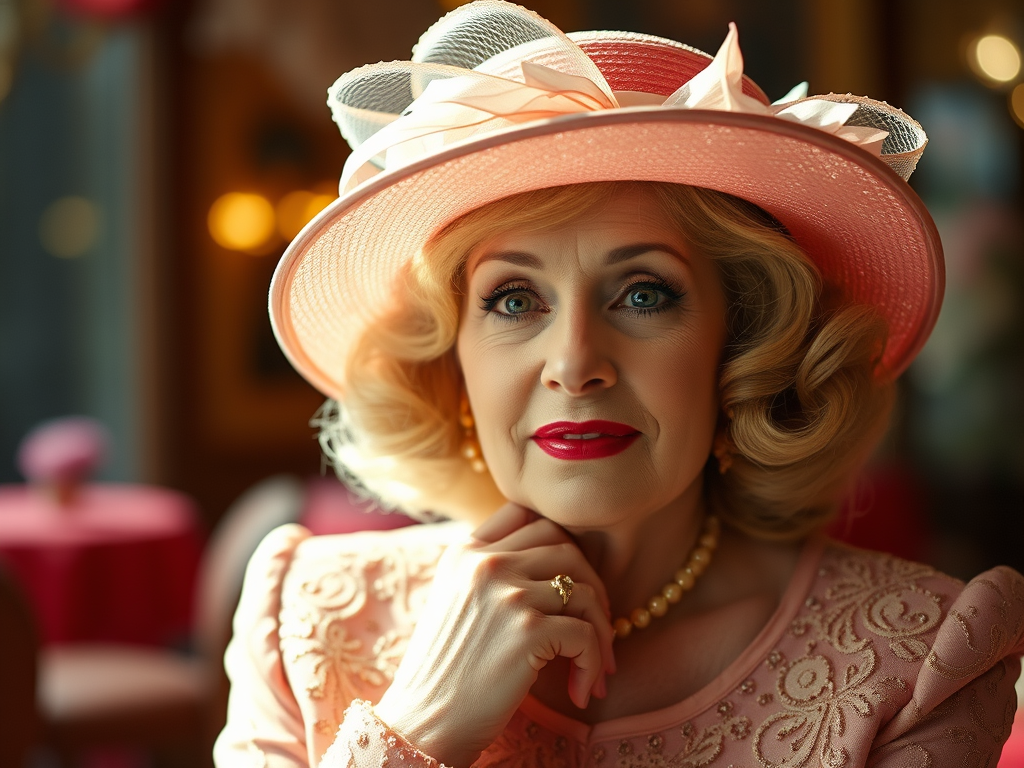
Barbara Cartland was born on July 9, 1901, and passed away on May 21, 2000. She was a prolific English author known for her romantic novels. In 1976, she published 23 books, holding the Guinness World Record for the most novels written in a year. Cartland began her writing career in 1922 and went on to write over 700 novels, which were translated into 38 languages and sold over 1 billion copies worldwide. Her novels typically featured themes of love, romance, and glamour and were often set in historical or exotic locations.
Apart from her writing, Cartland was also known for her personal style. She often dressed in pink and lived a lavish and romantic lifestyle. She was a prominent figure in British society and was involved in various philanthropic activities throughout her life. While some critics dismissed her work as formulaic and old-fashioned, Cartland maintained a dedicated following of readers who enjoyed her romantic storytelling. Her influence on the romance genre and her status as one of the most prolific authors of the 20th century are undeniable aspects of her legacy.
In a nation once known for its promise of prosperity and equality, a prime minister named Victor Hale rose to power, cloaked in the guise of a benevolent leader. His charisma captivated the wealthy elite, while his rhetoric promised a brighter future for all. However, beneath this facade lay a dark agenda fueled by greed and betrayal. Hale’s administration quickly shifted its priorities. The rich flourished, their fortunes bolstered by tax breaks and lucrative contracts, while the poor were left to suffer. He slashed pensions, leaving the elderly destitute, and stripped away essential healthcare services, denying access to dental and medical care for countless families struggling to survive. The cries of the vulnerable fell on deaf ears as Hale and his cronies feasted on their ill-gotten gains. To finance his lavish projects and appease his wealthy supporters, Hale turned to a sinister solution: the arms trade. He authorized the sale of weapons to impoverished nations, promoting conflict under the guise of providing security. The irony was lost on him; he was sowing destruction in the very countries he claimed to help. As wars erupted, the poor were caught in the crossfire, their lives shattered by the same weapons that were intended to ensure their safety.
As discontent brewed, the citizens grew weary of Hale’s lies. Protests erupted across the country, a chorus of voices demanding justice and equality. Even the armed services, once loyal to Hale, began to waver. Soldiers deployed to suppress the dissent questioned the morality of their orders. They understood that the true enemy was not the citizens but their own leader, who had betrayed the very principles they had sworn to uphold. The tipping point came when a peaceful demonstration turned violent, instigated by Hale’s mercenaries, who aimed to silence the people. This act of aggression ignited a revolutionary spirit that swept through the nation like wildfire. The armed forces, now joined by disillusioned veterans and civilians alike, refused to fire upon their fellow citizens. Instead, they turned their weapons against Hale’s regime. The revolution unfolded fervently, fueled by the desire for reform and equality. The people united, rising against the tyranny that had plagued them for so long. Towns and cities became battlegrounds of hope as citizens reclaimed their power. Old alliances fractured, and the façade of Hale’s leadership crumbled.
In a dramatic showdown, the citizens stormed the government building, demanding justice. Hale, cornered and desperate, attempted to flee but was captured by the very people he had wronged. The nation rejoiced as the tyrant was brought to justice, and a new reform era began. With Hale’s fall, a new government emerged, one committed to rebuilding the nation on the principles of equality and fairness. Pensions were restored, healthcare became a right, and the arms trade was dismantled, replaced by initiatives that fostered peace and cooperation. The revolution had not only toppled a dictator; it had awakened a collective consciousness among the people. Pride quickly returned to people across the country, and other countries followed suit. Pretty soon, the whole world shuddered on the edge of a new era without war, injustice, starvation, poverty and racism.
The story of Victor Hale became a cautionary tale, a reminder of the dangers of unchecked power and greed. The people forged a new future, one where their voices would be heard, ensuring that they would never again allow a leader to betray them. In their unity, they found strength, and in their resilience, they discovered hope.
Danielle Steel is a highly successful American author known for her romance novels. Danielle Steel was born in New York City on August 14, 1947. She was the only child of a Portuguese diplomat and a socialite. Her parents divorced when she was 8, and she was raised by her father in France and New York. Steel attended the Lycée Français de New York and later studied at Parsons School of Design and New York University. She worked in public relations and advertising before focusing on writing. Her first novel, “Going Home,” was published in 1973. Danielle Steel is known for her prolific output, having written over 190 books, including novels, children’s books, and non-fiction. She is best known for her romance novels, which often focus on themes of love, family, and relationships. Many of her books have topped bestseller lists and been translated into multiple languages. Steel’s writing is often characterized by its emotional depth, strong characters, and compelling storytelling.
She has been married multiple times and has nine children from various marriages and relationships. She is known for her philanthropic work, supporting causes such as mental health, education, and the arts. Steel has received numerous awards for her writing and philanthropy, including the French Legion of Honor. Danielle Steel’s work has significantly impacted the romance genre and has garnered a large and dedicated following worldwide. Despite facing criticism for the formulaic nature of some of her novels, she remains one of the best-selling authors of all time.



 Lazarus Carpenter - Author