The Balance

Once upon a time, two siblings, Elara and Alden, lived in a kingdom nestled amidst towering mountains and lush forests. Elara was known far and wide for her physical strength; she could lift boulders and outmatch any warrior in combat. On the other hand, Alden possessed a different kind of strength – he was incredibly intelligent and possessed a keen wit that could unravel the most complex puzzles. Despite their differences, Elara and Alden were inseparable and complemented each other perfectly. Where Elara’s strength failed, Alden’s intellect would prevail, and Elara’s might would triumph where Alden’s mind faltered.

One day, a great evil descended upon the kingdom in the form of a fierce dragon that terrorized the land, laying waste to villages and crops. The king called upon his bravest knights to slay the beast, but all efforts were in vain. It seemed that no one could match the dragon’s power and ferocity. Elara and Alden knew they had to do something to save their kingdom. Drawing upon their respective strengths, they devised a plan. Elara would challenge the dragon to a physical duel, distracting it with her incredible strength, while Alden snuck behind the beast to find its weakness. Elara fought with all her might as the battle raged, deflecting the dragon’s fiery breath and powerful attacks. Meanwhile, Alden searched for a way to defeat the beast. Finally, he discovered a small gap where its scales were weakest in the dragon’s armour.

With a swift and calculated strike, Alden plunged his sword into the dragon’s vulnerable spot, causing the beast to roar in pain and collapse. Elara seized the opportunity and delivered the final blow, vanquishing the dragon once and for all. The kingdom rejoiced at the victory of the siblings, celebrating their bravery and ingenuity. Elara and Alden have shown that true strength comes not just from physical might or intellectual prowess alone but from the unity of both. Together, they overcame the greatest challenges and emerged victorious, proving that strength and weakness are but two sides of the same coin, each complementing the other in perfect harmony.
Image by AI


Gabriel García Márquez

Gabriel García Márquez, full name Gabriel José de la Concordia García Márquez, was a Colombian novelist, short-story writer, screenwriter, and journalist. He was born on March 6, 1927, in Aracataca, Colombia, and passed away on April 17, 2014, in Mexico City, Mexico. Márquez is best known for his novels, particularly his masterpiece “One Hundred Years of Solitude” (1967), considered one of the greatest achievements in literature in the 20th century. He was a significant proponent of magical realism, a literary style in which magical elements are woven into a realistic narrative.

Throughout his career, García Márquez received numerous awards, including the Nobel Prize in Literature in 1982 for his novels and short stories, in which the fantastic and the realistic are combined in a richly composed world of imagination, reflecting a continent’s life and conflicts. His other notable works include “Love in the Time of Cholera,” “Chronicle of a Death Foretold,” and “The Autumn of the Patriarch,” among others. Gabriel García Márquez’s works have had a profound impact on literature and have influenced countless writers around the world. 

Image by AI

The Tear Drop

Once upon a time, in a small village nestled between rolling hills and lush forests, there was a peculiar teardrop that would not dry. This teardrop was no ordinary water droplet; it was a magical tear shed by a fairy named Lyra, known for her kindness and compassion. Lyra’s tear fell from her delicate eye one starry night when she witnessed an act of great injustice in the village. The tear shimmered in the moonlight as it touched the ground, and instead of evaporating like tears usually do, it stayed intact, glistening with an otherworldly radiance. The villagers were astounded by this mysterious tear drop that refused to dry. They tried to wipe it away, but it reformed in the same spot. Some believed it was a sign from the fairy realm, while others thought it was a curse cast upon the village. Days turned into weeks, and weeks turned into months, but the teardrop remained, a constant reminder of the sorrow that had befallen the village. The people started to avoid where the tear lay, fearing its strange power. As time passed, the villagers noticed something remarkable. The teardrop grew slowly but steadily, forming a small pool of shimmering liquid. Flowers bloomed around the pool, their petals vibrant and colourful, as if nourished by the magical tear.


One day, a young girl named Elara, who had always been drawn to the teardrop, approached it with a heart full of curiosity and empathy. She sat beside the pool and gazed into its depths, feeling a deep connection to the sorrow and beauty that it held.
As she sat there, a wondrous thing happened. The teardrop began to rise from the pool, swirling and shimmering in the air before transforming into a radiant butterfly, its wings glittering with all the colours of the rainbow. The butterfly fluttered around Elara, filling her with peace and understanding.

The villagers watched in awe as the butterfly danced through the village, spreading hope and healing wherever it went. And as it flew away into the sunset, the teardrop finally dried, leaving a sense of wonder and magic that would forever linger in the villagers’ hearts. From that day on, the village was known far and wide as a place where tears turned into beauty, sorrow gave birth to joy, and the magic of compassion and empathy could transform even the most stubborn teardrop into a symbol of hope and renewal.

Images by AI

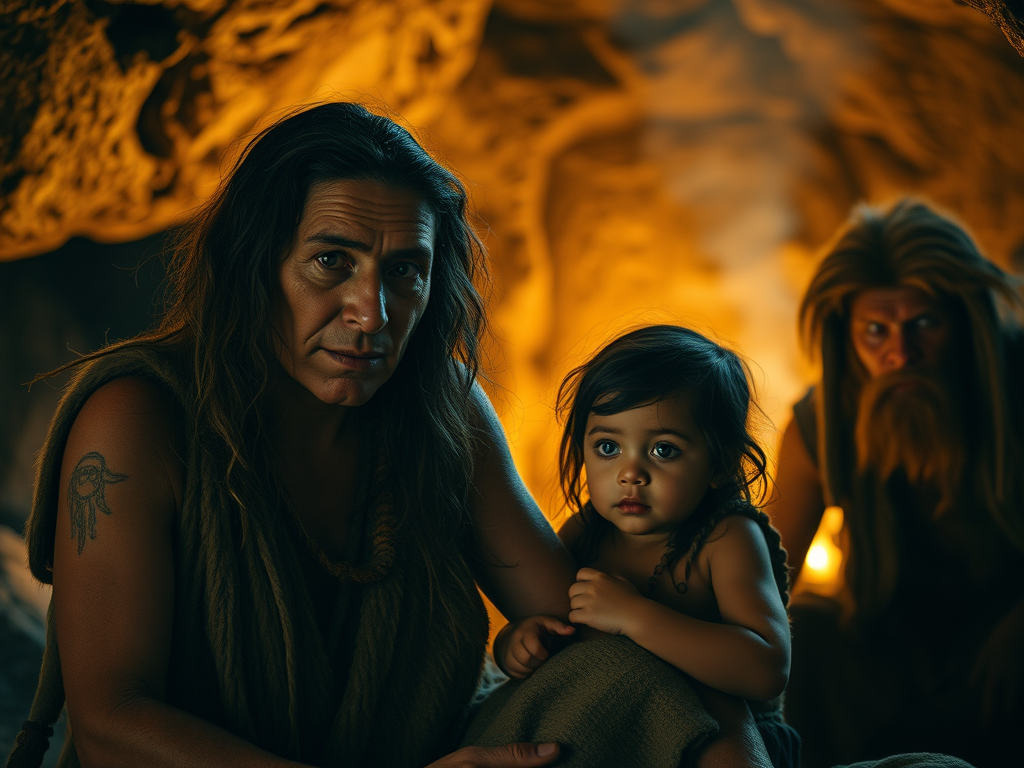
Jean M. Auel

Jean M. Auel is an American writer known for her Earth’s Children series of novels, a prehistoric fiction series set in Europe during the Upper Paleolithic era. The series started with the publication of “The Clan of the Cave Bear” in 1980, which was a huge success and became a bestseller.

Jean Marie Auel was born on February 18, 1936, in Chicago, Illinois. She studied at the University of Portland and received her Bachelor of Arts degree in 1976. Before becoming a writer, she worked as a technical writer and a credit manager. After the success of her first novel, Auel continued the Earth’s Children series with several more books, including “The Valley of Horses,” “The Mammoth Hunters,” “The Plains of Passage,” “The Shelters of Stone,” and “The Land of Painted Caves.” Her novels are known for their detailed research into prehistoric times, including the flora, fauna, and cultures of the time. The series follows the life of a young Cro-Magnon woman named Ayla, who is raised by Neanderthals and must navigate the challenges of life in a prehistoric world.

Jean M. Auel’s books have been translated into numerous languages and have sold millions of copies worldwide. While she faced some criticism for the accuracy of her portrayals of prehistoric life, her novels have been praised for their imaginative storytelling and vivid depictions of ancient cultures. She passed away on March 28, 2019, at the age of 82. Her legacy lives on through her Earth’s Children series, which continues to captivate readers with its unique blend of historical research and compelling storytelling.

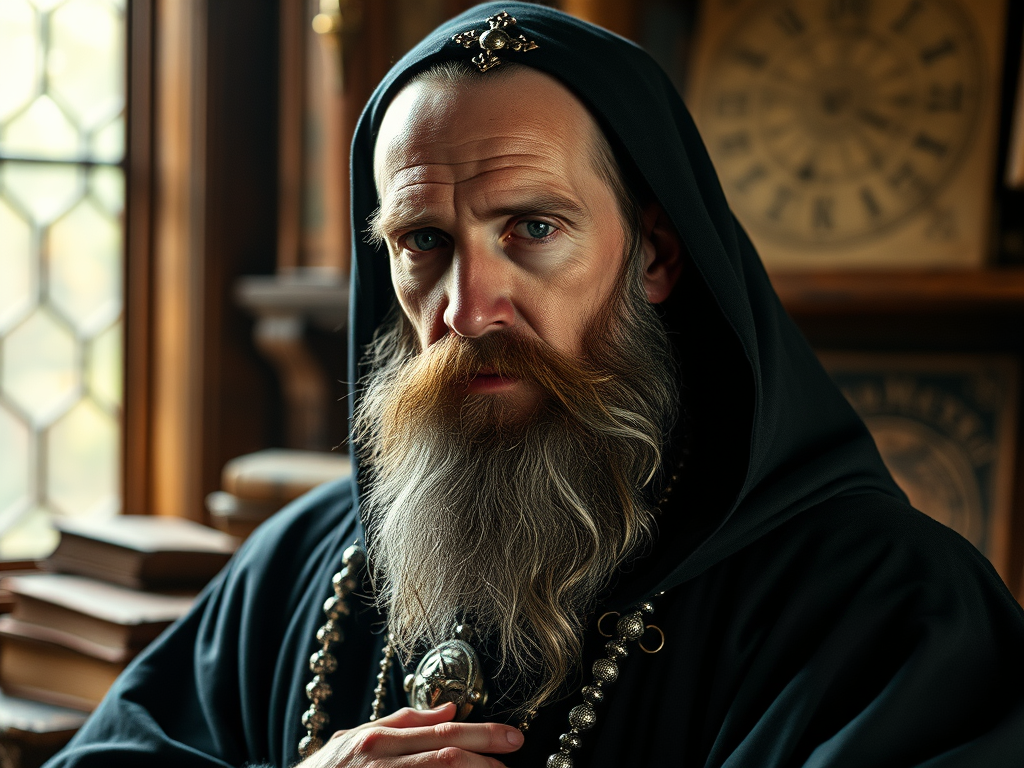
John Dee

John Dee, a prominent figure in the Elizabethan era and a fascinating polymath, was known for his wide range of interests and pursuits that spanned mathematics, astronomy, astrology, and the occult. His work and writings have captured the imagination of scholars and enthusiasts for centuries, offering a glimpse into the intellectual landscape of the Renaissance period. While John Dee is most well-known for his contributions to mathematics and his role as an advisor to Queen Elizabeth I, he also delved into the realms of esoteric knowledge and mysticism. Dee’s interests in the occult and the metaphysical were deeply intertwined with his scientific inquiries, leading him to explore the boundaries between the material world and the spiritual realms.

Eschatology, the study of the End of Times or the ultimate destiny of humanity, was a topic that intrigued Dee, as it did many thinkers of his time who grappled with questions about the nature of existence and the fate of the world. While Dee did not have a single, well-defined theory on the End of Times, his esoteric pursuits and spiritual beliefs likely influenced his thoughts on the subject. In his quest for knowledge and understanding, Dee engaged in practices such as scrying, divination or seeking visions through a crystal ball or other reflective surfaces, and communication with spiritual beings. These activities were part of his broader exploration of the hidden forces and dimensions that he believed shaped the universe and human destiny.

In interpreting Dee’s writings and works, scholars have uncovered layers of symbolism, allegory, and hidden meanings that reveal his complex worldview and philosophical outlook. His involvement in the occult and his interactions with spiritual entities have added a mystical dimension to his legacy, inviting speculation and curiosity about his beliefs regarding eschatology and the End of Times. To understand John Dee’s thoughts on the End of Times, one must consider his writings, such as his journals, letters, and treatises on subjects ranging from mathematics to alchemy to angelic communication. By exploring the intersections of science, mysticism, and spirituality in Dee’s work, one can unravel the enigmatic tapestry of his intellectual pursuits and potentially glimpse his reflections on the ultimate fate of humanity and the cosmos.

Image by AI