
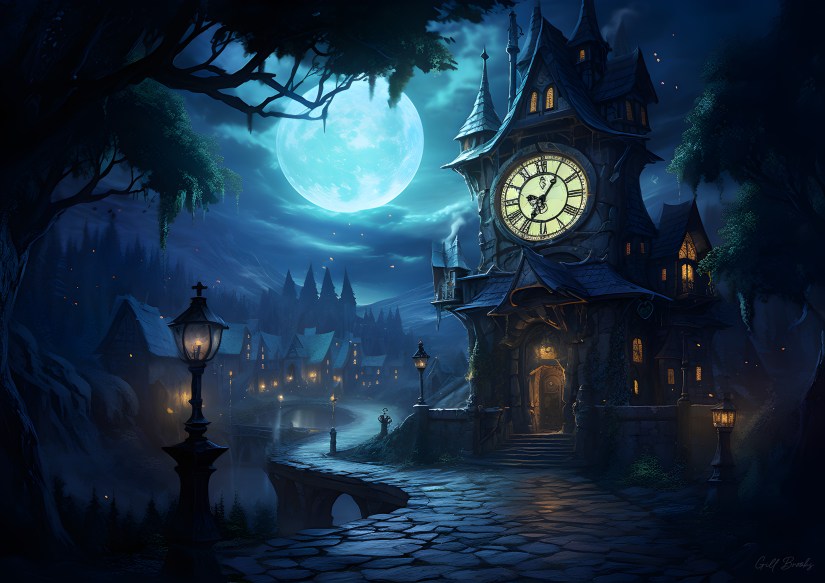
The morning after Halloween arrived with a soft, pale light that belonged to no season and all seasons at once. The town lay in a curious hush, as if the world itself was letting out a sigh after a long, wild party. There were candy wrappers like fallen confetti strewn along the sidewalks, and a faint scent of cinnamon and rain lingered in the air. Beyond the old clock tower, where the town’s gears creaked and sighed, a seam of pale frost appeared along the cobblestones. It wasn’t ice but the beginning of a doorway, thin and shimmering, like a heat mirage that had learned to whisper. The creatures of the night, who had danced under the streetlamps and stirred the shadows with laughter that tasted of danger and delight, began to drift toward it.
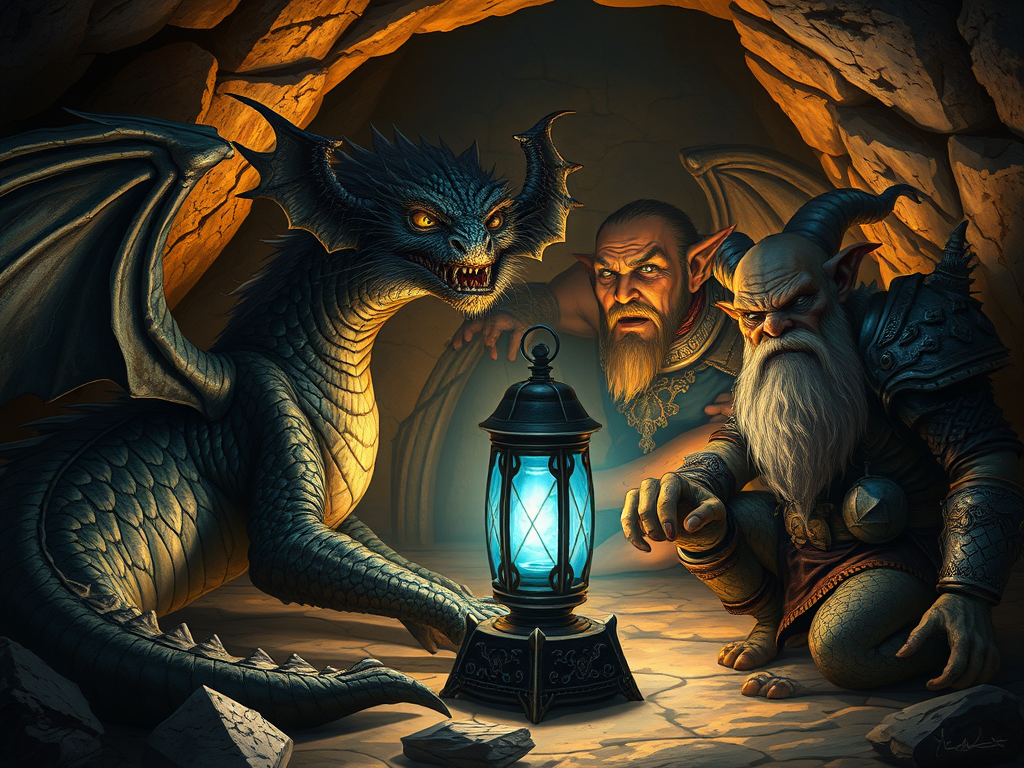
The goblins, still wearing their impish grins and pockets full of trinkets, counted the last of their glittering loot and tucked it away. Their hands, stained with chalky dust and moonlight, moved with surprising tenderness as they tied small knots in their little satchels, ensuring nothing spilled into the waking world. Werewolves, who had sung to the moon in a chorus of howls that could shake windows, paused at the threshold of the mist. Their fur still carried the scent of the night, earth, rain, and pine yet their eyes held something softer now, a lineage of loyalty to a world that no longer needed guardians in a hunt. They offered a wary nod to the town, as if to say: we leave the hunt to the dark and return to the dark’s house. Spirits drifted with a measured ease, their forms wavering like candle smoke. They carried with them the memory of laughter that tasted like autumn sugar and the ache of goodbyes spoken in a language older than stone. They glided past alleyways and gardens, leaving behind a delicate frost that sparkled with tiny, unspoken promises. Some wore expressions of mischief that would have frightened a mortal, but the day’s calm offered them a moment of pause rather than a boast.
Ghouls and shadows, silk-wrapped phantoms and lantern-eyed wraiths all moved toward the seam with a surprising uniformity. It was as if a tide of night had been receded, leaving behind an ocean of memory and the soft thump of real-world feet resuming their everyday rhythms: a dog’s eager bark, a kettle singing to itself, a bicycle bell that rang in the distance.
In the center of town, Mrs Alderney, who ran the little bakery that baked more dreams than bread, stood on the last step of her shop, watching the pale seam. Her chalk white apron fluttered in the dawn breeze, dusted with flour and something like starlight. She had spent the night listening to the stories of the day after, the stories told by those creatures who had wrapped the night in their own form of poetry and menace.
“Until next year,” she whispered, as if addressing both the town and the departing travellers. Her voice carried not fear but a gentle familiarity, the way an old grandmother’s voice carries a soft warning and a warm joke in the same breath.
The goblins paused, counting their steps back toward the seam, and the werewolves tilted their heads in a rare gesture of gratitude. The spirits, who often forgot to speak in anything but sighs and chimes, paused to tilt their translucent faces toward the bakery’s warm light. It was as if a single, unspoken agreement passed between them: we visit, we feast, and we fade until the next turning of the calendar when the door will open again. When the last of the wanderers stepped through the seam, the frost dissolved into dew that clung to leaves and ribbon spun spider webs. The town woke in a careful way, as if waking from a dream in which you were sure you’d forgotten something important, and then remembered you’d forgotten all the wrong things. Children who had chased their shadows the night before woke to find their costumes still clinging to the corners of their rooms like friendly ghosts who had not quite finished telling their stories. They traded their masks for crayons and notebooks, their pockets for clean hands, and their mouths for the first sincere “please” and “thank you” of the day. The mayor, who always kept a pocket watch for emergencies, found himself with a moment of unusual clarity. The city might forget the exact shape of a goblin or the echo of a howl, but it would not forget the lesson etched into its heart by their brief presence: difference is a kind of magic, and magic loves a world brave enough to let it pass in and out like breath.
As the sun climbed higher, painting the town in gold and the soft green of early fall, something in the air carried a note of promise. Not a vow of fear, but a vow of wonder: that the world is large enough to hold both the ordinary and the extraordinary, and that, come next Halloween, the door might open again, not for chaos, but for a shared moment of awe.
And so, with the day after Halloween spreading calm like a quilt over the town, the spirits, ghosts, werewolves, goblins, and creatures of the dark world returned to their own realm, content that they had kept a delicate balance between mischief and mercy. Peace settled into the streets, like a lullaby hummed at dusk, until the next year when the music would play again and the seam would glow once more with the soft light of a world that believes in magic even for just one night a year.

 Lazarus Carpenter - Author