Bernard Cornwell

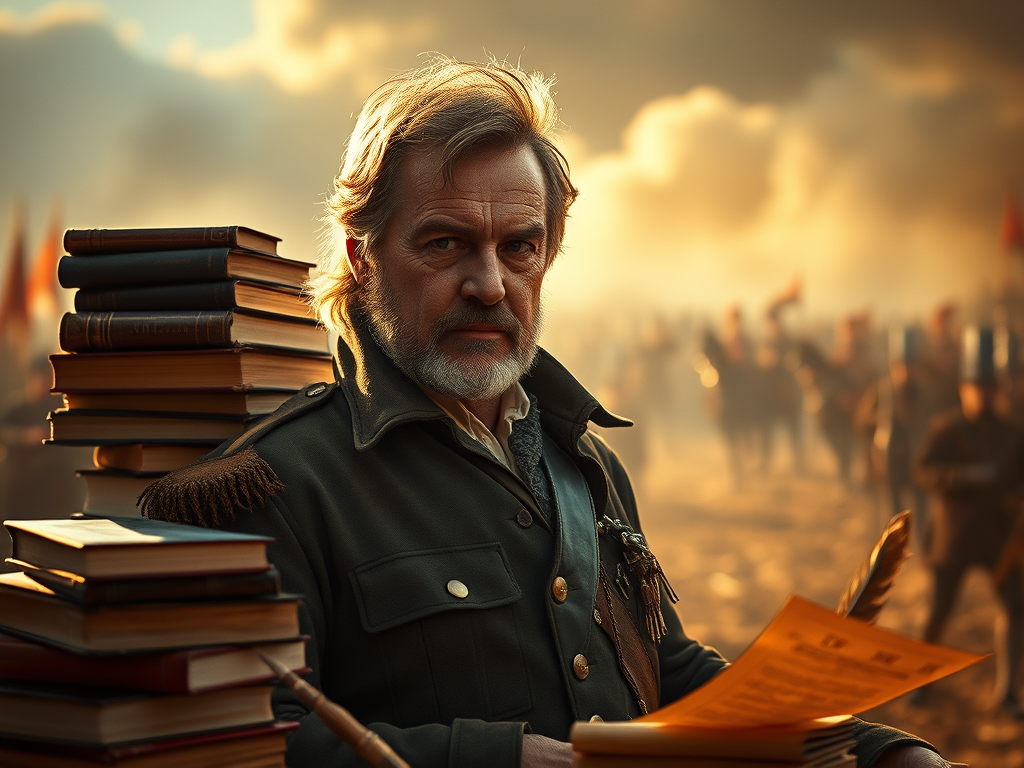
Bernard Cornwell is a British author known for his historical novels, notably his series of historical fiction novels set during the Napoleonic Wars featuring the character Richard Sharpe. Born on February 23, 1944, in London, England, Cornwell did not start writing novels until later. Before becoming an author, he worked as a teacher and television producer. His experiences as a teacher and interest in history influenced his decision to write historical fiction novels. Cornwell’s breakthrough came with publishing his first Richard Sharpe novel, “Sharpe’s Eagle,” in 1981. The Richard Sharpe series, which follows the adventures of a British soldier in the Napoleonic Wars, became immensely popular and established Cornwell as a leading author of historical fiction. In addition to the Sharpe series, Cornwell has written several other series and standalone novels set in various historical periods, including the Saxon Stories series (adapted into the TV series “The Last Kingdom”), the Warlord Chronicles, and the Grail Quest series.
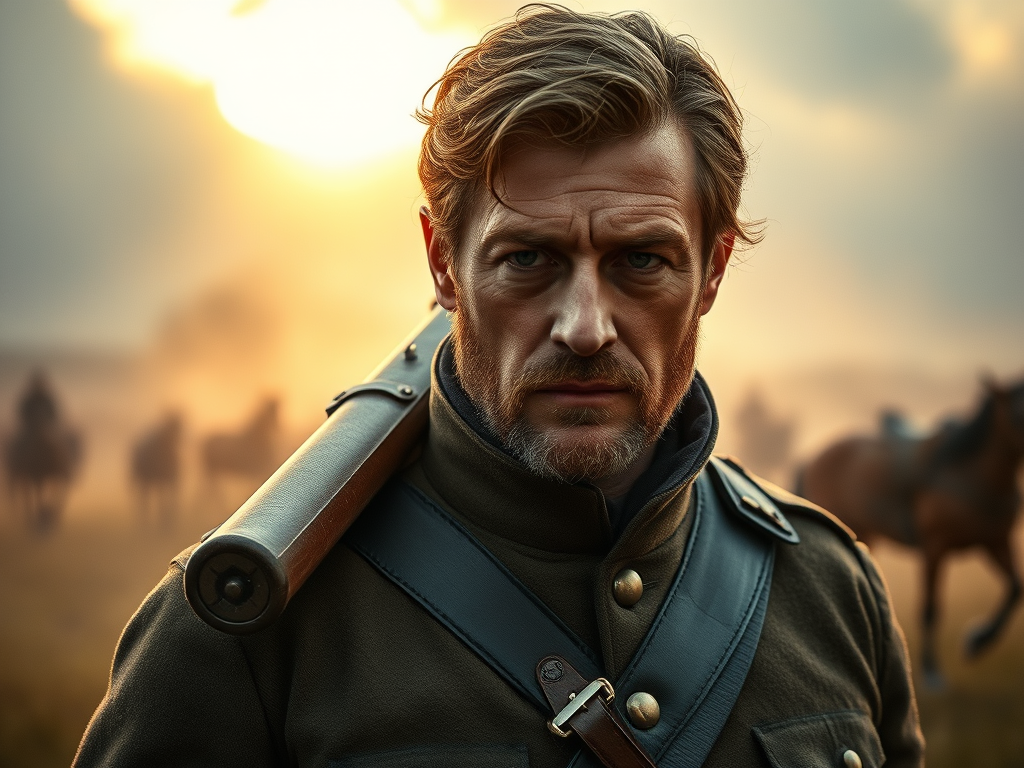
Bernard Cornwell’s novels are known for their meticulous research, engaging storytelling, and vivid depictions of historical events and battles. Over the course of his career, Cornwell has received numerous awards and accolades for his work, and his books have been translated into multiple languages and adapted for television and film.

Images by AI

Thomas De Quincey

De Quincey was born on August 15, 1785, and passed away on December 8, 1859. His most famous work, “Confessions of an English Opium-Eater,” is an autobiographical account of his opium addiction and its effects on his life. He also wrote numerous essays and articles on a wide range of subjects, including literature, philosophy, and social issues. De Quincey’s writing is characterized by its complex and elaborate prose style. He is known for his vivid descriptions, intricate sentence structures, and rich vocabulary.

He was a significant figure in the English Romantic movement, and his work influenced later writers such as Edgar Allan Poe and Charles Baudelaire. De Quincey led a tumultuous life marked by struggles with addiction, poverty, and personal loss. Despite these challenges, he continued to write prolifically throughout his life. Thomas De Quincey is remembered as a pioneering figure in English literature and a master of the English essay. His work continues to be studied and admired for its rich language and deep insights into the human condition.

Charles Dickens

The renowned English novelist Charles Dickens was born on February 7, 1812, in Portsmouth, England. He was one of the most popular and influential writers of the 19th century, known for his vivid characters and depiction of social issues in Victorian England. Dickens’ childhood was marked by financial struggles as his family faced poverty and debt. At the age of 12, he was forced to work in a factory to support his family after his father was imprisoned for debt. These early experiences profoundly influenced his later writings, as themes of poverty, social injustice, and the plight of the working class are prevalent in many of his novels.

Dickens began his writing career as a journalist and soon found success writing serialized novels. Some of his most famous works include “Oliver Twist,” “David Copperfield,” “A Christmas Carol,” “Great Expectations,” and “A Tale of Two Cities.” His works often featured colourful characters, intricate plots, and a keen eye for social commentary. Dickens was a prolific writer and a tireless social reformer. He advocated for better conditions for the poor and marginalized in society. His writing shed light on the injustices of his time and called for social change.

Charles Dickens passed away on June 9, 1870, leaving behind a rich literary legacy that continues to be celebrated and studied. His works remain popular and have been adapted into numerous films, plays, and other forms of media, ensuring that his influence endures in the world of literature. 

Image by AI

Rudyard Kipling

Rudyard Kipling was a renowned British author and poet who was born on December 30, 1865, in Bombay, India. He is best known for his fiction, including “The Jungle Book,” “Kim,” and “Just So Stories.”

Kipling spent his early childhood in India, where his father worked as a museum director and an art teacher. However, he was sent to England at six to receive his formal education. His time in England was marked by harsh treatment at the hands of his foster family, which left a lasting impact on him. Kipling worked as a journalist and writer in his adult life, producing poetry and short stories that often drew upon his experiences in India. His writing was known for its vivid descriptions of life in the British Empire and its exploration of themes such as colonialism, the relationship between the colonizer and the colonized, and the clash of cultures.

Kipling was awarded the Nobel Prize in Literature in 1907, becoming the first English-language writer to receive this honour. Despite his literary success, Kipling faced criticism for his views on imperialism and his perceived support for British colonialism. Rudyard Kipling died on January 18, 1936, in London, England. His work continues to be studied and admired for its rich storytelling, evocative language, and exploration of complex themes.

Image by AI

The Curious Dormouse

Once upon a time, in a lush, enchanted forest, there lived a curious dormouse. Oliver was known throughout the forest for his love of exploring and keen sense of adventure. He spent his days darting in and out of the underbrush, investigating every nook and cranny that caught his eye. One sunny morning, as Oliver was scurrying along a moss-covered path, he stumbled upon a clever and cunning fox named Freya. Freya was known for her sly wit and ability to outsmart even the most challenging situations. Intrigued by each other’s differences, Oliver and Freya struck up an unlikely friendship.

Despite their contrasting personalities, Oliver and Freya had much in common. They both shared a love for storytelling and a deep appreciation for the beauty of the forest surrounding them. As they spent more time together, they discovered that their unique strengths complemented each other perfectly. One day, while exploring a particularly dense part of the forest, Oliver and Freya stumbled upon a mysterious door hidden amongst the trees. The door seemed to lead to nowhere, but an air of mystery surrounding it piqued their curiosity. Determined to uncover the secrets of the door, Oliver and Freya embarked on a grand adventure together. With Oliver’s nimble paws and Freya’s sharp mind, they navigated through obstacles and challenges that stood in their way. Along the journey, they encountered magical creatures, solved riddles, and faced their fears together. When they finally reached the other side of the door, they were greeted by a breathtaking sight, a hidden meadow bathed in the warm glow of the setting sun. It was a place of peace and tranquillity, untouched by the chaos of the outside world. Oliver and Freya sat side by side, basking in the meadow’s beauty, grateful for the bond that had formed between them. They realized that sometimes, the most extraordinary adventures can be found in the most unexpected places and that true friendship knows no boundaries.

From that day on, Oliver and Freya continued to explore the wonders of the forest together, their friendship growing stronger with each passing day. And whenever they stumbled upon a new mystery or a hidden door, they faced it head-on, knowing that as long as they had each other, there was no challenge they couldn’t overcome. And so, the tale of the dormouse and the fox became a legend in the enchanted forest, a story of friendship, courage, and the magic of discovery that would be told for generations to come. 

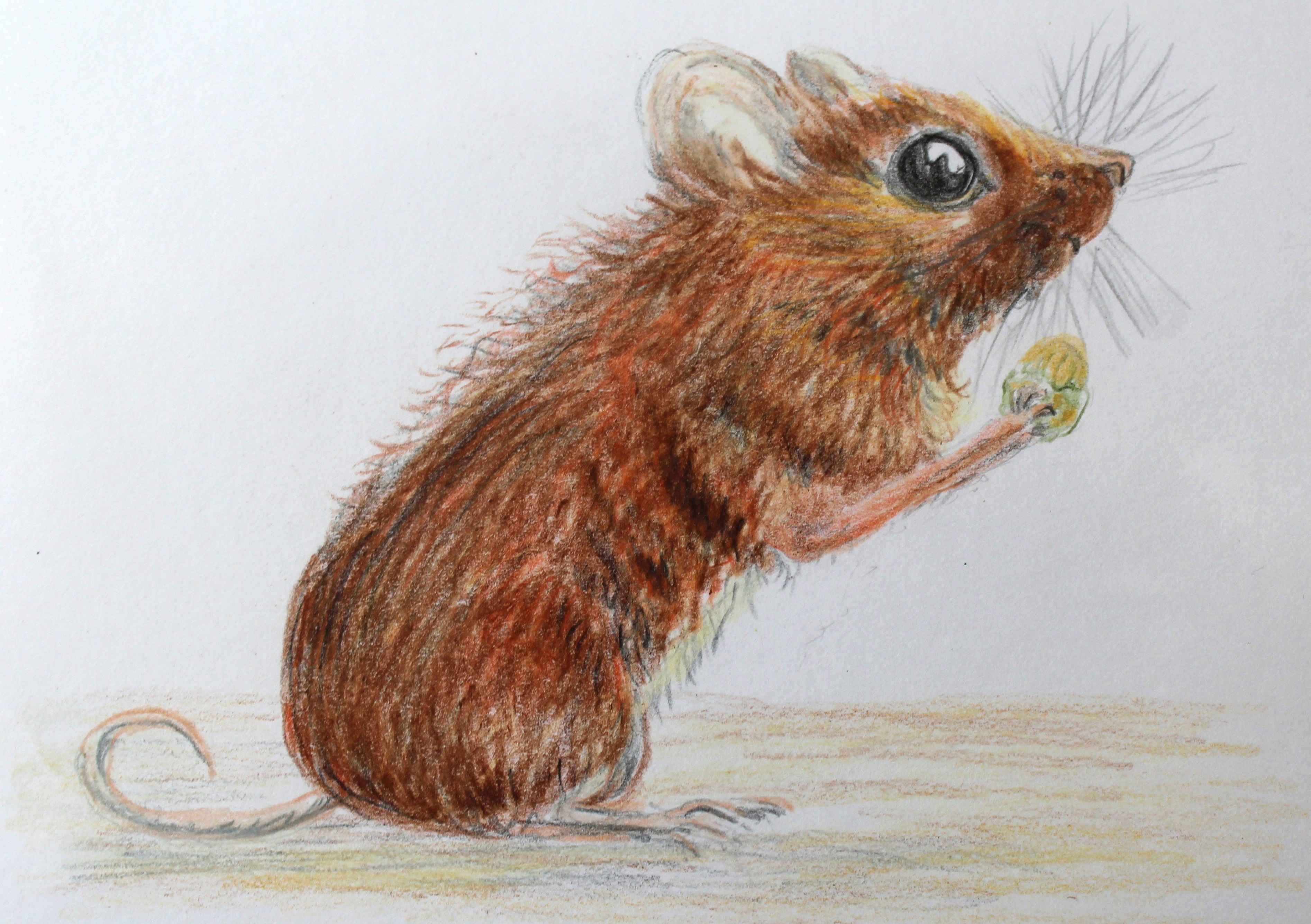
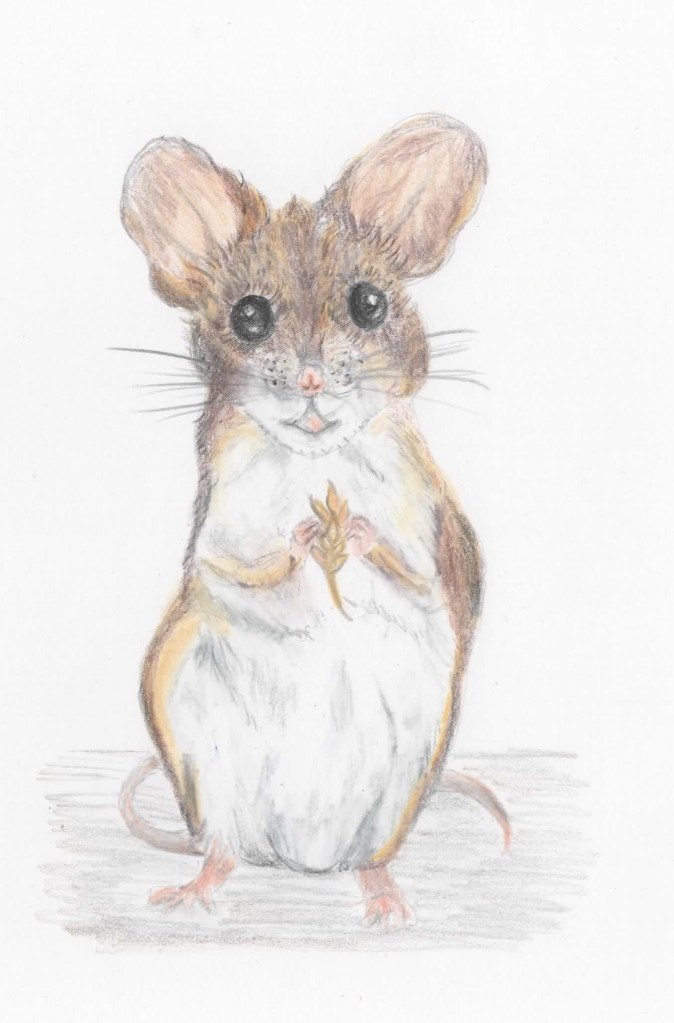
Dormouse Illustrations by http://www.debbieevesculpturesandillustrations.com