Geoffrey Chaucer

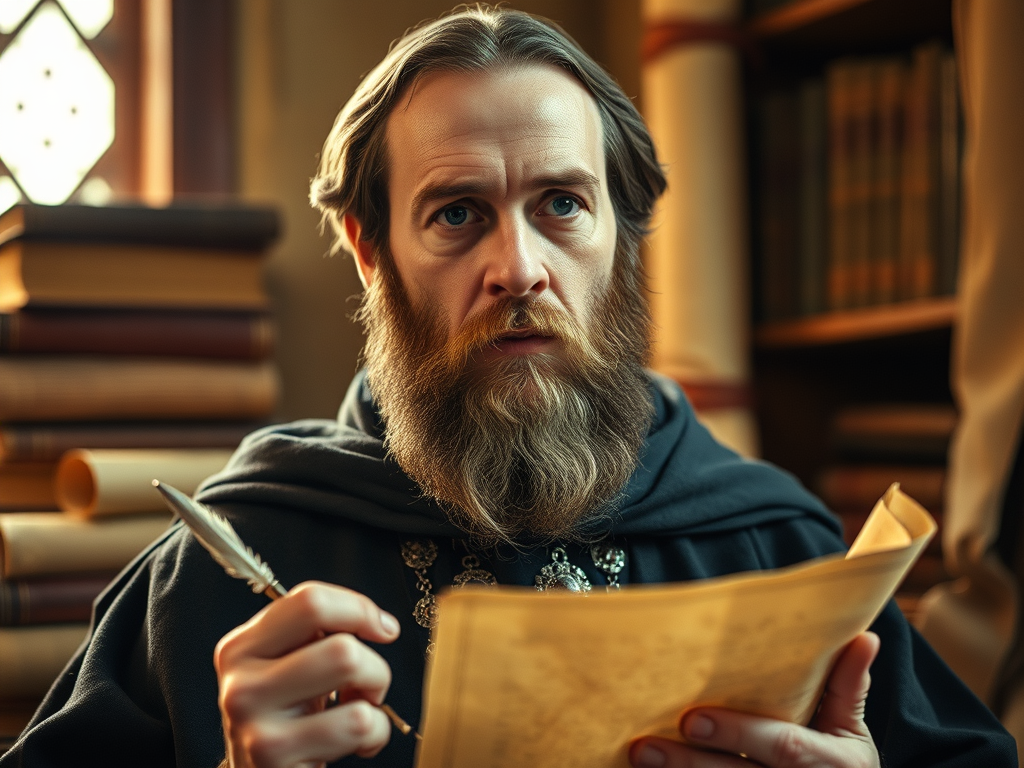
Geoffrey Chaucer was an English poet and author who is widely regarded as the greatest English poet of the Middle Ages. He is best known for his work “The Canterbury Tales,” a collection of stories written in Middle English considered one of the most important works of English literature. Born around 1343 in London, England, Chaucer came from a family of wine merchants and was well-educated. He served as a page in the household of Elizabeth, Countess of Ulster. Holding various positions in the royal court throughout his life exposed him to various experiences and people that influenced his writing. In addition to his work on “The Canterbury Tales,” Chaucer was also a diplomat and civil servant. He travelled to various European countries on diplomatic missions and held important government positions, including serving as a customs official and a justice of the peace.

His writing style was innovative for the time. He used English vernacular instead of the more traditional Latin or French. His writing often featured humour, satire, and social commentary, making him a popular and influential figure in English literature. Geoffrey Chaucer died in 1400 and was buried in Westminster Abbey in London. His work continues to be studied and celebrated for its literary merit and its insight into life and society in medieval England. 

Jean M. Auel

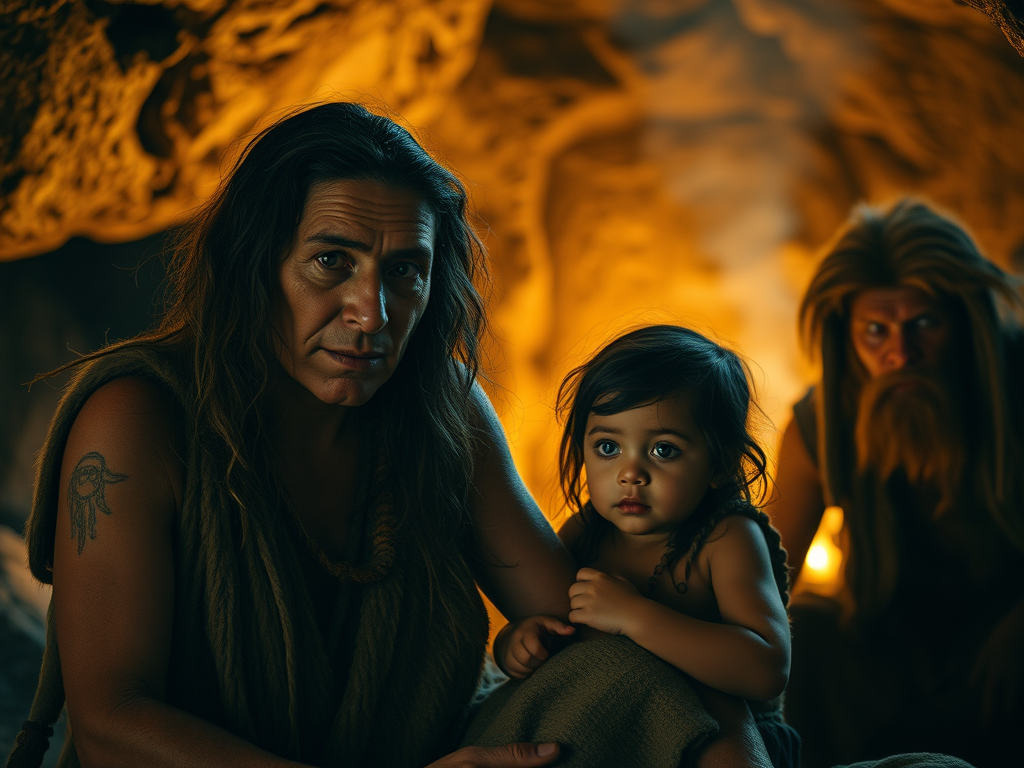
Jean M. Auel is an American writer known for her Earth’s Children series of novels, a prehistoric fiction series set in Europe during the Upper Paleolithic era. The series started with the publication of “The Clan of the Cave Bear” in 1980, which was a huge success and became a bestseller.

Jean Marie Auel was born on February 18, 1936, in Chicago, Illinois. She studied at the University of Portland and received her Bachelor of Arts degree in 1976. Before becoming a writer, she worked as a technical writer and a credit manager. After the success of her first novel, Auel continued the Earth’s Children series with several more books, including “The Valley of Horses,” “The Mammoth Hunters,” “The Plains of Passage,” “The Shelters of Stone,” and “The Land of Painted Caves.” Her novels are known for their detailed research into prehistoric times, including the flora, fauna, and cultures of the time. The series follows the life of a young Cro-Magnon woman named Ayla, who is raised by Neanderthals and must navigate the challenges of life in a prehistoric world.

Jean M. Auel’s books have been translated into numerous languages and have sold millions of copies worldwide. While she faced some criticism for the accuracy of her portrayals of prehistoric life, her novels have been praised for their imaginative storytelling and vivid depictions of ancient cultures. She passed away on March 28, 2019, at the age of 82. Her legacy lives on through her Earth’s Children series, which continues to captivate readers with its unique blend of historical research and compelling storytelling.

Bernard Cornwell

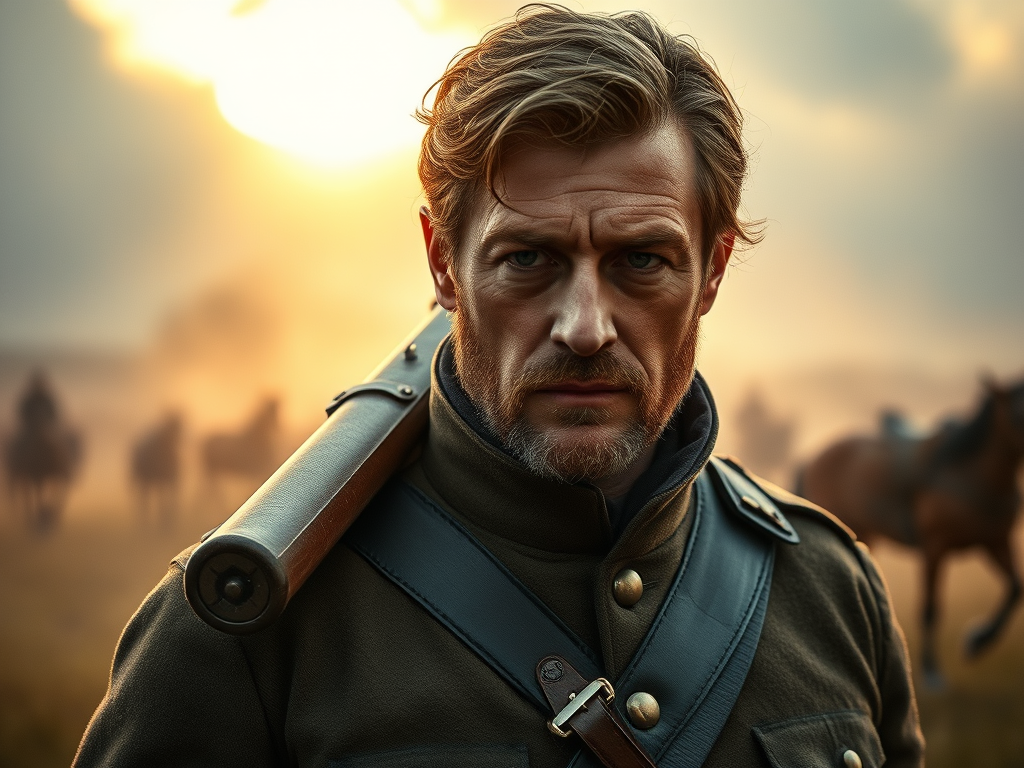
Bernard Cornwell is a British author known for his historical novels, notably his series of historical fiction novels set during the Napoleonic Wars featuring the character Richard Sharpe. Born on February 23, 1944, in London, England, Cornwell did not start writing novels until later. Before becoming an author, he worked as a teacher and television producer. His experiences as a teacher and interest in history influenced his decision to write historical fiction novels. Cornwell’s breakthrough came with publishing his first Richard Sharpe novel, “Sharpe’s Eagle,” in 1981. The Richard Sharpe series, which follows the adventures of a British soldier in the Napoleonic Wars, became immensely popular and established Cornwell as a leading author of historical fiction. In addition to the Sharpe series, Cornwell has written several other series and standalone novels set in various historical periods, including the Saxon Stories series (adapted into the TV series “The Last Kingdom”), the Warlord Chronicles, and the Grail Quest series.

Bernard Cornwell’s novels are known for their meticulous research, engaging storytelling, and vivid depictions of historical events and battles. Over the course of his career, Cornwell has received numerous awards and accolades for his work, and his books have been translated into multiple languages and adapted for television and film.

Images by AI

Thomas De Quincey

De Quincey was born on August 15, 1785, and passed away on December 8, 1859. His most famous work, “Confessions of an English Opium-Eater,” is an autobiographical account of his opium addiction and its effects on his life. He also wrote numerous essays and articles on a wide range of subjects, including literature, philosophy, and social issues. De Quincey’s writing is characterized by its complex and elaborate prose style. He is known for his vivid descriptions, intricate sentence structures, and rich vocabulary.

He was a significant figure in the English Romantic movement, and his work influenced later writers such as Edgar Allan Poe and Charles Baudelaire. De Quincey led a tumultuous life marked by struggles with addiction, poverty, and personal loss. Despite these challenges, he continued to write prolifically throughout his life. Thomas De Quincey is remembered as a pioneering figure in English literature and a master of the English essay. His work continues to be studied and admired for its rich language and deep insights into the human condition.

Well … We Can Dream

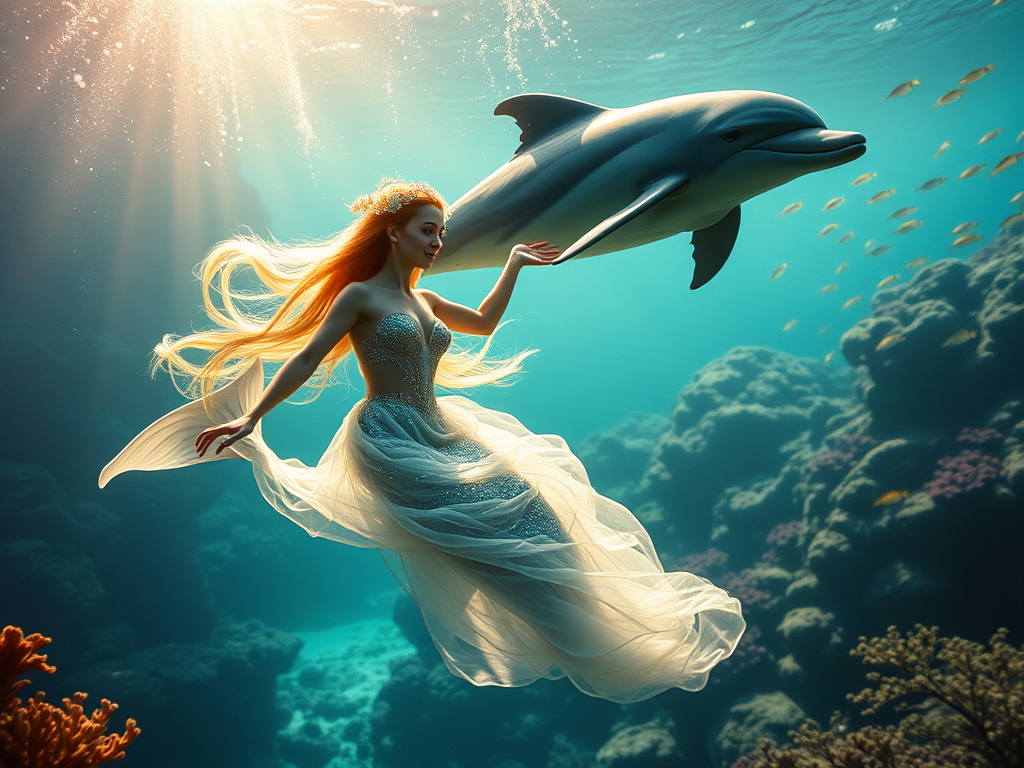
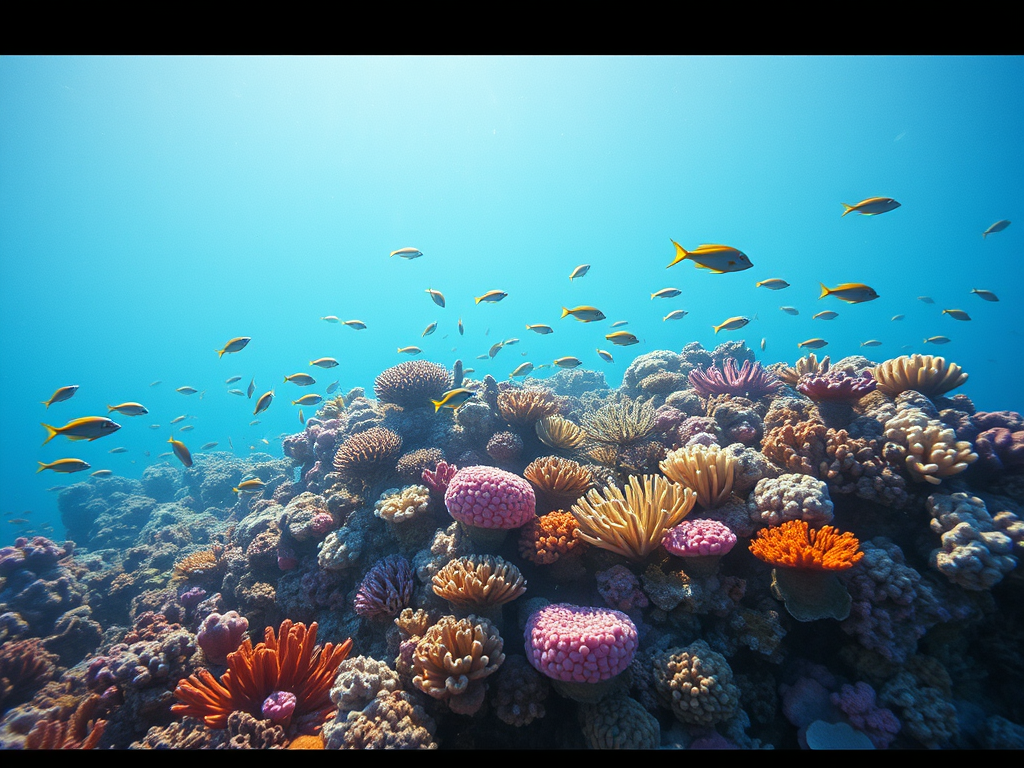
Once upon a time, in the depths of the vast ocean, there lived a kind and compassionate mermaid named Maria. Maria had long, flowing hair the colour of the ocean’s depths and eyes that sparkled like the sun reflecting off the waves. She spent her days swimming among the coral reefs, playing with the sea creatures, and admiring the beauty of her underwater world. One day, Maria noticed a troubling change in her beloved ocean. The waters had become murky, littered with trash and pollution. The once vibrant coral reefs were dying, and the sea creatures struggled to survive in the toxic environment.

Maria knew she had to do something to save her home. Determined to make a difference, Maria set out to rid the ocean of pollution. She swam tirelessly, collecting plastic bags, bottles, and other debris that humans had carelessly discarded. Maria’s resolve grew more assertive with each piece of trash she removed.


As word of Maria’s efforts spread throughout the ocean, other sea creatures joined her cause. Together, they formed a team dedicated to cleaning up the ocean and protecting its fragile ecosystem. Dolphins, sea turtles, and even some curious octopuses pitched in to help. Despite facing challenges and setbacks, Maria and her friends never gave up. They organized beach cleanups, educated humans about the importance of protecting the ocean, and worked tirelessly to restore the health of the underwater world they loved.


Maria and her friends made a significant impact through their hard work and determination. The ocean began to heal, the coral reefs flourished again, and the sea creatures thrived in their clean and vibrant home. Maria had become a hero to all who lived in the ocean, known far and wide as the mermaid who saved the sea. Her dedication and courage inspired others to take action and protect the environment for future generations. And so, thanks to Maria the Mermaid and her friends, the ocean remained a place of beauty and wonder for all to enjoy, a testament to the power of compassion and determination in the face of adversity.

Images by AI