Blinkyblurt – Santa’s Elf

Once upon a time, in the snowy village of Northpole, Santa’s workshop buzzed with excitement as Christmas approached. Among the busy elves, there was one little elf named Blinkyblurt. Unlike his fellow elves, who were swift and tidy in their tasks, Blinkyblurt had a knack for getting distracted. One chilly December day, as the elves were packing toys into colourful boxes, Blinkyblurt was assigned to wrap the most important gifts for the children on Santa’s nice list. He was determined to do a great job, but as he grabbed the shiny red wrapping paper, he noticed a glimmering snowflake outside the window.

“Oh, look at that!” he exclaimed, his eyes wide with wonder.

He rushed to the window, completely forgetting about his task. The snowflake danced in the wind, and Blinkyblurt was mesmerized. He watched as snowflakes twirled and swirled, sparkling in the winter sun. Minutes turned into hours, and soon, the workshop was buzzing with urgency.

“Where’s Blinkyblurt?” asked Jingle, the head elf, as he hurried around the workshop. “We need those gifts packed and ready for Santa!”

Realizing he was late, Blinkyblurt dashed back to his station, but the wrapping paper was tangled, and the ribbon rolls had rolled away. Panic set in as he fumbled with the supplies. The clock ticked down, and the other elves were already finishing their tasks.

“Blinkyblurt, hurry!” Jingle urged. “We can’t let Santa down!”

With a determined spirit, Blinkyblurt took a deep breath.

“I can do this!” he declared.

He remembered what he loved most about Christmas: the joy it brought to children. With that in mind, he focused and started wrapping the gifts with extra care. He wrapped each toy with love, adding little touches like hand-drawn tags and sprigs of holly. The more he wrapped, the more he felt the Christmas spirit filling his heart. The other elves, noticing his enthusiasm, began to help him, and together they made the most beautiful packages. By the time Santa’s sleigh was ready, Blinkyblurt and his friends had turned the pile of gifts into a dazzling display. Santa arrived, his eyes twinkling as he surveyed the work.

“Ho, ho, ho! These look marvellous!” he exclaimed. “I knew I could count on my elves!”

Blinkyblurt beamed with pride. He learned that while distractions could lead him astray, focusing on what truly mattered—bringing joy to children—made all the difference. From that day on, he still had moments of distraction, but he always remembered to get his heart back to the magic of Christmas. As Santa took off into the night sky, Blinkyblurt waved goodbye, knowing he had played a part in making the holiday special. And every Christmas after that, he kept his eyes on the prize: the smiles of children worldwide. 

Image by AI

Sylvia Plath

Sylvia Plath was an American poet, novelist, and short-story writer born in Boston, Massachusetts, on October 27, 1932. She is best known for her confessional style of writing, which explores themes of death, self-destruction, and the female experience. Sylvia Plath showed literary promise from a young age and began writing poetry as a child. She excelled academically and won a scholarship to Smith College in 1950. Plath studied at Smith College and later at Newnham College, Cambridge, on a Fulbright Scholarship. She struggled with depression during her college years, which would later influence her writing.

In 1956, Sylvia Plath married British poet Ted Hughes. The couple had two children, Frieda and Nicholas. Their marriage was tumultuous and ended in separation in 1962. Her poetry is known for its intense, personal subject matter and powerful imagery. The first poetry collection, “The Colossus,” was published in 1960. She is best known for her semi-autobiographical novel, “The Bell Jar,” published under a pseudonym in 1963.

Plath battled with depression and underwent electroconvulsive therapy. Her struggles with mental illness are reflected in her writing, particularly in her later works. She tragically died by suicide on February 11, 1963, at the age of 30. Her death came just a month after publishing “The Bell Jar” in the UK. Despite her short life, Sylvia Plath’s work has had a lasting impact on literature. She is regarded as one of the leading figures of confessional poetry and a critical voice in feminist literature. Her poetry collections, including “Ariel,” published posthumously in 1965, continue to be studied and admired for their depth and emotional power. Sylvia Plath’s writing continues to be celebrated and analyzed for its raw emotion, vivid imagery, and exploration of complex themes. Her legacy as a writer and poet remains influential in literature. 

Image by AI

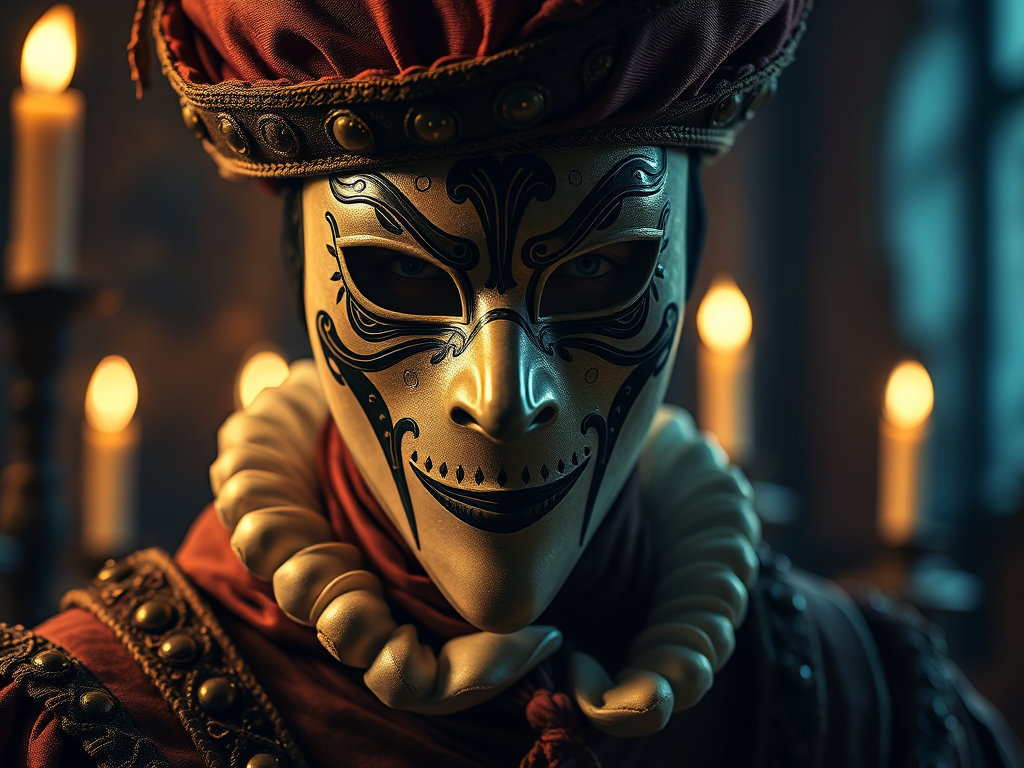
The Masked One

In a bustling medieval village surrounded by dense forests and majestic mountains, there lived a mysterious figure known only as the Masked One. This enigmatic persona was a source of fascination and fear as they moved silently through the cobblestone streets, always wearing a beautifully ornate mask that concealed their true identity. The mask was a masterpiece adorned with intricate designs, yet its purpose was to hide rather than reveal. The villagers were divided in their opinions about the Masked One. Some believed they were a nobleman in disguise, others feared they were sorcerers dabbling in dark arts, and a few even whispered that the mask concealed the face of a ghost seeking redemption. Despite the rumours, one thing was sure: the Masked One was a figure of mystery and intrigue.

Despite their anonymity, the Masked One was known for their acts of kindness. They would leave baskets of food on the doorsteps of the poor, offer coins to struggling families, and sometimes even provide medicine to the sick. These benevolent deeds earned them both admiration and suspicion. Villagers pondered why someone would be so generous yet hide behind a mask. Among those captivated by the Masked One’s allure was a young girl named Elara. Unlike others who feared the unknown, Elara was driven by curiosity and a desire to uncover the truth. She often watched the Masked One from a distance, fascinated by their quiet grace and the aura of mystery that surrounded them. One stormy night, as rain poured down and thunder rumbled in the distance, Elara decided to follow the Masked One. She watched as they moved with purpose through the village, eventually reaching the edge of the settlement where a secluded cottage stood, partially hidden by overgrown trees and vines. With her heart pounding, Elara crept closer, peering through a window to catch a glimpse inside.

What she saw astonished her. The Masked One, alone in the dimly lit room, slowly removed their mask. Beneath it was the face of Sir Cedric, a knight once renowned for his valour and honour. His face bore the marks of battle—scars that told tales of bravery and betrayal. Sir Cedric had been a hero, but after being wronged by those he trusted, he withdrew from the world, choosing to hide his identity behind the mask. Elara’s heart ached with compassion. She knocked softly on the cottage door, and when Sir Cedric opened it, he was taken aback to see the young girl standing there. Instead of fear or judgment, Elara offered kindness.

“You’ve helped so many,” she said, “but who helps you?”

At that moment, Sir Cedric realised that he had been isolating himself physically and emotionally. He invited Elara in and recounted his story—a tale of loyalty betrayed, battles lost, and the deep shame that had driven him to hide. The mask, he explained, was both his shield from the world and a prison of his own making. Moved by his story, Elara vowed to help Sir Cedric reclaim his place in the village. Together, they devised a plan to share his true identity and intentions with the townsfolk. Elara’s courage and Sir Cedric’s sincerity would be key to winning their trust. The following day, with Elara by his side, Sir Cedric returned to the village square, this time without his mask. The villagers gasped in surprise, recognizing the once-great knight they thought was lost to time. Sir Cedric spoke to them openly, sharing his story and the reasons behind his disguise. He expressed his desire to serve and protect the community once more, not as a masked stranger but as a friend and neighbour. At first, the villagers were hesitant, but Elara’s unwavering support and Sir Cedric’s genuine remorse and goodwill began to sway their hearts. They saw not a ghost or a villain but a man who had suffered and learned the true value of compassion and humility. Over time, Sir Cedric became a beloved protector of the village, respected not for his past glories but for his present kindness. The mask, which once symbolized fear and mystery, was transformed into a powerful reminder of redemption and the strength found in vulnerability. The tale of the face behind the mask became a cherished legend, teaching generations that true beauty lies not in appearances but in the courage to reveal one’s true self and the kindness that flows from an open heart. 

Image by AI

Harold Robbins

Harold Robbins (1916-1997) was an American author known for his novels that often depicted the lives of the rich, powerful, and famous. He was one of the best-selling authors of all time, with his books selling over 750 million copies worldwide. Robbins was born in New York City and had a difficult childhood, growing up in poverty. He worked various jobs before finding success as a novelist. His first novel, “Never Love a Stranger,” was published in 1948 and was a commercial success.

Throughout his career, Robbins wrote over 25 novels, many of which were bestsellers. Some of his most famous works include “The Carpetbaggers,” “A Stone for Danny Fisher,” “The Betsy,” and “79 Park Avenue.” His books often featured themes of sex, power, money, and ambition. Critics frequently dismissed Robbins’ work as sensational and melodramatic, but readers were drawn to his fast-paced storytelling and larger-than-life characters. Despite the criticism, Robbins’ books were incredibly popular and adapted into several films and television series. Harold Robbins’ influence on popular culture and the literary world is undeniable. His novels have entertained millions of readers worldwide. 

Image by AI

Max and the Panther

Once upon a time, in a peaceful village nestled among rolling hills, lived a brave dog named Max. Max was a loyal sheepdog known for his intelligence and courage. Every day, he would accompany his owner, Farmer Joe, as they tended to their flock of fluffy sheep, ensuring they grazed safely in the lush meadows. A shadow darted between the trees one sunny afternoon as Max and the sheep roamed near the forest’s edge. It was a sleek panther, hungry and stealthy, watching the sheep with keen eyes. Max sensed danger immediately. The panther was known for its cunning; the sheep would be in grave peril if it got too close.

Max barked loudly, his voice echoing through the valley. The sheep lifted their heads, bleating nervously as they sensed something was amiss. Hearing Max’s urgent calls, Farmer Joe rushed to the meadow, but he was too far away to warn the sheep in time. With a heart full of determination, Max sprinted towards the panther. He knew he had to protect his flock. As he approached, the panther turned its attention to him, its eyes narrowing. Max stood tall, growling fiercely, ready to defend his friends. Surprised by the dog’s bravery, the panther hesitated momentarily. Seizing the opportunity, Max charged at the panther, barking loudly. The sound was fierce and full of authority, echoing through the trees. Realizing it was outmatched by Max’s courage and fierce loyalty, the panther turned and fled back into the forest’s shadows.

Max chased after it for a short distance, ensuring it would not return. Once satisfied that the threat had passed, he raced back to the flock, where Farmer Joe stood wide-eyed with admiration. Realizing they were safe, the sheep gathered around Max, nuzzling him affectionately. Farmer Joe knelt down and patted Max on the head.

“You’ve saved the day, my brave friend!” he said, his voice filled with pride.

From that day on, Max was not just a sheepdog; he was a hero in the eyes of the villagers. The story of Max’s bravery spread across the village and beyond, reminding everyone that true courage can come in all shapes and sizes. And as for Max, he continued to watch over his sheep, always ready to protect them from any danger that might come their way. 

Image by AI