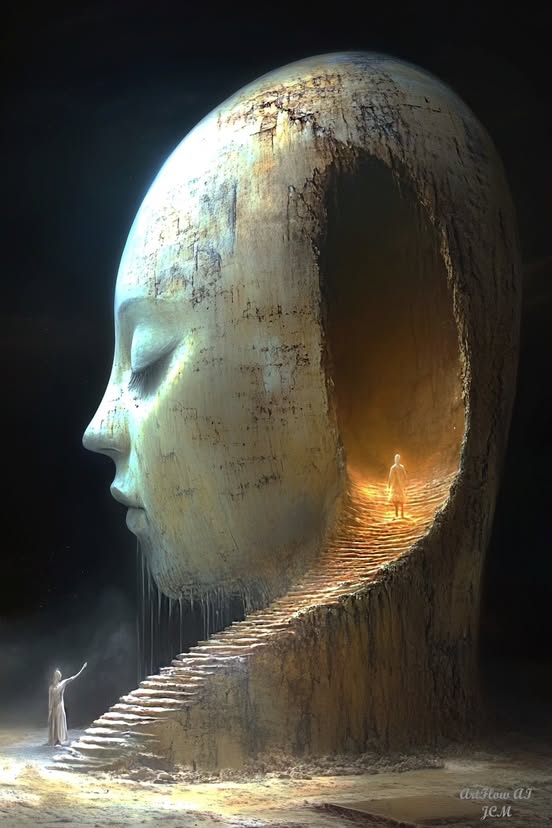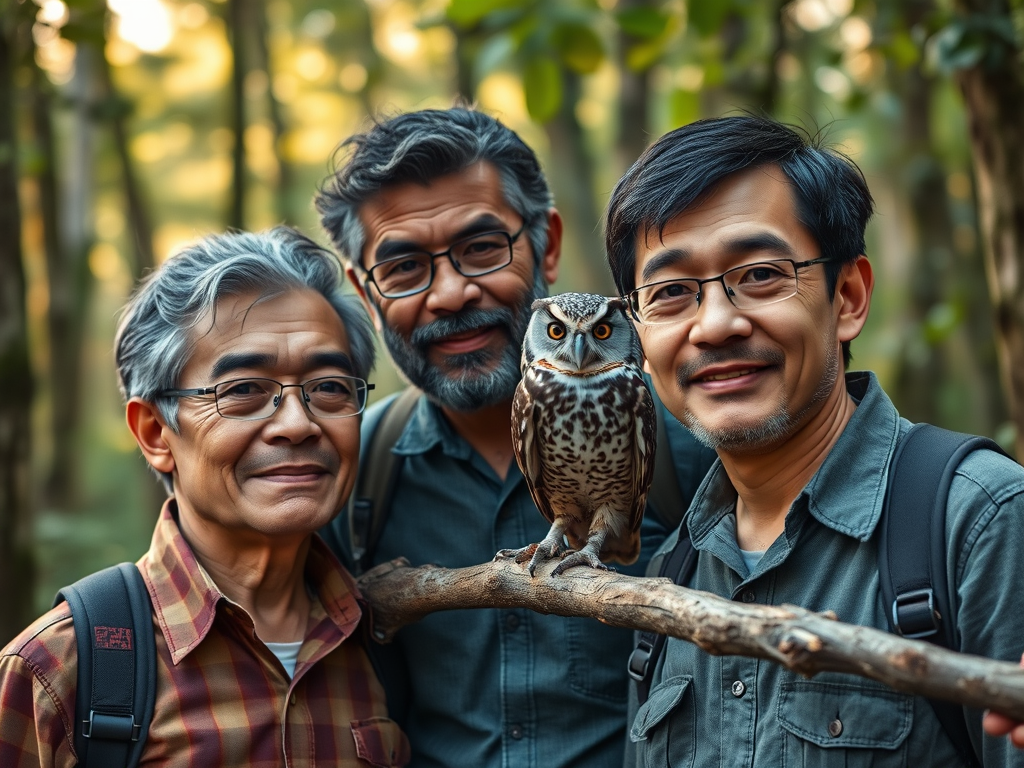
The Lens of Obsession

In a secluded laboratory nestled deep within the foggy outskirts of the city, Dr Evelyn Harper was known as a mad scientist—an eccentric genius whose obsession with microscopes bordered on neurosis. Her cluttered workspace was filled with dozens of microscopes, each more bizarre and intricate than the last, some antique, some futuristic, all meticulously maintained. As a child and later at university, her mind could absorb masses of information, ensuring academic attainment and success. Meticulous note-taking and attention to detail created a wealth of knowledge. Evelyn had read in excess of two thousand textbooks, written many research papers and attained two PhDs before reaching twenty-five. There was no time in her life for boyfriends or partying like her fellow students. Study, work, sleep, study, work, sleep, this was Evelyn’s chosen path and life. She was what can only be defined as driven, driven by a desire to achieve something capable of changing the world. Colleagues found her difficult, often withdrawn, and obsessed.   

Evelyn had dedicated her life to unravelling the secrets hidden within the tiniest particles of life. She studied cancer cells under her microscopes for years, peering into their chaotic, destructive world. Most dismissed her as overzealous, even unstable, but Evelyn believed that the key to curing the disease that had claimed her mother lay within these minuscule worlds. Her obsession grew intense. She spent sleepless nights adjusting lenses, tinkering with lighting, and testing countless chemical compounds. Her neighbours whispered tales of her madness, but Evelyn cared little. Her microscopes became a window into the universe, and the obsession was driven by expectation and hope.

One stormy night, as lightning crackled outside, Evelyn observed a peculiar pattern in the cancer cells she had been studying for months. A rare, almost imperceptible fluctuation in the cell’s behaviour caught her eye. She focused her most powerful microscope on the anomaly, her hands trembling with anticipation. Suddenly, she saw it—the secret to halting the cancer’s progression. A tiny, unseen particle was disrupting the cells’ ability to multiply. A molecule, a fragment of something unseen before, seemed to interfere with the cancer’s growth mechanisms. Evelyn worked tirelessly, synthesising compounds based on her observations. Weeks turned into months, and her obsession intensified. She tested her new formula on lab models, and the results were astonishing: the cancer cells stopped dividing altogether.

Her discovery spread like wildfire, from her isolated lab to the world. The scientific community was sceptical initially, but with rigorous testing, Evelyn’s cure proved effective in human trials. Her obsession had unlocked a new era in cancer treatment. Evelyn Harper, once dismissed as a madwoman, became a hero. Her relentless obsession with microscopes and the tiniest details led to one of the greatest medical breakthroughs in history. She had shown that sometimes, madness is just another form of genius—focused, unwavering, and driven by an unshakable hope. And from that day forward, her microscopes sat in museums and laboratories, silent witnesses to the madness that changed the world.

The Dawn of Tim McDo

In a quiet town, lived a man named Tim McDo. His days were filled with solitude, his only companions the memories of a life once vibrant and full of promise. Tim had always been a gentle soul, but an accident—an unforgiving twist of fate—left him broken and lost, both physically and emotionally. The accident had stolen much from him: his mobility, his independence, and a part of his spirit. Tim dwelled in shadows for months, believing that life’s beauty had forsaken him. His world had shrunk to the stark walls of his small apartment, where he felt invisible, a ghost of the man he used to be. But life, as it often does, has a way of whispering hope when least expected.

One spring morning, as the sun shone golden light through his window, Tim noticed a small sprout pushing through the crack in his balcony. It was fragile, yet resilient, a tiny green miracle defying the odds. Something stirred within him—a faint flicker of curiosity and wonder. With cautious steps, Tim began nurturing the sprout. He watered it and watched over it, and slowly, it grew. As the days passed, he found himself venturing outside more often, walking with a cane but feeling lighter, as if the world was inviting him back into its embrace.

One day, while tending to his garden, Tim met Lily, a woman with a gentle smile and eyes that reflected understanding and kindness. She was a gardener, drawn to the same patches of earth that Tim now cherished. Their conversations blossomed like the flowers around them, filled with stories of resilience, hope, and the simple joys of nature. Lily saw beyond Tim’s scars and struggles. She saw the man beneath the pain—a soul capable of love, beauty, and rebirth. Their bond deepened, rooted in shared moments and mutual care. Over time, Tim discovered that his accident had not only changed his body but had also awakened a new perspective on life. He realised that true beauty and love often bloom from the hardest of soils, from the cracks where hope still whispers.

Ultimately, Tim’s journey was not just about healing his body but about rediscovering the love and beauty that had always been within him—and around him—waiting to be reborn. And so, under the same sun that once cast shadows, Tim McDo found his dawn, shining brighter than ever, proof that even after the darkest night, a new day begins.

The Last Healer

Once, there was a doctor named Elia, whose heart was filled with an unquenchable desire to heal. From the smallest child with a fever to the most grievous of wounds, he dedicated his life to saving others. His clinic was a sanctuary where hope blossomed amidst despair, and his hands never hesitated to reach out in compassion. As years passed, a mysterious plague spread across the world—an unseen enemy that spared no one. Elia worked tirelessly, day and night, pouring his energy into finding a cure. His efforts were relentless; he sacrificed sleep, comfort, and his own well-being, determined to stem the tide of suffering.

Slowly, the world grew emptier. Patients dwindled as the disease claimed more lives. Governments and hospitals fell silent, their staff succumbing or fleeing in despair. Elias, driven by love for humanity, persisted even when it seemed hopeless. Yet, despite his best efforts, the disease was relentless. One by one, those around him fell silent—friends, colleagues, patients—all gone. Eventually, Elia found himself alone in a world that had turned cold and silent. The streets were deserted, and the voices of the sick and suffering had faded into a haunting silence.

Elia realised the tragic truth in his solitude: in his unwavering pursuit of saving everyone, he had overlooked the cost. His relentless hope had become a lonely vigil—an act of love that ultimately left him isolated. Now, the last healer standing amidst a silent world, Elia sat in his empty clinic, his heart heavy with grief and longing. He had saved many, but at the cost of his own humanity. In the end, he understood that even the greatest healer could not mend a world that had lost its soul.

Mira – Mistress of Dragons

Once upon a time, a wise and gentle woman named Mira lived in a peaceful valley cradled by towering trees and shimmering streams. Her silver hair flowed softly down her shoulders, and her kind eyes sparkled with the warmth of countless stories. Every evening, as the stars twinkled overhead, Mira would sit on a mossy stone, surrounded by a circle of tiny, curious baby dragons. These little dragons, with their shiny emerald, sapphire, and ruby scales, loved nothing more than listening to Mira’s stories. They would nestle close, their tiny wings fluttering excitedly as she opened her well-worn, leather-bound book.

“Tonight,” Mira began, her voice soft and soothing like a lullaby, “I will tell you the story of the Moonlit Blossom.”

The dragons’ eyes gleamed with anticipation. They adored tales of enchanted flowers and magical forests, especially when the flowers glowed under the full moon’s light. As Mira read, her voice danced through the evening air, describing a rare flower that blossomed only once a year, bathed in silver moonlight, spreading its gentle glow across the woods. She paused to gesture with her hands, mimicking the shimmering petals and the soft light, making the tiny dragons’ tails twitch with delight.

“Did you know,” she whispered, “this flower’s light can guide lost travellers home, just like a star in the night sky?”

The baby dragons giggled, their tiny voices like bubbling streams. They loved hearing how magic could be found in the smallest things. Mira gently turned the page, her eyes twinkling.

“And just like this blossom, each of you has a special light inside. You might glow so brightly one day that everyone will see your kindness and courage.”

The little dragons snuggled closer, feeling the warmth of her words and the magic woven into the story. Mira closed the book softly and leaned in closer.

“Remember, my dear ones, stories are the stars that guide us, the fires that warm us, and the wings that carry us to wondrous places.”

As the night deepened and the moon cast a silver glow over the valley, the baby dragons drifted into peaceful dreams, their hearts filled with hope and the magic of stories. Mira watched over them with a gentle smile, knowing that her tales would light their way for many nights to come. And so, beneath the watchful eyes of the moon and stars, the wise old woman’s stories continued to weave their magic, kindling dreams and nurturing the spirits of all who listened, young and old alike.

The Hermit of Dan yr Ogof

Many years ago, a man named Idris lived in the mist-shrouded valleys of Wales. Once a scholar in a bustling town, he was known for his insatiable curiosity and love of knowledge. But as the years passed, the noise of society, daily life’s clamour, and worldly burdens grew too heavy for him. Seeking solace and clarity, Idris made a decision that would forever change his destiny: he would retreat into the earth itself. He journeyed to the legendary caves of Dan yr Ogof, a vast underground labyrinth known for its otherworldly beauty and ancient mysteries. The caves, carved by centuries of water and time, stretched deep beneath the Welsh mountains—an endless maze of chambers, tunnels, and echoing halls. In the silence, Idris found what he sought: a place untouched by the chaos of the outside world.

He descended into the darkness, carrying only a small pack of provisions, a journal, and simple tools. Over time, he carved out a modest dwelling in a hidden corner of the cavern, where stalactites hung like frozen chandeliers above him, and the cold stone walls bore silent witness to his solitude. In the beginning, life in the caves was harsh. He learned to navigate the labyrinthine tunnels and listen to the subtle sounds of dripping water and shifting stones. He discovered underground springs that provided fresh water and fashioned lamps from moss and oil. He became attuned to the cave’s quiet rhythms, finding comfort in the perpetual darkness and the rhythm of his own breathing.

Idris’s only companions were the bats that flitted through the chambers at dusk, and the whispering echoes that seemed to carry voices from the distant past. To pass the endless days, he kept a journal, writing poetry, recording his observations, and contemplating the nature of existence. His thoughts grew deep and contemplative, and he began to see the caves as a mirror of the soul—a place of profound silence where true understanding could be found. Over the years, tales of the mysterious hermit spread among the villagers. Some believed he was a sage who had achieved enlightenment; others thought he was cursed, trapped forever in the depths. Children dared each other to approach the cave entrance and leave small offerings of herbs, coins, or candles, hoping to gain his blessing or wisdom.

One winter, a terrible storm struck the region. Torrential rains and fierce winds caused flooding and landslides, trapping a group of spelunkers and local villagers inside the caves. Panic grew as hope dwindled, and rescue seemed impossible. But Idris, sensing their peril, ventured out into the treacherous storm. Guided by his intimate knowledge of the tunnels and his intuitive sense of the underground landscape, he navigated the labyrinth’s dark corridors, calling out to the trapped explorers. His voice echoed through the chambers, steady and reassuring. Using his understanding of the cave’s subtle signs, he guided the stranded group through flooded passages and collapsing tunnels, safely back to the surface.

When they emerged, exhausted but alive, the villagers saw Idris in a new light. No longer simply a mysterious recluse, he was a guardian of the underground secrets, a protector who had braved the darkness to save others. As decades passed, Idris’s legend grew. Some believed he was a spirit of the caves, others thought he possessed otherworldly wisdom. He continued to live in the underground world, visiting the surface only when necessary. His days were spent in silent meditation, his nights in contemplative prayer, and his spirit deeply connected to the subterranean realm. Eventually, age caught up with him. His once dark hair turned white, and his eyes shone with the clarity of someone who had seen beyond the veil of ordinary life. Knowing his time was near, Idris made a final journey out of the caves, emerging into the sunlight one last time. His presence was gentle but commanding, his face marked by the serenity of a life lived in harmony with the silent depths. He returned to the village, but he was forever changed. He shared stories of the caves—of the beauty found in silence, the patience required to listen deeply, and the mysteries beneath the world’s surface. His words inspired many to seek quiet places of reflection and understanding. In the years that followed, Idris disappeared into the mists of legend. Some say he returned to the depths of Dan yr Ogof, becoming one with the caves he loved so dearly. Others believe he became a guardian spirit, watching over the mountains and guiding those who seek truth in silence. And so, the story of the Hermit of Dan yr Ogof endures—a tale of solitude, wisdom, and the profound peace that can be found when one listens to the quiet voice of the earth beneath our feet.