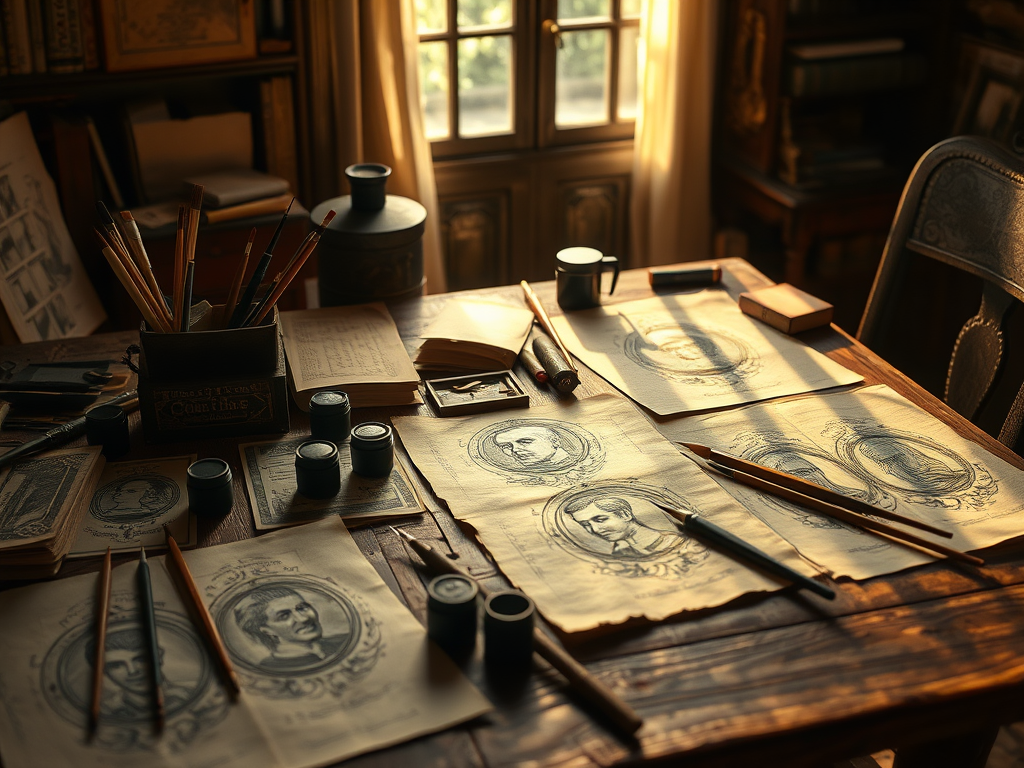
William Blake (1757-1827) was an English poet, painter, and printmaker now considered one of the most significant figures of English literature. Born on November 28, 1757, in London, England, he showed an early talent for drawing and poetry and was encouraged by his parents to nurture his creative skills. Blake was a visionary artist who created his own unique mythology and symbolism in his art. He was known for his intricate and imaginative illustrations, often combining text and images. He is widely recognized for his poetry, which frequently explored themes of spirituality, imagination, and social injustice. Some of his most famous works include “Songs of Innocence and Experience,” “The Marriage of Heaven and Hell,” and “The Tyger.”
Blake’s work was deeply influenced by his spiritual beliefs, which combined elements of Christianity, mysticism, and a rejection of conventional organized religion. He believed in the power of the imagination and the importance of creativity and art in understanding the world. As a skilled printmaker, he developed his own unique method of printing, known as relief etching, which allowed him to combine text and images on the same plate. This technique gave him greater artistic freedom and control over the production of his work. Although Blake was not widely recognized during his lifetime, he has since come to be regarded as one of the most influential figures in English literature and art. His work has influenced countless artists and writers, and his ideas about creativity, imagination, and spirituality continue to resonate today. Overall, William Blake’s life and achievements reflect his unique vision and creativity, as well as his deep engagement with his time’s spiritual and philosophical questions.
 Lazarus Carpenter - Author