
Once upon a time, in a peaceful village, lived three brothers: Eli, Malrik, and Joran. They were born of the same parents but grew up with very different hearts. Eli, the eldest, was kind and compassionate and always sought to help others. He believed in kindness and fairness, and his gentle nature made him beloved by many. Malrik, the middle brother, was cunning and ambitious, but his heart was often clouded with greed and anger. He loved power and was not afraid to use deceit to get what he wanted. Joran, the youngest, was indifferent to everything. He cared little for rules, others’ feelings, or ambitions. He wandered through life without much thought or concern, often detached from the conflicts around him. As they grew older, their differences caused strife. Eli would try to mediate disputes, but Malrik’s schemes frequently led to misunderstandings. Indifferent to these disputes, Joran simply watched from the sidelines, often alienating himself further.
One day, their village faced a crisis—an ancient, enchanted forest nearby began to wither, threatening their homes and livelihoods. The village elders called upon the three brothers to find a solution. Eli believed they should seek the wisdom of the forest spirits and restore the balance with kindness. Malrik saw an opportunity to exploit the situation for personal gain, perhaps to claim the forest’s treasures. Joran shrugged, uninterested, hoping it would pass without his involvement.
Despite their differences, the brothers set out together, each driven by their own motivations. Eli’s journey was filled with compassion. He helped injured animals, listened to the whispers of the trees, and sought harmony. He believed that love and understanding could heal the forest. Malrik’s path was marked by cunning—tricking creatures, exploiting resources, and seeking shortcuts to quick success. Joran, meanwhile, wandered aimlessly, often indifferent to the dangers and lessons around him, only following when it suited him.
As they travelled deeper into the forest, they faced challenges that tested their hearts. Eli encountered a wounded phoenix and nursed it back to health, learning that restoring nature required patience and love. Malrik was tempted by a treasure hidden beneath a cursed tree, but realised that greed could bring ruin. Lost in the woods, Joran finally saw the beauty of the world around him—the songs of birds, the glow of fireflies—and felt a flicker of curiosity.
One night, they camped beneath a shimmering starry sky, and their differences came to the surface in a heated argument. Eli urged kindness, Malrik pushed for cunning, and Joran dismissed their concerns altogether. But in that moment, a wise old owl appeared and spoke:
“Only when you learn to listen to each other can you find the true path.”
Realising the importance of unity, the brothers decided to work together. Eli suggested they combine their strengths: kindness, cunning, and curiosity. They returned to the forest, where Eli’s compassion healed the land, Malrik’s cleverness uncovered the source of the curse, and Joran’s indifference transformed into genuine interest as he saw the forest’s beauty. Through their combined efforts, the enchanted forest was restored, its magic renewed. The village prospered once more, and the brothers discovered something profound: Love and understanding are the most incredible powers, capable of transforming discord into harmony.
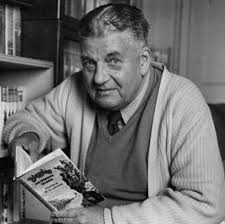


 Lazarus Carpenter - Author