In the heart of a vast mountain range, where the sun kissed the peaks every morning, and the wind whispered ancient secrets through the valleys, there lived an eagle unlike any other. This majestic bird was known far and wide as Aurelius, the Ancient One. With wings that spanned the sky and eyes that held the wisdom of centuries, Aurelius soared high above the world, watching over all who dwelled below. For countless generations, Aurelius witnessed the rise and fall of civilizations, the shifting of continents, and the changing of the stars. He saw the beauty of the earth blossom like a flower in spring and watched in sorrow as mankind’s greed and ignorance scarred the land and poisoned the air.
One fateful day, as the sun dipped low on the horizon and the world held its breath in anticipation of twilight, Aurelius descended from his lofty perch and alighted upon a great stone in the heart of a lush forest. His eyes blazed with a fierce light as he spoke, his voice a rumble like distant thunder.
“Children of Earth,” he began, his words echoing through the trees like the song of the wind, “I have seen the shadows that gather on the horizon, the tremors that ripple through the very bones of this world. A great upheaval approaches, a cataclysm that will shake the very foundations of your existence.”
The gathered forest animals and humans listened in wide-eyed silence, their hearts heavy with foreboding. Aurelius continued, his voice filled with a solemn urgency.
“You have ravaged the earth, plundered her riches, and desecrated her sanctuaries. You have forgotten the sacred bond that connects all living things, and in your blindness, you have sown the seeds of your own destruction. Unless you mend your ways, heed the cries of the earth and mend the wounds you have inflicted, a great disaster awaits you. The earth will rise in fury, and you will be cast aside like dust in a storm.”
The animals shivered at his words, feeling the weight of his warning pressing down upon them like a heavy stone. But even as fear gripped their hearts, a glimmer of hope sparked in their eyes.
“Is there no salvation?” they cried, their voices rising in desperation.
Aurelius fixed them with a piercing gaze, his eyes alight with ancient fire.
“There is always hope,” he said, his voice softening like the gentle caress of a breeze. “If you listen to the wisdom of the earth, if you cherish her gifts and honour her spirit, you may yet avert the disaster that looms on the horizon. The choice is yours, children of Earth. Choose wisely, for the fate of all rests in your hands.”
With those words, Aurelius spread his wings and soared back into the sky, leaving the humans and animals alike to ponder his warning in the fading light of evening. And as the stars blinked into being overhead, a new resolve took root in their hearts, a determination to protect the earth and all her creatures from the looming threat. And so, under the watchful gaze of the ancient eagle, the animals and people of the forest vowed to stand as guardians of the earth, to cherish her beauty and safeguard her treasures for generations yet unborn. And though the shadow of disaster still hung over the world like a dark cloud, a glimmer of hope shone in the eyes of all who heard Aurelius’
Once upon a time, a man named Marcus lived in the prosperous kingdom of Doria. Marcus was a kind and noble soul known throughout the land for his courage, wisdom, and unwavering dedication to the kingdom. He was a skilled warrior, a trusted advisor, and a beloved friend to all who knew him. Marcus was born into a noble family with a long lineage of kings and queens. However, fate had a different path in store for him. Despite his royal blood, Marcus would never ascend to the throne. The kingdom’s laws dictated that only the firstborn son of the reigning monarch could inherit the crown, and Marcus was not that son.
Many in the kingdom saw this as a significant loss. Marcus possessed all the qualities of a great leader, integrity, compassion, and strength of character. He deeply understood the people’s needs and envisioned a brighter future for Doria. But despite his qualifications, he could never be king. Instead, Marcus dedicated his life to serving the kingdom in other ways. He became a trusted advisor to the king, offering counsel and guidance in times of peace and war. He led the kingdom’s armies to victory in battles against invaders and defended the realm against threats from within and without.
Marcus’s loyalty and selflessness endeared him to the people of Doria even more than if he had worn the crown. He was a beacon of hope in times of darkness and a pillar of strength in times of uncertainty. The kingdom flourished under his leadership even though he would never be king. In the end, Marcus’s legacy was not one of titles or crowns but of love and service. He showed the people of Doria that true greatness is not measured by the position one holds, but by the impact one has on the lives of others. And so, despite his lineage, Marcus would always be remembered as a king in the hearts of the people he served.
Fyodor Dostoevsky, a renowned Russian novelist, philosopher, and essayist who lived from 1821 to 1881, is considered one of the greatest psychological novelists in world literature. His works often explored human psychology, morality, and the complexities of the human soul. Dostoevsky was born on November 11, 1821, in Moscow, Russia. He came from a middle-class family and was raised in a strict religious environment. After studying engineering, he decided to pursue a career in writing. His early works were well-received, but his later novels brought international acclaim.
Dostoevsky’s most famous works include “Crime and Punishment,” “The Brothers Karamazov,” “The Idiot,” and “Demons” (also known as “The Possessed”). These novels delve into themes such as morality, redemption, faith, and the nature of good and evil. Throughout his life, Dostoevsky faced personal challenges, including financial difficulties, health problems, and losing loved ones. He was also imprisoned and sentenced to death for his involvement in a political group, an experience that deeply influenced his writing.
Despite his struggles, Dostoevsky continued to write prolifically and produced some of the most enduring works in Russian literature. His novels are celebrated for their psychological depth, philosophical insights, and exploration of the human condition. Fyodor Dostoevsky died in Saint Petersburg, Russia, on February 9, 1881. Today, he is remembered as a literary giant whose works continue to inspire readers and provoke thought on the complexities of human existence.
Isaac Newton, one of the most influential scientists in history, was also deeply interested in theological and eschatological matters. Alongside his groundbreaking scientific work, Newton dedicated much of his life to studying and interpreting biblical prophecies of the end times.
In his work “Observations on the Prophecies of Daniel and the Apocalypse of St. John,” Newton explored various aspects of eschatology, seeking to understand the timeline and events leading up to the end of the world as described in the Bible. He believed that specific prophecies in the books of Daniel and Revelation provided insights into the future and the culmination of human history. Newton’s views on the end times centred around the idea of a final, apocalyptic battle between good and evil, the rise of an influential world leader who would exert control over much of the world, and the eventual establishment of a new order under divine rule. He also speculated on the restoration of Israel as a nation and its significance in unfolding end-time events.
While Newton’s theories on the end times were highly speculative and not widely accepted by mainstream theologians, they offer a glimpse into his religious beliefs and the intersection of science, theology, and prophecy in his worldview. Newton’s interest in eschatology reflected his deep curiosity about the mysteries of the universe and his desire to uncover hidden truths, whether in the realm of science or spirituality. Overall, Newton’s exploration of the end times adds another layer to our understanding of this remarkable figure, showcasing his multifaceted intellectual pursuits and the complexity of his thought beyond his well-known scientific achievements.
January, a serene yet demanding ambience on the farm as the world outside experiences the frigid grip of winter, the farmstead becomes a haven of tranquil beauty and steadfast labour. The farm awakens to a symphony of silence. The land lies blanketed under a pristine layer of snow, transforming the surroundings into a breathtaking tableau of white. The crisp, chilly air carries with it a sense of serenity as if the farm is in harmonious accord with nature’s winter lull. The stillness is broken only by the occasional crunch of boots on the snowy ground or the gentle lowing of animals seeking shelter. Despite the calm, life on the farm continues with unwavering determination. Livestock shelters must be maintained, ensuring warmth and protection from the biting cold. Water troughs need constant monitoring to prevent freezing. The daily routine becomes a delicate ballet, choreographed to meet the needs of animals and crops alike. While the fields lie dormant, the farmer’s work persists indoors. As the farm harmonises with the rhythm of nature’s slumber, the farmer’s unwavering dedication ensures that the land and its inhabitants are cared for, preparing them for the eventual reawakening in the vibrant months to come.
In the frosty embrace of February, the farm comes alive with a distinct rhythm, as nature and its inhabitants adapt to the cold. Winter’s Icy embrace unveils a winter wonderland as frost clings to every blade of grass and icicles dangle from tree branches. The landscape is adorned with a pristine white blanket of snow, creating a breathtaking backdrop against which life unfolds. The crisp air fills lungs, invigorating both humans and animals alike, as they prepare to face the challenges that winter presents. Farmers diligently care for their livestock, ensuring they are sheltered, fed, and protected from the biting cold. The morning routine includes breaking the ice on water troughs and ensuring the animals have ample bedding to keep warm. The bond between farmer and animal deepens during this time, as trust is built through mutual reliance for survival. While the fields lay dormant, February serves as a crucial time for crop management and planning. Farmers meticulously analyse soil conditions, assess equipment, and develop strategies for the upcoming planting season. They take advantage of the quieter period to repair, maintain, and upgrade machinery, ensuring a smooth transition when spring arrives. In the midst of the farm’s apparent stillness, preparations for the future are in full swing.
March transitions from winter to spring, creating a sense of renewal and anticipation. As winter’s biting cold begins to wane, the days grow longer, and the temperature rises, coaxing the earth back to life. Snow-covered fields give way to patches of green, and the once-dormant trees start to bud. The air carries a crispness that hints at the promise of new beginnings, instilling farmers with a sense of optimism and purpose. Farmers diligently prepare the land for the upcoming planting season. Thawing soil presents an opportunity for tilling, loosening the earth, and preparing it for seeding. Animals receive adequate shelter, feed, and water, as well as any necessary veterinary care. Heralding the arrival of newborn lambs, calves, and chicks, extra vigilance is required to ensure their well-being. Although it is the promise of spring, it is a month characterised by unpredictable weather patterns. As farmers work tirelessly, they embody the resilience, dedication, and hope that underpin the essence of agriculture – the cycle of life and growth that sustains us all.
April: A captivating journey, painting a vivid portrait of nature’s awakening and the tireless rhythm of agrarian existence. As the chill of winter wanes, giving way to the warmth of spring, the farm brims with a vibrant tapestry of life. This is a time of rebirth and renewal, as the once-dormant landscape awakens with resplendent colours and fragrances. Sprightly blossoms adorn fruit trees and flowers, infusing the air with their sweet essence. Bees buzz diligently from petal to petal, orchestrating the delicate dance of pollination. The fields, once barren, sprout with tender green shoots, promising a bountiful harvest in the months to come. Lambs frolic under the watchful gaze of devoted mothers, their playful antics a source of endless joy for both farmers and visitors alike. Chirping chicks emerge from their shells, heralding the arrival of future egg layers. The gentle lowing of cows harmonises with the cheerful clucking of hens, creating a captivating symphony of farm life. A time of tireless work for farmers, busily sowing seeds of sustenance and nurturing the land. The farm becomes a sanctuary of growth, where animals and humans coexist in harmony. April on the farm is a reminder of a profound interconnectedness between the land, its inhabitants, and the food that sustains us all.
May: As the sun rises on the first day of May, the fields come alive with a vibrant symphony. Farmers emerge from their humble abodes, toiling tirelessly, their hands adorned with dirt and sweat, as they nurture young shoots with tenderness and care. Dark clouds loom overhead, threatening to unleash torrential rains or hailstorms that could devastate crops. The air resonates with the melodies of birds returning from winter escapades. Bees buzz from one flower to another, pollinating the blossoms adorning orchards. The fragrance of blooming roses and lavender permeates the farm, casting a spell of tranquillity over hardworking souls. As the month draws to a close, fields transform into a tapestry of vibrant colours. Young shoots have grown into sturdy plants, bearing fruits of the farmers’ labour. May, with its unpredictable weather and promise of growth, encapsulates the essence of farming life. It is a month of hard work, resilience, and unwavering hope.
June ushers in the arrival of summer, bringing longer days, warmer temperatures, and increased sunlight. Farmers eagerly seize the opportunity to maximise yields and ensure food security. Many crops, such as corn, soybeans, tomatoes, cucumbers, and peppers, require warm soil temperatures to thrive. Water management becomes crucial as the heat of summer increases evaporation rates, putting additional stress on crops. Farmers diligently monitor soil moisture levels and implement efficient irrigation methods to ensure that their crops receive adequate water. Techniques such as drip irrigation and precision sprinklers help conserve water resources while maintaining optimal hydration for plant growth. Farming in June encompasses not only crop cultivation but also the management of livestock. As the green pastures flourish, farmers ensure that their animals have access to fresh grazing areas, abundant water sources, and appropriate shelter to protect them from the scorching heat. They also carefully monitor the health of their livestock, providing necessary vaccinations, deworming, and nutritional supplements to uphold their well-being.
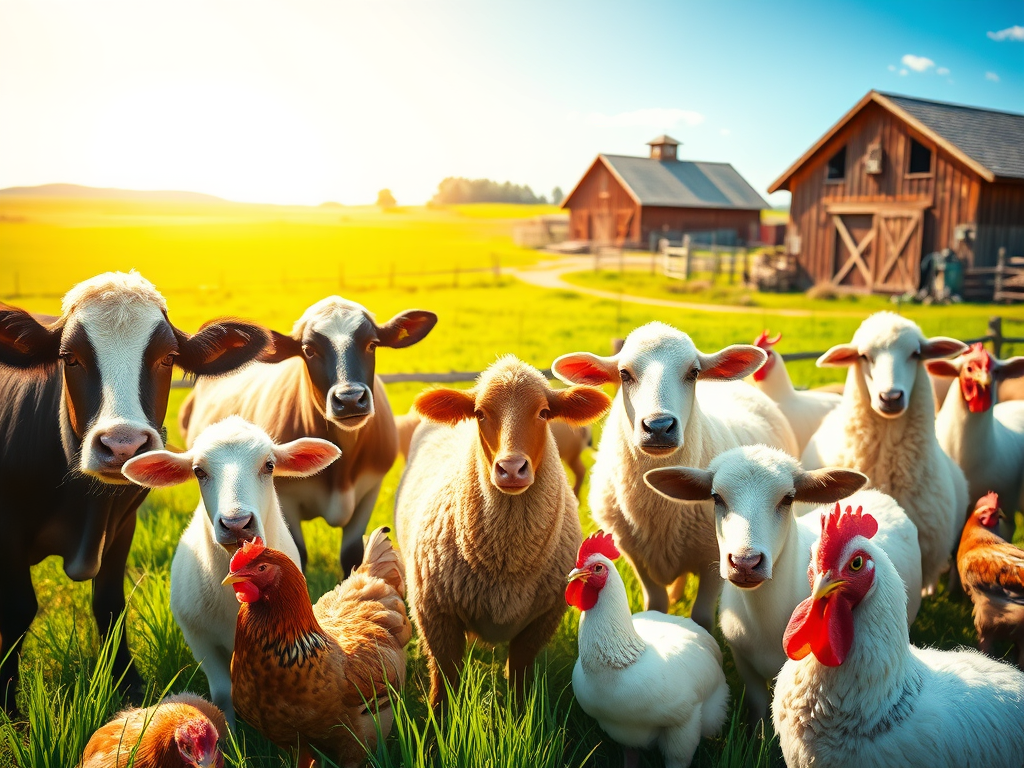
July: As the summer sun reaches its zenith, the countryside comes alive with the bustling energy of farms. A month of warmth and abundance paints a vivid picture of agricultural life. Lush green cornstalks sway gently in a warm breeze, while vibrant sunflowers follow the trail of the sun across the sky. Rows of ripening wheat dance gracefully, ready to be harvested and transformed into sustenance. Tractors rumble through fields, trailers laden with golden sheaves of wheat and barley. The air is filled with the sweet aroma of freshly harvested crops, a testament to the fruitful collaboration between humans and the land. Fragrant orchards burst forth with a symphony of colours and flavours with the arrival of luscious fruits. Apple trees bow under the weight of their ripe offerings, while plums, peaches, and cherries adorn the branches in a vibrant display. Cows graze lazily in the meadows, and sheep huddle together, their soft bleats filling the air and enjoying the abundance of fresh grass. Poultry scurry about in the barnyard, proudly displaying their vibrant plumage. Farmers’ markets come alive, showcasing the diverse array of produce grown locally. Vibrant stalls offer an assortment of fruits, vegetables, and homemade preserves, fostering a sense of connection between farmers and consumers.
August on the farm is a time of anticipation, hard work, and celebration. As the sun-drenched days gradually shorten and the crops ripen, farmers embark on the laborious task of gathering the fruits of their year-long toil. The countryside is awash with a myriad of colours as wildflowers bloom, creating a picturesque backdrop against the fields and meadows. The warm breeze carries a sweet fragrance of hay, freshly cut grass, and the earthy scent of soil, creating a sensory symphony that envelops visitors and farmers alike. Vibrant hues of ripening fruits and vegetables in orchards and gardens add to the visual splendour. Barns are filled with the gentle clucking of hens, the contented lowing of cows, and the playful baaing of lambs. Agricultural fairs and festivals take place, showcasing the best of rural life. As the fields yield their golden treasures, the farm embraces the beauty of nature’s bounty, the harmony between humans and animals, and the bonds of community. This unique blend of sights, scents, and activities creates an unforgettable experience that reminds us of the profound connection between humanity and the land.
September marks the peak of the harvest season, a time of fulfilment and celebration for farmers. The fields, once lush with greenery, now transform into a canvas of golden hues as crops ripen under the nurturing touch of the sun. It is a season when farmers reap the rewards of their year-long toil, gathering the fruits of their labour and filling barns and storehouses with nature’s abundance. The air is filled with the earthy scent of freshly harvested crops, evoking a deep sense of satisfaction and gratitude for the land’s generosity. The fields are alive with the rhythmic symphony of tractors and farm machinery, as farmers diligently plough the land, sow seeds, and tend to the needs of their crops. Trees, once adorned with lush foliage, undergo a metamorphosis, displaying their radiant shades of red, orange, and gold. Beyond the agricultural activities, September on the farm is also a time for cultivating traditions and fostering a sense of community. Farm festivals and farmers’ markets come alive, providing opportunities for rural communities to gather, share stories, and celebrate the year’s harvest. Locally grown produce, freshly baked goods, and homemade crafts showcase the rich tapestry of skills and talents that thrive.
October, with its crisp air and vibrant hues, marks a transformative season on the farm. As the leaves begin to fall and the summer’s bountiful crops are harvested, the agricultural landscape undergoes a captivating metamorphosis, synonymous with the harvest season, a time of great anticipation and reward for farmers. It is a season that celebrates the abundance of nature and the fruition of months of diligent labour. One of the most cherished traditions is apple picking, where families venture into orchards, baskets in hand, to pluck juicy apples straight from the trees. It is a chance to immerse in the whimsical spirit of Halloween, surrounded by vibrant orange hues and the earthy scent of the harvest. The fields need tending, with crops to be harvested, stored, or prepared for sale, and the air is filled with the sound of tractors, the hum of machinery, and the rhythmic thud of workers gathered to bring in the fruits of their labour. Community events such as harvest festivals and markets serve as opportunities to showcase the farm’s produce, crafts, and culinary delights. These gatherings create a tapestry of shared experiences, where stories are exchanged, traditions are passed down, and a sense of belonging is strengthened.
November: As the final harvest comes to an end and nature retreats into dormancy, farmers and their rural communities find solace and purpose in tranquillity. Fields adorned with golden stubble and rustling cornstalks bear witness to the cornucopia of crops that have been harvested, filling barns with an abundance of nature’s gifts. The air is infused with the scent of freshly harvested vegetables, and the vivid colours of pumpkins, squash, and apples create a picturesque scene. Hay bales are stacked high, a testament to the careful planning required to sustain the animals through winter. Crisp, cool air carries the sound of rustling leaves, providing a soothing symphony as farmers go about their daily tasks. It is a time for reflection and connection with the natural world, a chance to witness the beauty of nature’s cyclical patterns and embrace the ebb and flow of life on the farm. Additionally, farmers and their families gather for festive events like barn dances or harvest festivals, where they share stories, laughter, and delicious meals made from the bountiful produce of the season.
In the midst of December’s icy grip, the world is blanketed in serene stillness, and there is a charm that emanates from the farmlands. While winter’s touch may render the fields bare and the animals burrowed away, the farm remains a place of enchantment. As December unfolds, nature adorns the farm with wintry magic. Crisp white snow delicately covers sprawling fields, transforming them into a glittering canvas. The sight of a farm bathed in the soft glow of the winter sun evokes a sense of tranquillity and awe. The stark contrast between the pale blue sky and the pristine whiteness of the snow creates a breathtaking panorama that is uniquely captivating in its simplicity. The absence of tractors and the gentle hum of machinery allow for a profound sense of calm to settle upon the land. It becomes a sanctuary where the rhythmic crunch of snow beneath feet and the distant chirping of winter birds create a symphony of serenity. Within the farm’s borders, animals find refuge from the frigid temperatures. Barns and cosy shelters become sanctuaries, offering warmth and protection from the harsh winter elements. Cattle huddle together, their breath visible in the frosty air, creating a poignant reminder of the interconnectedness between humans and animals.


 Lazarus Carpenter - Author