
Reggie Ragbone

In a small, bustling town, there lived a man named Reggie Ragbone. To the untrained eye, Reggie was just an ordinary man with an extraordinary knack for turning discarded items into treasures. His home, a quaint cottage on the edge of town, was a wonderland of reclaimed materials and imaginative creations. Reggie had a peculiar philosophy: “One man’s rubbish is another man’s gold.” Every day, he would stroll through the neighbourhoods, collecting what others deemed worthless—broken furniture, leftover food, scrap metal, and forgotten toys. With each item, he saw potential, a story waiting to be rewritten.

One chilly morning, as Reggie rummaged through a pile of debris, he stumbled upon an old bicycle frame, rusty but intact. He took it home, cleaned it up, and transformed it into a beautiful garden trellis adorned with vibrant flowers. The townsfolk marvelled at his creations, but his unwavering generosity set Reggie apart. Whenever he found good food but no longer sellable—day-old bread, overripe fruit, or surplus vegetables—he would gather it all and prepare meals for those in need. He opened his door to the less fortunate, inviting them to share in his bountiful table. Reggie believed no one should go hungry, and he made it his mission to ensure everyone in town had enough to eat.

Reggie’s reputation grew, and soon, people began to bring their unwanted items to him, knowing they would find new life under his care. Children would visit his home to watch him work, their eyes wide with wonder as he crafted toys from scraps or built makeshift shelters for stray animals. Reggie became a beloved figure, a beacon of hope and creativity in a world that often overlooked the value of what was discarded. As years passed, the town transformed, inspired by Reggie’s vision. Community gardens sprouted, workshops on recycling and upcycling were established, and neighbours began to share their resources more willingly. Reggie had ignited a spark of creativity and kindness that spread like wildfire.

One day, while sorting through a pile of items, Reggie found a tattered book filled with stories of adventure and friendship. He decided to host a storytelling night, inviting everyone to gather around his fire pit. The warmth of the flames flickered against the backdrop of laughter and conversation as neighbours shared their tales and dreams. Reggie’s heart swelled with joy; he had created a home for himself and a community that thrived on sharing and sustainability. Looking around, he realized that his treasure was not merely the items he salvaged but the connections he fostered and the lives he touched. And so, Reggie Ragbone continued to live his life as a humble man with a golden heart, ensuring that nothing ever went to waste and that no one ever went hungry. In a world often focused on excess, he reminded everyone that true wealth lies in generosity, creativity, and the bonds we share.

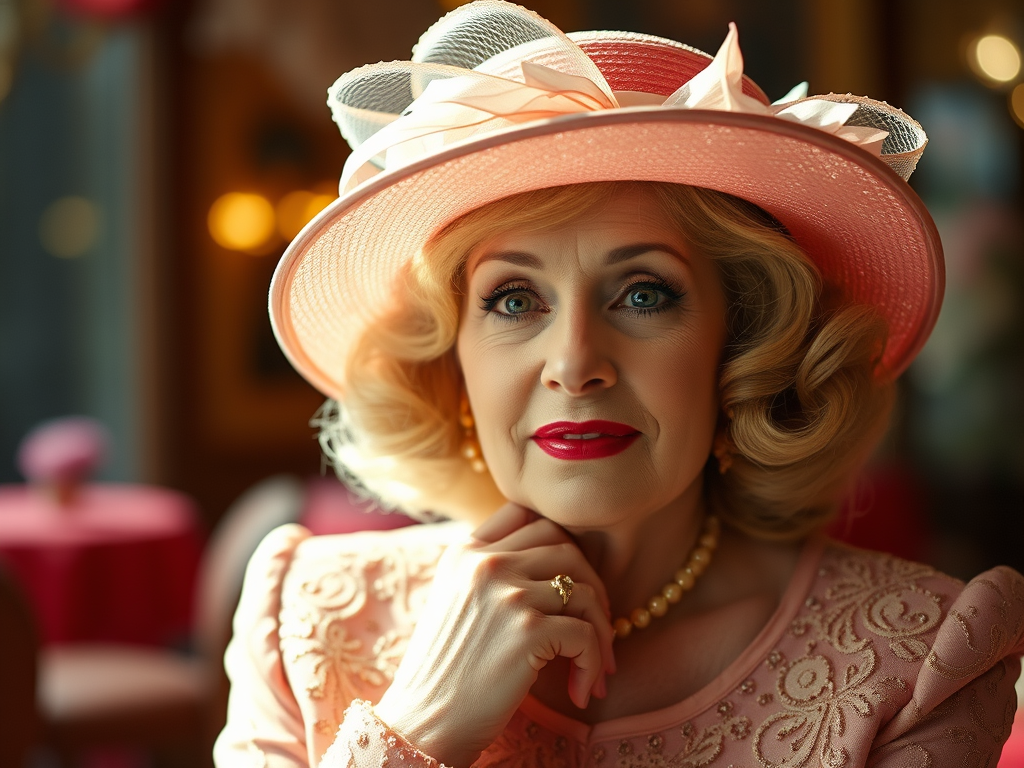
Agatha Christie

Agatha Christie was a famous British writer known for her detective novels. She was born on September 15, 1890, and died on January 12, 1976. Christie is best known for creating iconic characters such as Hercule Poirot and Miss Marple, who feature in many of her works. Her mystery novels are known for their intricate plots, clever twists, and engaging storytelling.

Christie’s works include popular titles such as “Murder on the Orient Express,” “And Then There Were None,” “The Murder of Roger Ackroyd,” and many more. She is one of the best-selling authors of all time, with her books translated into many languages and adapted into numerous films, TV shows, and stage plays.

Christie’s writing style and ability to create suspenseful and puzzling mysteries have earned her a lasting legacy as the “Queen of Mystery.” Readers around the world enjoy her works, and she remains a beloved figure in the world of detective fiction. 

Barbara Cartland

Barbara Cartland was born on July 9, 1901, and passed away on May 21, 2000. She was a prolific English author known for her romantic novels. In 1976, she published 23 books, holding the Guinness World Record for the most novels written in a year. Cartland began her writing career in 1922 and went on to write over 700 novels, which were translated into 38 languages and sold over 1 billion copies worldwide. Her novels typically featured themes of love, romance, and glamour and were often set in historical or exotic locations.

Apart from her writing, Cartland was also known for her personal style. She often dressed in pink and lived a lavish and romantic lifestyle. She was a prominent figure in British society and was involved in various philanthropic activities throughout her life. While some critics dismissed her work as formulaic and old-fashioned, Cartland maintained a dedicated following of readers who enjoyed her romantic storytelling. Her influence on the romance genre and her status as one of the most prolific authors of the 20th century are undeniable aspects of her legacy. 

Image by AI

Agatha Christie

Agatha Christie, born Agatha Mary Clarissa Miller on September 15, 1890, in Torquay, Devon, England, was a renowned English writer known for her detective novels and short stories. She is considered one of the best-selling authors in history, and her works have been translated into many languages and adapted into numerous films, TV series, and plays. Agatha Christie was born into a wealthy upper-middle-class family. She was home-schooled and developed a love for reading and writing from an early age. In 1914, she married Archibald Christie, an aviator in the Royal Flying Corps. They had one daughter, Rosalind Hicks. The marriage ended in divorce in 1928.

Her first novel, “The Mysterious Affair at Styles,” featuring the iconic detective Hercule Poirot, was published in 1920. She went on to write over 60 detective novels, including classics such as “Murder on the Orient Express,” “Death on the Nile,” and “And Then There Were None.” Apart from Hercule Poirot, Agatha Christie created another famous detective character, Miss Marple, an elderly spinster with a knack for solving crimes in the village of St. Mary Mead. In 1926, Agatha Christie famously disappeared for 11 days, sparking a massive manhunt. She was eventually found staying at a hotel under a different name. The reasons for her disappearance remain a mystery to this day.

Agatha Christie continued to write and publish books throughout her life. She received numerous awards for her work and was appointed a Dame Commander of the Order of the British Empire in 1971. She passed away on January 12, 1976, at the age of 85. Christie’s works continue to be popular worldwide, and she is often referred to as the “Queen of Crime” for her contributions to the detective fiction genre. Her books are still widely read and adapted for various forms of media, ensuring that her legacy endures for generations to come.

Image by AI

Sir Arthur Conan Doyle

Sir Arthur Conan Doyle was a British writer best known for his detective fiction featuring the character Sherlock Holmes. Arthur Ignatius Conan Doyle was born on May 22, 1859, in Edinburgh, Scotland. He was one of ten children. His father, Charles Altamont Doyle, was an artist, and his mother, Mary Foley, was Irish. Doyle studied medicine at the University of Edinburgh Medical School, where he met Dr. Joseph Bell, who would later serve as a model for the character Sherlock Holmes. He graduated in 1881.

After completing his studies, Doyle worked as a ship’s surgeon on a whaling voyage to the Arctic. He later set up a medical practice in Southsea, England. However, he struggled to establish a successful medical career and began writing to supplement his income. Doyle’s first significant work was “A Study in Scarlet,” published in 1887, introducing the character of Sherlock Holmes and his loyal companion, Dr. John Watson. The success of this novel led to a series of Sherlock Holmes stories and books, which made Doyle a household name. His popularity as a writer grew, but he grew increasingly frustrated with being overshadowed by his own creation, Sherlock Holmes. In an attempt to focus on other writing, he even killed off Holmes in “The Final Problem” in 1893. However, he later brought the character back to life due to popular demand.

In addition to his Sherlock Holmes stories, Doyle wrote historical novels, science fiction, plays, poetry, and non-fiction. He was also a fervent believer in spiritualism and wrote several books. Doyle married Louisa Hawkins in 1885, and the couple had two children. After Louisa died in 1906, Doyle remarried to Jean Leckie in 1907. He was knighted in 1902 for his services as a volunteer doctor in the Boer War. Sir Arthur Conan Doyle continued writing and lecturing until his death. At seventy-one, he passed away on July 7, 1930, in Crowborough, Sussex, England.

Sir Arthur Conan Doyle’s legacy endures through his timeless Sherlock Holmes stories, which have been adapted into numerous films, TV series, and other media. The detective is one of the most famous and enduring characters in literature.