
The Man Who Made a Difference

Once upon a time, in a bustling city, there lived a wealthy man named Alexander. He was known for his lavish lifestyle, opulent parties, and collection of rare artefacts from around the globe. Despite his wealth, Alexander felt an emptiness inside, a nagging sense that he was not making a meaningful impact on the world. One day, while attending a charity gala, Alexander overheard a conversation about climate change and its devastating effects on the planet. The statistics were staggering: rising sea levels, deforestation, and species extinction threatened the fabric of life on Earth. For the first time, he felt a spark of urgency and purpose.

Determined to make a difference, Alexander decided to use his resources for the greater good. He gathered a team of environmental scientists, activists, and innovators to brainstorm solutions. They realized that one of the biggest challenges was funding clean energy projects, sustainable agriculture, and reforestation efforts. With his wealth, Alexander launched the “Green Future Initiative,” a global campaign to combat climate change. He invested in renewable energy technologies, funded research for sustainable farming practices, and supported reforestation projects in deforested areas. He also partnered with local communities, ensuring that their voices were heard and that they benefitted from these projects.

As word spread about his efforts, more people joined the cause. Other wealthy individuals began to contribute, inspired by Alexander’s vision. Schools started teaching children about sustainability, and communities organized clean-up drives and tree-planting events. The movement grew, and soon it became a worldwide phenomenon. Years went by, and Alexander’s initiative began to show remarkable results. Cities transformed as they shifted to renewable energy sources, forests were restored, and wildlife returned to their natural habitats. The air became cleaner, and people started to notice the difference.

But it wasn’t just the environment that changed. Alexander found fulfilment in his work, building connections with people who shared his passion. He realized that true wealth lay not in material possessions, but in the impact, one could have on the world. Eventually, Alexander stood before a global summit, addressing leaders and citizens alike. He shared how a rich man, once lost in a world of luxury, had found purpose through service. He urged everyone to take responsibility for the planet and reminded them that change begins with a single action. As the audience erupted in applause, Alexander smiled, knowing that he had not only saved the world from impending doom but had also discovered his own place within it—a legacy built on hope, unity, and the unwavering belief that anyone, regardless of their background, could make a difference. 
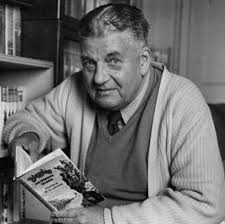
W.E. Johns (William Earl Johns)

W.E. Johns (William Earl Johns) was an English writer born on February 5, 1893, and passed away on June 21, 1968. He is best known for creating the character James Bigglesworth, commonly known as Biggles, a fictional pilot and adventurer who first appeared in the 1932 novel The Camels Are Coming. Johns had a background as a pilot and served as a fighter pilot during World War I, which greatly influenced his writing. His experiences in aviation and the military provided rich material for his stories, which often featured daring aerial exploits and adventures set against the backdrop of both World Wars.

Over the years, Johns wrote numerous Biggles books, which became popular among children and young adults. The series included thrilling air battles and themes of friendship, bravery, and the spirit of adventure. There are more than 90 Biggles stories, spanning novels and short stories. Aside from the Biggles series, Johns wrote other works, including stories about various characters and subjects, but Biggles remains his most enduring legacy. The character has appeared in various adaptations, including radio shows, films, and comic strips, and continues to attract readers even decades after Johns’s death. W.E. Johns’ contributions to children’s literature, particularly in the genre of adventure and aviation, have made him a notable figure in British literary history. 

Orion

Once upon a time, nestled deep within a magical forest, there lived a magnificent wolf named Orion. He possessed a sleek, silver coat that shimmered under the moonlight, and his piercing blue eyes sparkled like the stars in the night sky. But despite his extraordinary appearance, Orion carried a secret burden; he could not shed a single tear. While the other creatures of the forest revelled in the beauty of their emotions, Orion felt trapped within himself. His inability to cry made him an outcast, as his fellow wolves and woodland friends couldn’t understand his emotional plight. They believed tears to be a sign of vulnerability, but Orion yearned to experience the emotional release that tears could bring.

One day, as Orion wandered through a sunlit glade, he stumbled upon a wise old owl perched atop a moss-covered branch. The owl, Athena, possessed ancient wisdom and keen insight into matters of the heart. Sensing Orion’s sadness, she invited him to share his story. With a heavy heart, Orion poured out his tale of woe to Athena. He expressed his longing to cry, to release the emotions locked within him, and to feel a connection with his kindred spirits. Moved by his plight, Athena offered her guidance.

“Dear Orion,” Athena began, “the ability to cry goes beyond mere tears. It is the language of the heart, a gateway to understanding and compassion. But to embrace this gift, you must first uncover the source of your emotions.”

Together, Orion and Athena embarked on a quest to discover the key to unlocking Orion’s tears. They wandered through enchanted forests, climbed towering mountains, and crossed treacherous rivers. Along the way, they encountered various animals who shared their own stories of sorrow and joy, love and loss. As the journey unfolded, Orion began to understand that emotions were not a sign of weakness but rather an expression of his true self. He discovered that crying was not solely reserved for sadness but could also be a manifestation of happiness, empathy, and gratitude. Finally, deep within the heart of the forest, Orion faced his ultimate challenge, a mystical waterfall known as the “Tears of the Ancients.” It was said that those who stood before it with pure intentions would have their emotions released, allowing their tears to flow freely.

With trembling paws, Orion approached the waterfall. He called upon every emotion buried within him, allowing them to surge through his being. As his heart overflowed with a kaleidoscope of feelings, a single tear welled up in his eye, shimmering like a dewdrop. And then, with a sense of liberation, the tear trickled down Orion’s snout, splashing into the sacred waters below. In that instant, the floodgates burst open, and tears streamed down his face like a gentle rain, cleansing his soul and connecting him to the world around him. Word of Orion’s tearful transformation spread throughout the forest, and the animals rejoiced.

They recognized that emotions were not something to be feared but to be embraced and shared. Orion became a symbol of courage, teaching others to honour their feelings without shame. From that day forward, Orion’s tears became a gift, a reminder that expressing emotions is an essential part of the human experience. He roamed the forest, weaving tales of empathy and compassion, comforting those in need, and spreading the message that every tear carried within it the power to heal and unite. Children from far and wide would gather around Orion, eager to hear his stories and learn from his wisdom. They discovered that crying was not a sign of weakness but a testament to the strength and depth of their hearts.

Orion became a beloved character loved by many, guiding young ones through their own emotional journeys and encouraging them to embrace their feelings with open arms. As the forest flourished with newfound compassion and understanding, a remarkable transformation took place within Orion. With each tear shed, his heart grew lighter, and a radiant joy replaced the burden he had carried for so long. His once solitary existence transformed into a life filled with connection and meaning.

And so, the story of the wolf who could not cry, Orion, became a legend in the magical forest. It served as a reminder to all that emotions are a precious part of being alive, and that through embracing and expressing them, one can find solace, strength, and a profound sense of belonging to all that is and will ever be.

David Lodge

David Lodge is a renowned British author and playwright, born on January 28, 1935, in London. He is best known for his novels that often explore themes of academia, religion, and the complexities of human relationships, typically infused with humour and irony.

Lodge’s academic career significantly influenced his writing. He taught English literature at the University of Birmingham for many years, which provided him with a rich backdrop for his literary explorations. His notable works include “Changing Places” (1975), “Small World” (1984), and “Nice Work” (1988), all of which are part of what is sometimes referred to as the “Campus Trilogy.” These novels examine the lives of academics and the often absurd realities of university life.

In addition to his novels, Lodge has written plays, essays, and critical works on literature, showcasing his deep engagement with the literary world. His writing style is characterized by wit and a keen observation of social dynamics, making his works both entertaining and thought-provoking. Lodge has received various awards and accolades throughout his career, solidifying his status as a significant figure in contemporary literature. His contributions to both fiction and literary criticism continue to resonate with readers and scholars alike. 

Anthony Trollope

Anthony Trollope (1815–1882) was an English novelist and civil servant, known for his prolific writing and keen social observations. He is best known for his series of novels set in the fictional county of Barsetshire, which explore the lives and interactions of its inhabitants, often highlighting themes of politics, love, and social change.

Born in London, Trollope faced various challenges in his early life, including financial difficulties. He worked for the Post Office, where he developed a disciplined writing routine, often composing during his commute. This dedication enabled him to publish numerous works, including “The Warden,” “Barchester Towers,” and the “Palliser” series.

Trollope’s writing is characterized by its realism, humor, and deep understanding of human nature. He was a pioneer in the use of serialized fiction, which allowed him to reach a broad audience. Despite facing criticism during his time, he has since been recognized as one of the major Victorian novelists, influencing many writers who followed.

In addition to his literary work, Trollope was known for his travels and interest in politics. He was an advocate for social reform and often infused his political views into his narratives. His legacy endures, with many of his novels still in print and widely read today.