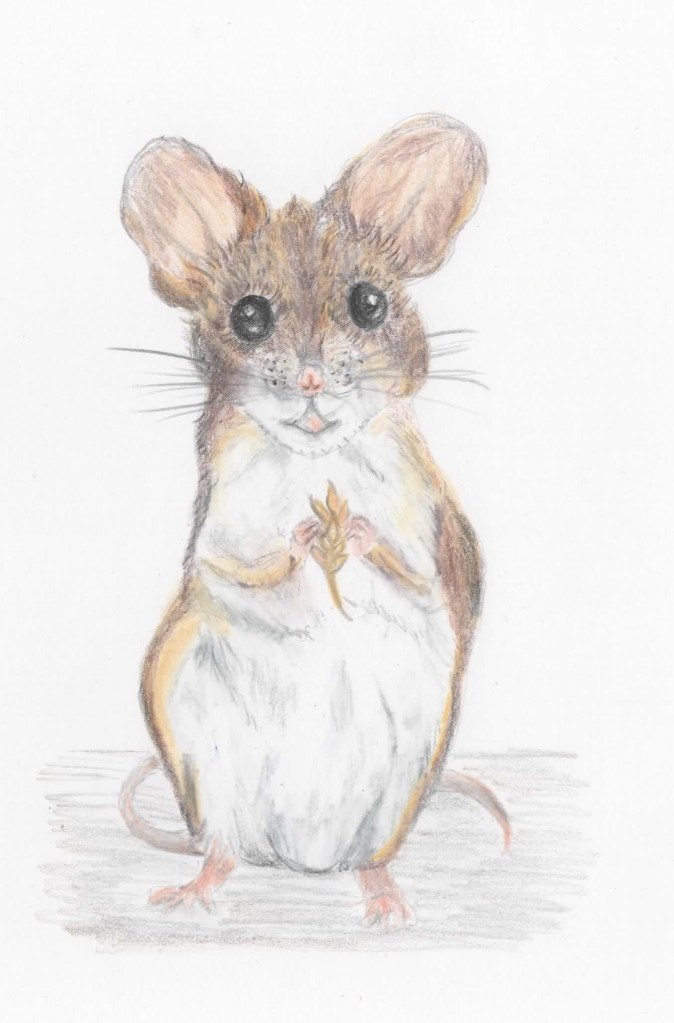
The Empty Chair

Once upon a time, in a small village nestled between rolling hills and whispering forests, there stood a quaint little tavern known as “The Whispering Woods Inn.” This inn was a beloved gathering place for travellers and locals alike, where stories were shared, laughter echoed through the halls, and friendships were forged over mugs of frothy ale. One chilly autumn evening, a mysterious stranger entered the inn as the golden leaves danced in the crisp breeze outside. Clad in a cloak of deep midnight blue and with a hood pulled low over their face, the stranger quietly sat at a table near the crackling fireplace.

As the night wore on, the innkeeper couldn’t help but notice the empty chair at the stranger’s table. Whispers spread through the room like wildfire, speculating who the stranger might be and why they sat alone. Curiosity piqued, and the innkeeper, a kind-hearted woman named Elara, approached the stranger with a warm smile.

“Good evening, traveller,” she greeted. “What brings you to our humble inn this night?”

The stranger looked up, their eyes a deep and enigmatic shade of blue.

“I seek respite from a long journey,” they replied in a voice as smooth as honey. “And perhaps a listening ear for a tale untold.”

Elara nodded understandingly and gestured to the empty chair.

“Please, share your tale with us. We are all ears.”

And so, as the fire crackled merrily and the patrons leaned in with eager anticipation, the mysterious stranger began to weave a tale of love lost, and battles won, of dreams dashed and hopes rekindled. Their words painted vivid images in the minds of those gathered, transporting them to distant lands and forgotten realms. As the tale drew to a close, a hush fell over the inn, broken only by the sound of the stranger’s soft voice fading into the night. The empty chair at their table seemed to hold a lingering presence, a symbol of stories yet to be told and mysteries left unsolved.

And so, the legend of the empty chair at The Whispering Woods Inn lived on, a reminder of the power of storytelling and the magic that can be found in the most unexpected places. 

Image 1 by http://www.gillsplace.com Image 2 by AI

The Seven-Faced Man

Once upon a time, in a small town hidden in the heart of a lush forest, there lived a man named Rufus. He was not like any other person in the town. He was known as the “Seven-Faced Man” because of his unique ability to change his facial expressions at will, displaying seven distinct faces reflecting different emotions and personalities. Rufus’s first face was that of a wise old man, with deep wrinkles etched into his skin and a knowing twinkle in his eyes. This face appeared when he offered advice and guidance to those in need, serving as a beacon of wisdom for the villagers.

His second face was that of a mischievous child, with a playful grin, sparkling eyes, and a hint of mischief. This face would emerge when he felt lighthearted and playful, bringing joy and laughter to those around him.

The third face was that of a fierce warrior, with a steely gaze and a determined set to his jaw. This face would appear when Rufus needed to protect his loved ones or stand up against injustice, showing his strength and resolve in adversity.

His fourth face was that of a gentle healer, with soft eyes and a compassionate smile. This face would come forth when he was tending to the sick and wounded, offering comfort and solace to those in pain.

The fifth face was that of a sorrowful soul, with tears glistening in his eyes and a heavy heart. This face would reveal itself when Rufus was mourning a loss or feeling the weight of the world’s troubles, showing his vulnerability and empathy for the suffering of others.

The sixth face was that of a skilled artisan, with hands that moved deftly and eyes that sparkled with creativity. This face would emerge when he was crafting beautiful works of art or creating something new and wonderful, showcasing his talent and passion for creativity.

Finally, the seventh face was that of a contented old man with a peaceful smile and eyes that held the wisdom of a life well-lived. This face would appear when Rufus was at peace with himself and the world around him, radiating a sense of serenity and fulfilment.

Despite the uniqueness of his gift, Rufus was beloved by the townspeople for his kindness and generosity and the many ways in which he used his seven faces to bring joy, healing, and wisdom to those around him. And so, the Seven-Faced Man lived out his days in the village, a beacon of light and hope in a world full of wonder and magic.

Image by AI

Revolution for Equality

In the kingdom of Serenica, a charming and eloquent man named Prime Minister Malfoy rose to power. His promises of prosperity and progress won the people’s hearts, and he was hailed as the nation’s new hope. However, behind the facade of benevolence, Prime Minister Malfoy harboured dark ambitions. Greedy and corrupt to the core, he exploited the elderly and vulnerable for his own gain. Under his rule, the elderly were stripped of their pensions, the vulnerable were denied essential services, and many struggled to afford food, heating, and shelter.

As the people suffered under his oppressive regime, whispers of discontent began to spread throughout the kingdom. The cries of the downtrodden grew louder, and a spark of rebellion ignited in the hearts of the oppressed. Led by a courageous group of activists and fueled by a burning desire for justice, the people of Serenica rose up against Prime Minister Malfoy’s tyranny. Street protests, civil disobedience, and acts of defiance swept the kingdom, challenging the corrupt system that had long oppressed them. In the face of mounting pressure, Prime Minister Malfoy’s grip on power began to weaken. The people united in their cause for change and demanded a new system of government that prioritized equality, justice, and the well-being of all citizens.

After months of fierce resistance and battles between the forces of oppression and the forces of liberation, the revolutionaries emerged victorious. Prime Minister Malfoy was ousted from power, and his reign of corruption ended. In the aftermath of the revolution, a new era dawned in the kingdom of Serenica. A system of government based on fairness, transparency, and equality was established, ensuring that the rights and needs of all citizens were protected and upheld. In the prosperous land of Serenica, the elderly were granted access to the support and care they deserved, the vulnerable were provided with essential services and assistance, and no one went hungry or cold. And so, through the courage and determination of the people, a new chapter was written in the kingdom’s history, a chapter of hope, unity, and equality for all. The fall of tyranny had given rise to a brighter future where justice and compassion reigned supreme. 

Images created by AI

The Silent Watchers

In a distant corner of the cosmos, two alien beings, Lumina and Xarlon, were tasked with observing and cataloguing the development of life on various planets in the universe. Their latest assignment brought them to Earth, a blue-green planet teeming with diverse and vibrant life forms. At first, Lumina and Xarlon were filled with wonder and awe at Earth’s beauty and complexity. They marvelled at the lush forests, the shimmering oceans, and the array of creatures that called the planet home. However, their fascination soon turned to horror as they witnessed the destructive power of humans, the planet’s dominant species.

From their vantage point high above the planet, Lumina and Xarlon watched in disbelief as humans waged wars, destroyed forests, polluted the oceans, and recklessly exploited the planet’s resources. They saw how greed, hatred, and ignorance drove humans to commit unspeakable atrocities against each other and the earth itself. Despite their advanced technology, Lumina and Xarlon were helpless in intervening. Their mission was one of observation, not interference. They could only watch in silent despair as Earth spiralled towards its own destruction at the hands of its own inhabitants. As the years passed, the situation on Earth only grew worse. Climate change ravaged the planet, natural disasters became more frequent and devastating, and entire species were driven to extinction. Lumina and Xarlon felt a deep sorrow for the loss of life and beauty they had witnessed on Earth.

Eventually, the day came when Earth reached a tipping point. War, environmental destruction, and unchecked greed had pushed the planet to the brink of collapse. Lumina and Xarlon watched with heavy hearts as the once vibrant planet became a barren wasteland devoid of life and hope. As they prepared to move on to their next assignment, Lumina turned to Xarlon and spoke softly,

“Do you think there is any hope for Earth, for humanity?”

Xarlon gazed down at the ruined planet below, a glimmer of sadness in his eyes.

“I do not know, Lumina. But perhaps one day, humans will awaken to the beauty of their world and learn to live in harmony with it. Until then, all we can do is watch and hope.”

With that, Lumina and Xarlon bid farewell to Earth, their hearts heavy with the knowledge of what they had witnessed. As they journeyed onwards through the cosmos, they carried with them the memory of a planet that had been both a cradle of life and a testament to its inhabitants’ destructive power.

Images by AI

The Disillusioned Philanthropist of Polis

Alexander Moore lived in the bustling city of Polis. Alexander was a wealthy philanthropist known throughout the city for his charitable deeds and generous donations to various causes. He had built schools, funded healthcare initiatives, and supported countless individuals in need. However, as time passed, Alexander began to feel disillusioned with the world around him. Despite his best efforts, he saw poverty, inequality, and suffering persist in the city, seemingly impervious to his philanthropic endeavours. The more he gave, the more it seemed like a drop in the ocean of need.

One cold winter evening, as Alexander walked through the city streets, he came across a homeless shelter where people huddled together for warmth. He entered the shelter and saw the faces of those in need, their eyes filled with despair and hopelessness. It was then he realized that his charity, while well-intentioned, was only a temporary bandage on a deep wound that required systemic change. Over the following weeks, Alexander deeply researched the root causes of poverty and inequality in Polis. He met with community leaders, activists, and experts to understand how real change could be achieved. He learned the importance of advocacy, policy change, and sustainable development in addressing social issues.

With a newfound purpose, Alexander founded a foundation dedicated to providing aid and advocating for systemic change. He used his wealth and influence to push for policies that addressed the root causes of poverty, inequality, and social injustice. He worked tirelessly to empower communities, educate the public, and hold institutions accountable for their actions. As months turned into years, Alexander’s efforts began to bear fruit. Thanks to his advocacy and leadership, the city of Polis saw improvements in education, healthcare, and social services. People’s lives were changing for the better, and hope was slowly being restored in the hearts of many.

Though the road was long and challenging, Alexander Moore found a renewed sense of purpose in his work. He may have started as a disillusioned philanthropist, but through his journey, he became an actual agent of change, impacting the world around him. His tale served as a reminder that true philanthropy goes beyond charity; it requires courage, dedication, and a commitment to creating a better future for all. 

Image by http://www.gillbrooks.com