Lazarus Carpenter
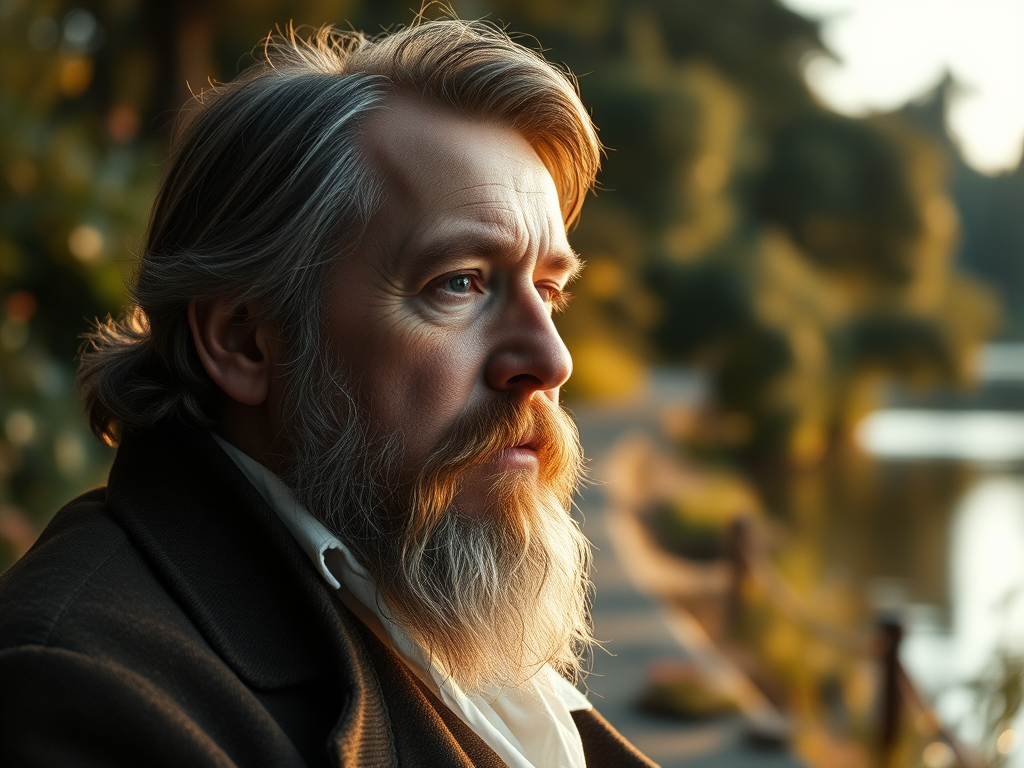
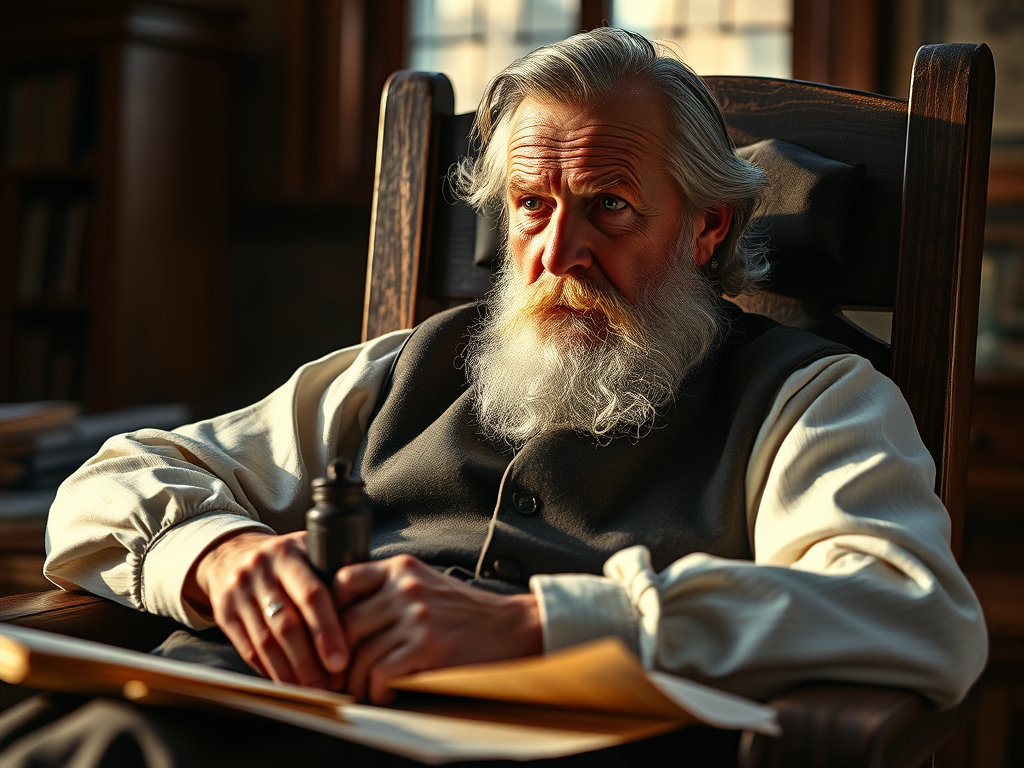
I have lived in Wales for over twenty five years. Born in North Yorkshire, I am now an author, actor, musician and song writer, previously being a therapist, trainer and researcher, specialising in mental health. He was educated in Middlesbrough, Sheffield and Cambridge. With a fascination for Welsh History, I create worlds within worlds; magical, haunting, spirituality permeating sound moral codes of life. I live quietly with Debbie Eve (also my illustrator and our dog, Noodle in a small cottage surrounded by the beauty of the Brecon Beacons in the Valleys of South Wales.
Christopher John Sansom, known as C.J. Sansom, is a British author best known for his historical crime fiction series featuring the hunchbacked lawyer-detective Matthew Shardlake. The Shardlake series is set in the Tudor period of English history, specifically during the reign of King Henry VIII. Sansom’s novels are known for their detailed historical accuracy and intricate plots that blend historical events with fictional mysteries.
Some of the popular books in the Shardlake series include:
1. Dissolution (2003) 2. Dark Fire (2004) 3. Sovereign (2006) 4. Revelation (2008) 5. Heartstone (2010) 6. Lamentation (2014) 7. Tombland (2018)
C.J. Sansom’s novels have received critical acclaim and have garnered a wide readership for their engaging storytelling, rich historical detail, and compelling characters. This incredible series has now found its way to the screen. C J passed away from cancer on April 24; he was seventy-one.
Once upon a time, in a secluded valley surrounded by towering mountains, there stood an ancient tree known as Eldergrove. This was no ordinary tree; it was said to be the oldest living organism in the world, over 5,000 years old. Its gnarled branches stretched wide, and its thick trunk was a tapestry of scars and knots, each telling a story of the centuries it had witnessed. Eldergrove was revered by the villagers who lived nearby. They believed the tree possessed profound wisdom and could answer the deepest questions of the heart and mind. On nights when the moon was full, villagers would gather around Eldergrove, sharing their worries and dreams, hoping to glean insights from its timeless presence.
One evening, a young woman named Lila approached the tree, her heart heavy with uncertainty. She was at a crossroads, torn between following her family’s wishes to take over the family business or pursuing her passion for art. Kneeling before the great tree, she placed her hands on its rough bark and closed her eyes.
“Great Eldergrove,” she whispered, “please help me find my path?”
A gentle breeze rustled the leaves above as if responding to her plea, creating a soft, melodic whisper. Lila listened intently, her heart calming as she felt a connection to the ancient spirit of the tree. In that moment, she sensed the stories of countless souls who had stood where she was, seeking guidance and clarity. The wind carried a message:
“Follow your heart, for it is the compass that will lead you to your true self. The world needs your light, just as it has needed the sun for millennia.”
Inspired, Lila stood up, a newfound clarity washing over her. She realized that while her family’s expectations were significant, her happiness and passion were paramount. She decided to pursue her art, creating pieces that reflected the beauty of the world around her. As the years passed, Lila’s art flourished, and her works began to resonate with many. She often returned to Eldergrove, sharing her successes and challenges, always finding comfort in the tree’s silent wisdom. One day, as she sat beneath its sprawling branches, she noticed a group of children playing nearby. They were laughing and weaving flower crowns, their innocence a reminder of the joy in simplicity. Lila smiled, realizing Eldergrove was a source of wisdom and a symbol of continuity and connection.
With each passing season, Eldergrove stood tall, nurturing generations with its ancient wisdom. The villagers taught their children to listen to the tree and seek its counsel in times of doubt. They understood that while the world was ever-changing, the lessons imparted by Eldergrove remained timeless. And so, the oldest tree in the world endured a steadfast guardian of wisdom, reminding all who sought its guidance that true fulfilment comes from embracing one’s authentic self and sharing that light with the world.
Albert Camus was a French philosopher, author, and journalist widely regarded as one of the most important existentialist thinkers of the 20th century. He was born on November 7, 1913, in Mondovi, Algeria, a French colony. Camus’ father died in World War I when he was just a year old, and he was raised by his mother, who was partially deaf and illiterate. He moved to France to study philosophy at the University of Algiers, where he became involved in the intellectual and political life of the time. He eventually joined the French Resistance during World War II and became the editor of the underground newspaper Combat.
Camus is best known for his philosophical works, such as “The Myth of Sisyphus” and “The Rebel,” in which he explores themes of absurdity, rebellion, and the search for meaning in a seemingly indifferent universe. He also wrote novels, including “The Stranger” and “The Plague,” considered classics of existentialist literature. In 1957, Camus won the Nobel Prize in Literature for his influential writing that sheds light on the problems of the human conscience in our times. Tragically, he died in a car accident on January 4, 1960, at the age of 46, cutting short a brilliant and prolific career. Despite his untimely death, Camus’ works continue to be studied and revered for their insights into the human condition and the complexities of existence.
Once upon a time, in the deep, blue waters of the Pacific Ocean, there lived a gentle giant named Waverly the Whale. Waverly was not just any whale; she was the most enormous creature in the ocean, known for her wisdom and kindness. The other marine animals adored her and often sought her advice on matters big and small. One sunny day, as Waverly swam gracefully through the coral reefs, she noticed something troubling. The corals’ vibrant colours were fading, and the fish were swimming in distress. Curious and concerned, she approached her friend, Coral the clownfish.
“What’s happening, Coral?” Waverly asked, her voice echoing through the water.
“It’s terrible, Waverly!” Coral replied, her fins trembling. “There’s a huge pile of garbage floating near the surface. It’s killing our home! The fish are getting stuck, and the corals are dying from pollution.”
Determined to help, Waverly gathered her friends: Tilly the turtle, Finn the dolphin, and Sammy the seahorse. Together, they devised a plan to clean the ocean and protect their home. Waverly took the lead, using her massive size to create waves that pushed the debris towards the shore. Tilly and Finn swam in circles, guiding smaller fish away from the danger, while Sammy used his quickness to collect smaller bits of trash. They worked tirelessly for days, encouraging other sea creatures to join their cause. But as they cleaned, Waverly noticed something even more alarming: fishermen were casting nets too close to the reef, endangering the creatures they were trying to save. It was time for a different approach.
Waverly decided to speak to the humans. She swam to the surface and began to breach dramatically, creating large splashes that caught the attention of nearby boats. The fishermen and tourists gasped in awe at the sight of the majestic whale. With a bit of help from Coral, who swam close to the boats, Waverly began communicating. She swam in patterns that drew shapes in the water, mimicking the beauty of the ocean and showing the humans what they were destroying. The fishermen watched in wonder and slowly began to understand the message.
Moved by the whale’s display, the fishermen decided to change their ways. They agreed to fish further away from the reefs and to use nets that wouldn’t trap innocent creatures. They also pledged to keep the ocean clean and educate others about protecting marine life. Waverly and her friends celebrated their hard work. The ocean began to heal, and the coral’s vibrant colours returned. Schools of fish swam happily, and the underwater community flourished once more.
From that day on, Waverly became known as the Guardian of the Ocean. Her bravery and wisdom inspired many, and she taught everyone that even the smallest actions could create significant changes. So, the tale of Waverly the Whale spread far and wide, reminding everyone that protecting the ocean was a responsibility that belonged to all its inhabitants—great and small. The ocean thrived, and Waverly watched over her home, knowing they could save their world as long as they worked together. And thus, the ocean was saved, all thanks to one brave whale and her friends.
Mark Twain, whose real name was Samuel Langhorne Clemens, was an American writer, humorist, entrepreneur, publisher, and lecturer. He was born on November 30, 1835, and passed away on April 21, 1910. Mark Twain is best known for his novel “The Adventures of Tom Sawyer” and its sequel “Adventures of Huckleberry Finn,” both of which are considered classics of American literature.
Twain’s writing style was characterized by humour, social commentary, and a keen eye for the human condition. He often used satire to critique societal norms and conventions of his time. His work has had a lasting impact on American literature and continues to be studied and celebrated today. In addition to his literary work, Twain was also known for his wit and wisdom and his quotes on a wide range of topics. Some of his famous quotes include:
“The two most important days in your life are the day you are born, and the day you find out why,”
and
“Twenty years from now, you will be more disappointed by the things that you didn’t do than by the ones you did do.”
Mark Twain’s legacy as a writer and cultural icon endures today, and he is widely regarded as one of the greatest American writers of all time.