Depths of Discord
ACT 1
[The sound of pickaxes striking rock echoes in the darkness. Heavy breathing and metal clinking against stone can be heard as three miners, JACK, SAM, and PETE work in a cramped underground tunnel.]
JACK: (grunting) “Blast it, Sam, watch where you’re swinging that pickaxe! You nearly took my foot off!”
SAM: (defensive) “Well, maybe if you weren’t crowding my space, I wouldn’t have to worry about hitting you!”
PETE: (trying to diffuse the tension) “Come on, guys, let’s focus. We need to get this tunnel reinforced before the next shift arrives.”
SAM: “Yeah, yeah, but tell that galoot Jack, to keep out of my space, always crowding me, see!”
JACK: “You need to wind your neck in Sam Jones, always moaning you are. You are lucky I am a calm man, or you would be in a heap on the ground.”
SAM: “Did you hear that Pete? Fighting talk if ever I heard it. Threatening me he is.”
JACK: “I am not, I am stating facts. Things are bad enough for us down here six days a week in the cold and damp, without you moaning when a man bumps into you. Accidents happen, it was an accident, get over yourself.”
[The sound of a sudden rumble fills the air, followed by the creaking and groaning of the tunnel walls.]
JACK: (alarmed) “What the…? Everyone, get back! The walls are shifting!”
SAM: “Pete, Jack, over here!”
PETE: “I’m behind you both, quick!”
[The tunnel collapses, plunging the miners into darkness as the sound of falling debris fades away.]
ACT 2
[The miners are now trapped in a small cavern, their only source of light a flickering lantern.]
PETE: (panicked) “We’re stuck! How are we going to get out of here?”
SAM: (sarcastic) “Maybe if someone hadn’t distracted me, we wouldn’t be in this mess!”
JACK: (furious) “You want to blame me for this? You’re the one who’s always causing trouble with your recklessness!”
PETE: “Will you two give it a rest, this is no-ones fault, its a fall. Look at the size of those rocks, how the hell are we gong to get out of here?
SAM: “Boys, this is a mess!”
JACK: “We are trapped, right! Lets get organised. What water have we got and food, whatabout food? I got me flask of tea, me sandwiches and a piece of our Morganna’s cake.”
PETE: “Yer right Jack, we need to sort ourselves out, we don’t know how long we are going to be down here. I have me lunch and tea and two bottles of water.”
SAM: “I got me dinner and tea, (sarcastic slur) we don’t have lunch in our house,
PETE: ” Will you stop with the snide remarks Sam, we have to make a real effort to stay in control. I don’t think we should talk to much, we have no idea how much air is trapped here.”
JACK: “I got nothing to say boys, best preserve our breath, I think we are going to need it.”
SAM: “Howlong do you think we are going to be down here Pete?”
JACK: “Not the sharpest chisel on the shelf are you Sam?”
(Sam grunts dismissively)
PETE: “Well they will know we are trapped by now, mind you I’ve not heard the claxon.”
JACK: “We can’t hear that down here, just like they won’t here our shouting, so not a lot of point in that is there!”
SAM: “Lets put all our supplies on this slab so we can see what there is and divide it up into portions.”
JACK: “Somebody has sharpened the chisel!”
SAM: “Aw, give it a rest!”
(Sam strikes a match about to light a cigarette)
PETE: “Put that out, no smoking, what if there is gas?”
JACK: “Yup that’s all we need, trapped behind tons of earth and stone, a thousand feet underground, with him smoking, leaking gas and us all going boom!”
SAM: “I’ve put it out, I’m sorry I wasn’t thinking.”
JACK: “I wonder how long the light will last?”
[The tension in the cavern builds as the days pass. The miners bicker and argue, their tempers flaring in the oppressive darkness.]
ACT 3
[As the days become a week, the miners’ situation grows increasingly dire. Their food and water supplies dwindle, and the air grows thin and stale.]
PETE: (desperate) “We can’t keep going on like this. We need to find a way out of here.”
SAM: (defeated) “What’s the point? We’re trapped, and nobody’s coming to rescue us. We’re as good as dead.”
JACK: (determined) “No! We’re not giving up. We’re going to find a way out of here, and we’re going to do it together. I know we have moved a lot of stuff but there is more we can do.”
SAM: “Wait, listen, shush!”
JACK: “What’s that?”
(Faint cries and sounds of digging can be heard on the other side of the rocks)
JACK, PETE, SAM: “We are here, we are alive.”
JACK: “Do you think they heard us?”
PETE: “Shout again, come on altogether, shout!”
SAM, JACK, PETE: ” Help, help!”
(A distant shout is heard)
VOICE: “We hear you we are coming, hang on boys, hang on!”
(With newfound determination, the miners work together to clear debris, using their remaining tools and strength to break through to a nearby tunnel. As they emerge into the open air, they are greeted by the cheers of rescue workers who have been tirelessly searching for them)
PETE: (relieved) “We made it!”
SAM: (grateful) “I never thought I’d be so happy to see daylight.”
JACK: (reflective) “We may not have liked each other when this all started, but we survived because we worked together. Maybe there’s hope for us yet.”
SAM: “I need a pint!”
PETE: “Thats makes three of us!”
JACK: “I’m buying boys.”
(The miners emerge from the depths, forever changed by their harrowing ordeal)
ACT 4
Aftermath of Survival – Resilience and Blame
After seven harrowing days trapped underground in a dark and suffocating pit, Jack, Sam, and Pete emerged into the light of day, their bodies battered but their spirits unbroken. The trio found themselves in a local pub, seeking solace and perhaps a sense of normalcy after their near-death experience. The past week’s events loomed large in their minds as they sat around a table, nursing their drinks. Jack, normally the jovial and optimistic one of the group, was uncharacteristically quiet, his eyes staring into the distance as if trying to make sense of it all. The practical and stoic member, Pete, seemed lost in his thoughts, his hands fidgeting with his glass. Sam, on the other hand, was visibly agitated. His usual easygoing demeanour was replaced by a palpable tension, his brow furrowed in anger and frustration. With each sip of his drink, his words grew more pointed and accusatory.
SAM: “It’s all your fault,” Sam mutters, his voice laced with bitterness. “If you had listened to me, we wouldn’t have ended up in that pit in the first place.”
Jack and Pete exchanged a weary glance, understanding the tumult of emotions swirling within their friend. They knew that surviving such a traumatic ordeal could leave lasting scars, both physical and emotional. But they also knew assigning blame would not lead to healing or closure.
JACK: “Sam, we all made mistakes,” Jack says gently, his voice breaking the heavy silence over the table. “But we also worked together to survive. We supported each other when it mattered most.”
Sam scoffs, his eyes flashing with defiance.
SAM: “Support? All I saw was incompetence and recklessness. You two almost got us killed down there!”
Pete speaks up, his voice calm but firm.
PETE: “Sam, we can’t change what happened. What we can do is learn from it and move forward. Blaming each other won’t undo the past.”
As the conversation continues, a glimmer of understanding dawns on Sam’s eyes. He realises that his anger stemmed from the past week’s events and a deeper well of fear and vulnerability. In lashing out at his friends, he was trying to regain control over a situation that had spiralled out of his grasp. With a heavy sigh, Sam set down his glass and met the gaze of his companions.
SAM: “I’m sorry,” he says, voice tinged with regret. “I’ve been so focused on blaming others that I forgot to be grateful for being alive.”
Jack and Pete nodded in understanding, their hearts heavy with what they had endured. At that moment, as they sat together in the dimly lit pub, they found solace not in assigning fault but in the shared bond forged through adversity. The three friends raised their glasses in a silent toast to survival, their eyes reflecting a newfound appreciation for life’s fragility and resilience. In that simple gesture, they acknowledged the past while embracing the future, knowing that no pit, no matter how deep, could extinguish the light of their friendship.
ACT 5
Returning to the face!
Setting: A dimly lit room with a small table and a few chairs. The walls are lined with mining equipment and helmets. The atmosphere is tense, with a sense of unease hanging in the air. The three miners, Jack, Pete, and Sam, are seated around the table, sipping cups of coffee. They exchange hesitant glances, each lost in their own thoughts.
PETE: [breaking the silence] “Two weeks ago, we were lucky to make it out alive. I’ve been thinking… maybe we shouldn’t go back down there.”
JACK: [nodding solemnly] “It was a close call, that’s for sure. But we can’t let fear dictate our actions. The mine is our livelihood, after all.”
SAM: [eagerly] “I agree with Jack. We can’t let one accident stop us from doing our jobs. We’re miners; it’s what we do.”
PETE: [sighing] “I understand where you’re coming from, but I can’t shake the feeling that something isn’t right. What if it happens again? What then?”
SAM: [placing a hand on Joe’s shoulder] “We’ll be careful, Joe. We’ll stick together and watch each other’s backs. We’ve been through worse together and always come out stronger.”
JACK: [determined] “Sam’s right. We’re a team, and we can handle whatever comes our way. I say we go back down there and show that mine who’s boss.”
The room falls silent as the miners contemplate their decision. After a moment, Pete nods his head resolutely.]
PETE: “Alright then. Let’s suit up and head back down. We’ve got work to do.”
The miners stand up, determination etched on their faces. They grab their helmets and gear, ready to face the darkness again.
SAM: [smiling] “Together, we can conquer anything.”
The three miners share a brief moment of camaraderie before heading towards the pit entrance, their shadows dancing on the walls as they disappear into the depths of the mine. The scene fades to black as their footsteps echo through the darkness, symboling resilience and unity in the face of adversity.]






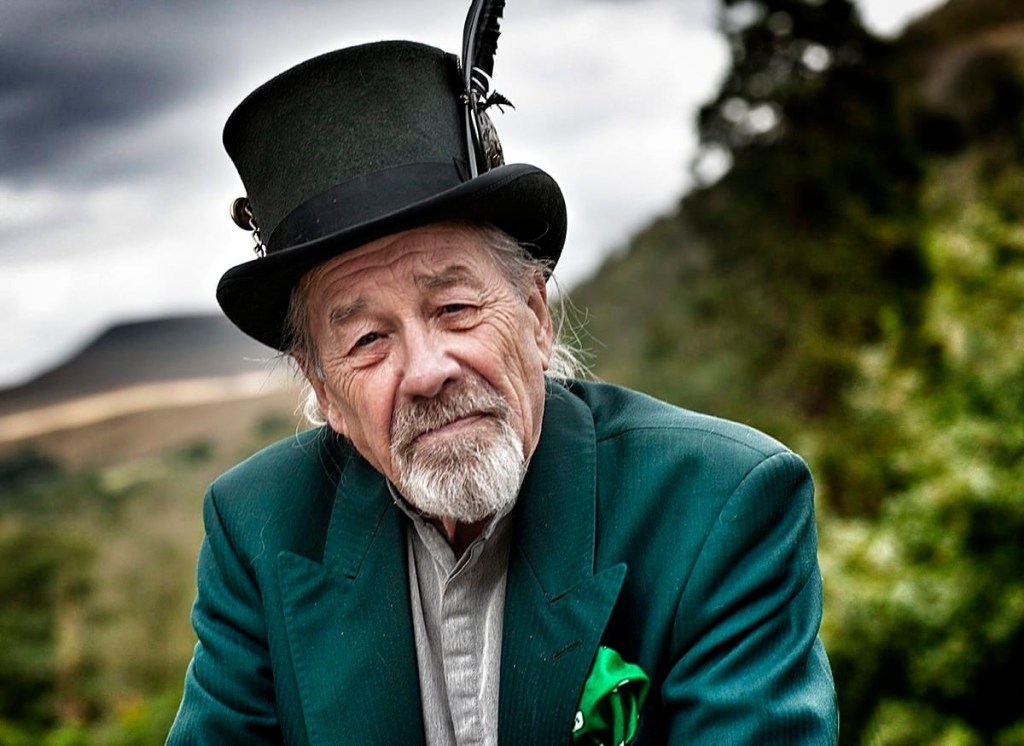
 Lazarus Carpenter - Author