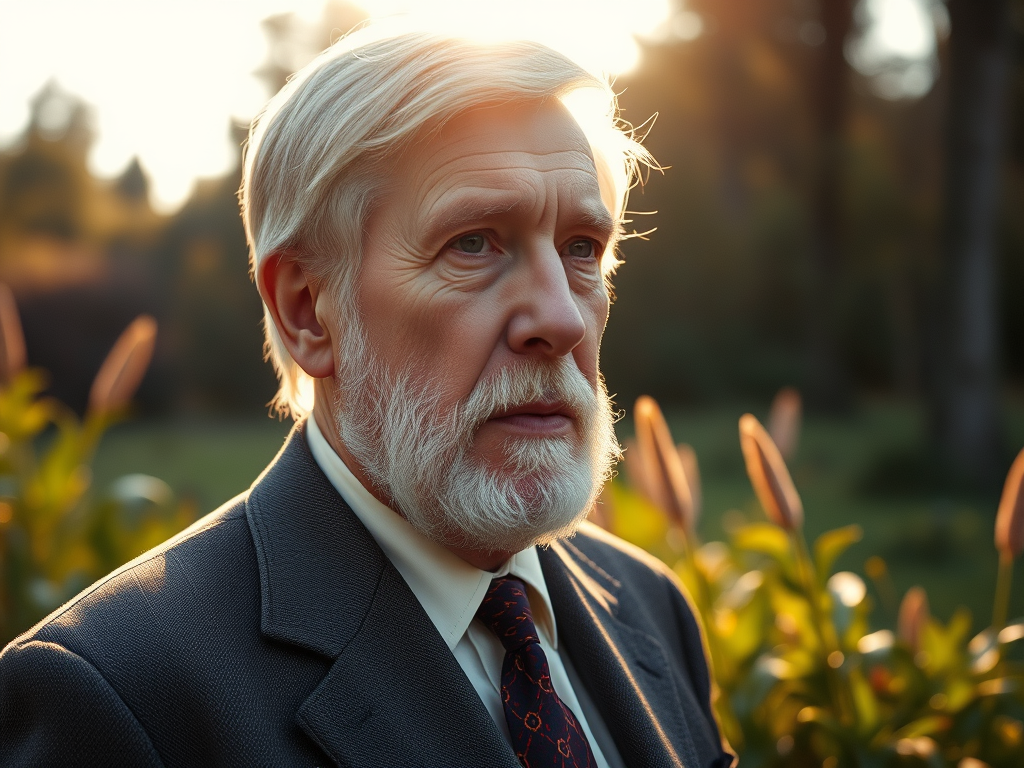
Robert Frost was an American poet born in San Francisco, California, on March 26, 1874. He is widely regarded as one of the most important poets of the 20th century. Frost’s work is known for its depictions of rural New England life, its use of everyday speech, and its exploration of complex philosophical themes.
Frost’s family moved to Massachusetts after his father died in 1885, and he spent much of his youth there. He attended Harvard University briefly but left to pursue a career in farming and writing. His first book of poetry, “A Boy’s Will,” was published in 1913, followed by “North of Boston” in 1914, establishing his reputation as a leading poet. Frost received numerous accolades throughout his career, including four Pulitzer Prizes for Poetry. Some of his most famous poems include “The Road Not Taken,” “Stopping by Woods on a Snowy Evening,” and “Mending Wall.” His work often explores themes of nature, rural life, individuality, and the human condition.
Frost’s style is characterized by its conversational tone and rhythmic quality, often reflecting the speech patterns of New Englanders. He was also known for his public readings and engaging personality, which helped popularize his poetry. Frost continued to write and publish until his later years, and he passed away on January 29, 1963, in Boston, Massachusetts. His legacy endures, and he remains a central figure in American literature.




 Lazarus Carpenter - Author