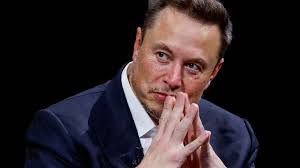
Keir Starmer’s concerns about Elon Musk stem from several interconnected issues related to social media, misinformation, and democratic integrity. When Musk acquired Twitter (now known as X), he implemented significant changes to the platform’s content moderation policies. These changes included reducing the workforce responsible for managing harmful content, which raised alarms about the potential increase in the spread of misinformation and hate speech.
Starmer and other critics argue that social media platforms, like X under Musk’s leadership, play a crucial role in shaping public discourse. Without adequate safeguards, these platforms can become vehicles for spreading false information, which can distort public perception and undermine trust in democratic institutions. This is particularly worrisome during election periods, where misinformation can influence voter behavior and election outcomes.
Moreover, Musk’s approach to free speech, which he often champions as a justification for his decisions, is seen by some as overly permissive, allowing harmful content to proliferate under the guise of protecting open dialogue. Starmer’s concerns reflect broader apprehensions about the responsibilities of tech giants to ensure that their platforms do not contribute to societal harm.
In addition to misinformation, there are worries about how Musk’s influence and personal views might shape platform policies in ways that could affect political dialogue. This situation highlights the broader debate over the power held by tech moguls and their platforms in the digital age, and the need for regulatory frameworks to ensure accountability and protect democratic values.
 Lazarus Carpenter - Author