Embracing the Third Age: Journey of Wisdom and Fulfillment

Introduction:

Life is a magnificent journey with different stages, each offering unique experiences and perspectives. The third age, often referred to as the stage of retirement or later life, is a remarkable chapter in one’s existence. It is a time of reflection, rediscovery, and the pursuit of newfound passions. I will explore the significance of the third age, examining the opportunities it presents for personal growth, contribution to society, and the importance of embracing this stage with enthusiasm and purpose.

Redefining Retirement:

Traditionally, retirement has been associated with a withdrawal from work and a decline in productivity. However, the third age challenges this notion by providing an opportunity for individuals to redefine retirement. It encourages them to explore new horizons, engage in lifelong learning, and pursue activities that bring joy and fulfillment. Whether through embarking on a second career, starting a new business, or dedicating time to hobbies and passions, the third age offers endless possibilities for personal growth and self-expression. Retirement no longer signifies an end but rather a new beginning, where individuals can discover and nurture their true passions. It is a time to explore those dreams that may have been postponed due to work and family obligations. With fewer responsibilities and more freedom, individuals can engage in activities that bring them joy, whether it be painting, writing, gardening, or traveling. By embracing the third age with a sense of adventure and curiosity, retirees can revitalize their lives and find fulfillment in pursuing their long-held desires.

Wisdom and Experience:

One of the most valuable assets of the third age is the wisdom and experience accumulated over a lifetime. Individuals in this stage have witnessed and overcome various challenges, acquiring a wealth of knowledge along the way. This wisdom can be shared with younger generations, serving as a source of guidance and inspiration. Mentoring programs, volunteering, and community involvement provide avenues for seniors to contribute their expertise, fostering intergenerational connections and promoting a sense of purpose and fulfillment. The third age offers an opportunity for individuals to reflect on their life experiences and distill the lessons they have learned. This wisdom can be passed down to younger generations, providing them with valuable insights and guidance. Through mentoring relationships, retirees can offer support, share their knowledge, and inspire others to navigate life’s challenges with resilience and grace. By actively engaging with their communities, seniors can become catalysts for positive change, leveraging their wisdom and experience to make the world a better place.

Health and Well-being:

Maintaining good health and well-being is crucial in enjoying the third age to its fullest. With advancements in healthcare and a better understanding of healthy lifestyles, individuals now have the opportunity to extend their active years. Regular exercise, a balanced diet, and engaging in social activities contribute to physical and mental well-being, enabling seniors to lead vibrant and fulfilling lives. Moreover, the third age offers time for self-care, allowing individuals to prioritize their well-being and invest in activities that enhance their quality of life. Retirees can embrace the third age by adopting a holistic approach to their well-being. Staying physically active through activities like walking, yoga, or swimming helps maintain vitality and mobility. A well-balanced diet rich in nutrients supports overall health and provides the energy needed to pursue various interests and activities. Additionally, nurturing social connections and participating in community events fosters a sense of belonging and combats loneliness, which can be a common concern in the third age. By prioritizing their health and well-being, individuals can enjoy an active and fulfilling retirement, allowing them to fully engage in the world around them.

Lifelong Learning:

Learning does not cease with the end of a career; it continues to be a lifelong journey. The third age provides an ideal opportunity to delve into new areas of interest, pursue educational courses, or engage in intellectual pursuits. Learning not only keeps the mind sharp but also opens doors to new social connections and personal growth. Whether through attending lectures, joining study groups, or exploring online platforms, seniors can enrich their lives and expand their knowledge, fostering a sense of curiosity and intellectual stimulation. The third age offers a unique chance for individuals to embrace their thirst for knowledge and engage in lifelong learning. Retirement provides the freedom to explore subjects and disciplines that have always sparked curiosity. It could involve taking up a new language, studying history, writing stories, and poetry, delving into the arts, or acquiring new skills through workshops and classes. Engaging in intellectual pursuits not only broadens horizons but also keeps the mind active, adaptive, and vibrant. By embracing the joy of learning, retirees can ignite their passion for continuous personal growth and intellectual fulfillment.

Legacy and Impact:

The third age is an ideal time for individuals to reflect upon their lives and consider the legacy they wish to leave behind. It is an opportunity to make a meaningful impact on the world, whether by passing down values and wisdom to future generations, supporting charitable causes, or engaging in philanthropic endeavors. By utilizing their time, resources, and skills, seniors can contribute to society in profound ways, leaving a lasting impact and inspiring others to follow in their footsteps. Retirees have the unique opportunity to leave a legacy that extends beyond personal achievements. By sharing their stories, values, and life lessons with younger generations, they can provide a foundation for growth and development. Additionally, retirees can engage in charitable work, volunteering their time and expertise to causes they are passionate about. Through philanthropy, seniors can make a positive impact on society, addressing social issues, and improving the lives of others. By embracing their role as agents of change, individuals in the third age can create a lasting legacy that transcends their own lifetime.

Conclusion:

The third age represents a significant stage in one’s life, filled with opportunities for growth, fulfillment, and making a positive impact on the world. By embracing this chapter of our lives with enthusiasm, individuals can redefine retirement, share their wisdom, prioritize health and well-being, engage in lifelong learning, and leave a lasting legacy. The third age is not a period of decline but a vibrant and transformative phase where individuals can continue to lead purposeful, enriching lives. By seizing the opportunities presented by the third age, we can embark on a journey of wisdom, self-discovery, and meaningful contribution, making this stage of life truly remarkable.

Image by Gill Brooks
https://www.gillsplace.com

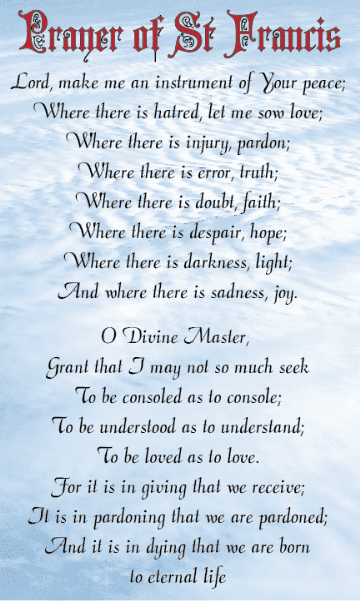
St. Francis of Assisi: A Life of Compassion and Devotion

St. Francis of Assisi, born Giovanni di Pietro di Bernardone in 1181 or 1182 in Assisi, Italy, was a remarkable figure whose life and work continue to inspire millions around the world. Known for his remarkable humility, love for all of God’s creation, and dedication to poverty and simplicity, St. Francis left an indelible mark on the Catholic Church and the world at large.

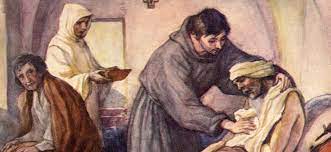
Born into a wealthy family, St. Francis enjoyed a life of privilege and abundance. However, his encounters with poverty and suffering profoundly impacted him. Following a brief military career, Francis experienced a spiritual awakening and began to dedicate himself to a life of service to God and humanity. Renouncing his material possessions, he embraced a life of poverty and committed himself to rebuilding local churches and aiding the poor.

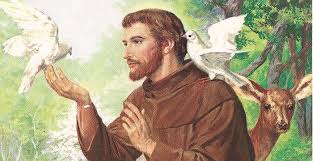
One of the defining aspects of St. Francis’ life was his deep connection with nature and all living beings. He saw the divine presence in every aspect of creation and treated all creatures, from the smallest insects to birds and animals, as his brothers and sisters. This profound love for nature is exemplified in the famous “Canticle of the Sun,” a poetic prayer attributed to St. Francis that praises God for the beauty and harmony of creation.

St. Francis’ unwavering commitment to poverty and simplicity attracted like-minded individuals, and in 1209, he founded the Order of Friars Minor, commonly known as the Franciscan Order. The order, based on the principles of poverty, humility, and service, sought to emulate the life of Christ and spread His teachings through example. The Franciscans quickly gained popularity, and their influence spread throughout Europe and beyond, leaving an indelible mark on the Church.

In 1224, St. Francis received the stigmata, the wounds of Christ, which he bore until his death. This mystical occurrence solidified his reputation as a saint and further deepened his devotion to Christ’s suffering. After his passing in 1226, St. Francis was canonized as a saint by Pope Gregory IX, recognizing his exceptional piety and contribution to the Church. St. Francis’ legacy extends far beyond his lifetime. His teachings on poverty, compassion, and reverence for nature continue to resonate with individuals seeking a deeper understanding of spirituality and a more harmonious relationship with the world. The Franciscan Order remains active and influential, with its members dedicating themselves to helping the disadvantaged and protecting the environment.

St. Francis’ radical approach to poverty challenged societal norms and continues to inspire individuals to examine their own relationship with material wealth. By embracing a life of simplicity and detachment from worldly possessions, he emphasized the importance of spiritual wealth over material abundance. His example encourages us to question our own attachments and to consider how we can cultivate a deeper sense of gratitude and contentment in our lives. Moreover, St. Francis’ love for all of God’s creation and his recognition of the interconnectedness of all living beings hold great relevance in today’s world. In an era marked by environmental challenges and ecological crises, his teachings on stewardship and reverence for nature offer a timely and profound message.

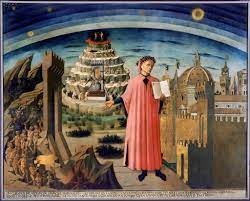
St. Francis saw the earth as a sacred gift, deserving of respect and care, and he called on all individuals to take responsibility for its preservation. His eco-centric spirituality serves as a potent reminder of the importance of harmony with the natural world. The impact of St. Francis’ life and work extends beyond the realm of spirituality. His influence can be seen in various fields such as literature, art, and social justice movements. Countless literary works, including Dante Alighieri’s “Divine Comedy,” feature St. Francis as a symbol of purity and virtue. Artists through the centuries have depicted his encounters with nature, the stigmata, and his acts of compassion, capturing the essence of his life in their creations. Additionally, St. Francis’ commitment to serving the marginalized and his emphasis on social justice continue to inspire individuals and organizations dedicated to addressing inequality and promoting the dignity of all human beings.

His teachings on humility, compassion, and environmental stewardship resonate with people from different walks of life, inviting us to reflect on our own values and actions. St. Francis’ life serves as an inspiration, challenging us to embrace a more compassionate and ecologically conscious way of living. As we strive to follow his example, we can contribute to a world where love, peace, and harmony prevail.

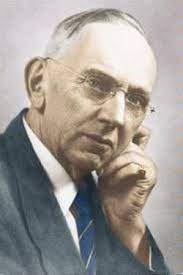
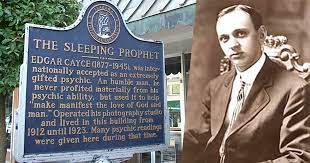
Edgar Cayce: The Sleeping Prophet

Edgar Cayce, widely known as the Sleeping Prophet, was a remarkable figure whose life and work left an indelible mark on the field of spiritual exploration and alternative medicine. Born in 1877 in Hopkinsville, Kentucky, Cayce possessed extraordinary psychic abilities that allowed him to access profound knowledge while in a self-induced trance state. Join me as we delve into the life and work of Edgar Cayce, highlighting his unique contributions and enduring impact on the realms of spirituality and holistic healing.

Edgar Cayce grew up in a humble farming family, displaying exceptional sensitivity and curiosity about the spiritual realm from an early age. At the age of 20, Cayce experienced a transformative event that would shape the rest of his life. During a self-induced trance, he found himself able to provide medical insights and remedies for a close friend. This marked the beginning of Cayce’s journey as a renowned psychic, earning him the moniker “The Sleeping Prophet.”

One of the defining aspects of Edgar Cayce’s work was his ability to enter a trance-like state and channel information from a higher consciousness. These sessions, commonly referred to as the “Cayce Readings,” covered a vast array of subjects, including holistic healing, spiritual growth, Atlantis, past lives, and the nature of the universe. Cayce’s readings attracted people from all walks of life seeking guidance and healing. His insights often provided detailed information about the root causes of ailments and offered personalized remedies for each individual.

Edgar Cayce’s readings on health and healing revolutionized the field of holistic medicine. Unlike the prevailing medical practices of his time, Cayce emphasized the interconnectedness of the mind, body, and spirit. His holistic approach considered an individual’s physical, emotional, and spiritual well-being as integral components of overall health. Cayce’s readings often recommended natural remedies, dietary changes, and lifestyle adjustments to restore balance and promote healing. Many of his suggestions, such as the use of castor oil packs, hydrotherapy, and dietary modifications, predated modern holistic health practices. Today, Cayce’s holistic principles continue to inspire and guide practitioners and individuals seeking alternative approaches to wellness.

Edgar Cayce’s readings not only provided practical guidance for healing but also offered profound spiritual insights. He explored profound topics like the nature of the soul, the purpose of life, and the interconnectedness of all beings. Cayce’s metaphysical teachings emphasized the power of thoughts, the importance of personal growth, and the concept of karma. His ideas resonated with many individuals seeking spiritual enlightenment and a deeper understanding of their existence. Cayce’s teachings conveyed a universal message of love, compassion, and unity, fostering a sense of interconnectedness among people of various religious and philosophical backgrounds.

Edgar Cayce’s impact extended far beyond his lifetime. His work has inspired numerous authors, researchers, and practitioners who continue to explore and expand upon his insights. The Association for Research and Enlightenment (A.R.E.), founded in 1931, preserves and disseminates the vast collection of Cayce’s readings. The A.R.E. remains a hub for research, education, and spiritual exploration, carrying forward Cayce’s legacy. Furthermore, Cayce’s influence has permeated various disciplines, including psychology, alternative medicine, and philosophy. His holistic approach to healing and his teachings on the interconnectedness of mind, body, and spirit have influenced countless individuals and shaped the development of alternative therapies. The enduring appeal of Edgar Cayce’s work lies in its universal relevance and practical application. His readings continue to provide solace, guidance, and healing to individuals seeking answers to life’s most profound questions. Cayce’s emphasis on personal responsibility, self-awareness, and spiritual growth resonates with those on a quest for self-discovery and personal transformation.

Edgar Cayce, the Sleeping Prophet, made significant contributions to the realms of spirituality and holistic healing. Through his unique abilities and trance-like readings, he provided profound insights into health, spirituality, and the human experience. Cayce’s holistic approach and metaphysical teachings continue to inspire and guide individuals on their personal journeys of healing and self-discovery. His enduring legacy serves as a reminder of the boundless potential of the human mind and spirit to explore the mysteries of existence.

The Enigmatic Passage – A Short Tale of the Paranormal

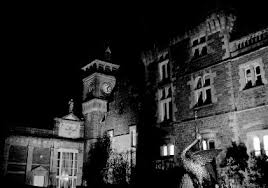
Craig y Nos Haunted Castle, nestled amidst the serene Welsh countryside, has long captivated the imagination of those seeking tales of mystery and the supernatural. The haunting chronicles of this legendary castle introduce us to a spine-tingling secret: a hidden passage that winds its way through the castle’s ancient walls. We will delve into the enigmatic secrets concealed within this secret passage, exploring its historical significance, the eerie legends surrounding it, and the thrill of discovery that awaits those brave enough to venture through its ancient corridors.

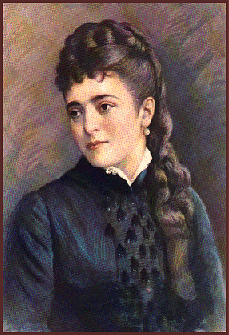
To truly appreciate the allure of the secret passage at Craig y Nos Haunted Castle, we must first understand its historical context. Built-in the 19th century, the castle served as the private residence of renowned opera singer Adelina Patti. The secret passage, believed to have existed even before her time, perhaps originally built by Captain Rice-Powell Davies or even Morgan Morgan, but whoever did, it holds a fascinating link to the castle’s past. The secret passage of Craig y Nos Haunted Castle has become a breeding ground for legends and supernatural tales. Whispers of ghostly apparitions and unexplained phenomena have shrouded the passage in an aura of mystery. Locals and visitors alike recount stories of ethereal figures gliding through the shadows, disembodied whispers echoing in the silence, and cold drafts that send shivers down one’s spine.

It is said that the passage holds the key to unlocking the secrets and unsettled spirits that reside within the castle’s walls. For the intrepid souls who dare to explore the secret passage, a thrilling adventure awaits. As one steps into the dimly lit corridor, the air becomes heavy with anticipation. The passage winds its way through concealed nooks and crannies, revealing hidden chambers and forgotten rooms. Each step forward unravels the castle’s enigmatic past, transporting explorers to a bygone era. The passage’s narrow walls, worn with age, whisper tales of the countless souls who once traversed its path. One can almost hear the echoes of footsteps from centuries past as if the spirits of the castle’s inhabitants still roam its ancient halls.

The darkness and secrecy of the passage lend an air of trepidation, heightening the senses and inviting contemplation of the unknown. The secret passage at Craig y Nos Haunted Castle stands as a testament to the enduring allure of the supernatural. Its historical significance, intertwined with legends and ghostly lore, evokes a sense of intrigue and captivation. The thrill of discovery beckons the curious souls who seek to uncover the secrets hidden within its walls. Whether it be the remnants of forgotten tales or the whispers of spirits long departed, the secret passage at Craig y Nos Haunted Castle continues to weave an enchanting web of mystery and adventure for those who dare to enter its realm.

A Tale from a Desolate Park Bench

In the tranquil embrace of a sun-kissed park, a young girl sat alone on a weathered wooden bench, her heart burdened by an overwhelming sadness. The world around her was oblivious to her anguish, until an unexpected visitor arrived, perching gracefully on the bench beside her. It was a raven, its ebony feathers glistening in the golden light. With a voice both curious and compassionate, it broke the silence, asking,

“Tell me what it is that ails you?”

Thus began a poignant exchange that would forever alter the girl’s perspective on life and healing. Upon hearing the raven’s unexpected inquiry, the girl was momentarily taken aback. She had grown accustomed to her sorrow being a solitary burden, hidden from the prying eyes of the world. Yet, the raven’s penetrating gaze seemed to see beyond her facade, stirring a flicker of hope within her heart. With a voice trembling from the weight of her emotions, she confided in the raven, sharing her tale of loss, heartbreak, and shattered dreams.

As the girl poured out her anguish, she found solace in the raven’s presence. It listened attentively, its eyes reflecting empathy and understanding. The raven, wise and perceptive, spoke words that resonated deeply within the girl’s soul. It shared stories of resilience and transformation, recounting how the darkest of nights can give birth to the brightest of dawns. Through its tales, the raven gently nudged the girl to view her sadness not as an end but as a catalyst for growth and self-discovery. Encouraged by the raven’s words, the girl began to see the park in a new light. The vibrant hues of the flowers, the gentle rustling of leaves, and the symphony of birdsong became a testament to the resilience of life itself. She marveled at how nature, like her own wounded heart, could weather storms and emerge stronger and more beautiful than before.

As the days turned into weeks, the girl’s bond with the raven deepened. It became her steadfast companion, offering guidance and encouragement whenever doubt threatened to overshadow her newfound hope. Together, they explored the park’s hidden treasures, discovering the simple joys that had eluded her during her darkest hours. With each passing day, the girl’s sadness gradually transformed into a quiet strength. She found solace not only within herself but also in the belief that healing was a journey, and scars were a testament to one’s resilience. The raven’s initial question, “Tell me what it is that ails you?” had sparked a profound metamorphosis within her, awakening her spirit and helping her embrace the inherent beauty of life’s ebb and flow. The raven’s wisdom and empathy served as a guiding light, leading her out of the shadows of sadness and into the realm of hope and healing. As the girl rose from the bench, her spirit lifted by the weightlessness of newfound wisdom, she bid farewell to her avian confidant. The raven took flight, disappearing into the vast expanse of the sky, leaving behind a sense of gratitude and a heart brimming with a renewed sense of purpose.

And so, the story of the girl on the park bench and the compassionate raven lived on, whispered among the trees and carried by the wind. It served as a reminder that even in our darkest moments, there is always a glimmer of hope, a chance encounter, or a wise companion that can guide us toward healing and transformation. In the end, the girl’s sadness had not been erased but rather transformed into a source of strength and resilience. And whenever she found herself sitting on that park bench, she would look up at the sky, grateful for the raven’s intervention, and whisper,

“Thank you for helping me find my wings.”

Written by Lazarus Carpenter with Illustration by Gill Brooks

https://www.gillsplace.com

Swift Arrow Books Llyfrau Saeth Gyflym – swiftarrowbooksltd.co.uk