A Short Guide to Crafting Engaging Short Stories

Introduction

Writing short stories is a captivating and challenging art form that allows writers to deliver powerful narratives in a concise format. Whether you are a seasoned writer or a novice exploring the craft, mastering the art of short story writing requires a unique set of skills and techniques. Here, I offer a guide on writing compelling short stories to captivate readers and leave a lasting impact.

Understanding the Elements of a Short Story

Before delving into the writing process, it is essential to understand the key elements that constitute a successful short story. These elements include characters, setting, plot, point of view, theme, and style. Characters bring the story to life, while the setting establishes the backdrop against which the narrative unfolds. The plot drives the story forward, the point of view determines the perspective from which the story is told, and the theme conveys the underlying message or moral of the story. Style refers to the author’s unique voice and writing techniques that shape the narrative.

Crafting a Compelling Narrative

Begin by brainstorming ideas for your short story. Consider what message or emotion you want to convey to your readers. Develop well-rounded characters with distinct personalities, motivations, and conflicts. Create a compelling setting that enhances the mood and atmosphere of your story. Structure your plot with a clear beginning, middle, and end, ensuring each scene contributes to the overall narrative arc.

Choosing the Right Point of View

Selecting the appropriate point of view is crucial in shaping the reader’s story experience. First-person point of view allows readers to immerse themselves in the protagonist’s thoughts and emotions, creating a sense of intimacy. The third-person point of view provides a broader perspective and allows for multiple character viewpoints. Experiment with different points of view to determine which one best serves your story.

Exploring Themes and Symbols

Themes add depth and complexity to your short story by addressing universal truths or exploring specific topics. Consider the message you want to convey and weave it organically throughout the narrative. Symbols can enhance your story’s thematic elements by representing abstract ideas or concepts. Use symbols sparingly and ensure they contribute to the story’s overall meaning.

Mastering the Art of Dialogue

Dialogue is crucial in advancing the plot, developing characters, and creating tension in your short story. Craft realistic dialogue that reveals character motivations, conflicts, and relationships. Pay attention to the dialogue’s rhythm, pacing, and tone to maintain the reader’s engagement.

Revising and Editing Your Story

Once you have completed your short story’s first draft, revise and edit it thoroughly. Focus on refining the plot, strengthening character development, and polishing the prose. Attention to grammar, punctuation, and sentence structure to ensure clarity and coherence. Consider seeking feedback from peers or writing groups to gain fresh perspectives on your story.

Conclusion

Writing short stories is both an art and a craft that requires dedication, creativity, and skill. By understanding the key elements of storytelling, crafting compelling narratives, choosing the right point of view, exploring themes and symbols, mastering dialogue, and revising your work diligently, you can create engaging short stories that resonate with readers. Embrace the creative process, experiment with different techniques, and allow your unique voice to shine through in your writing. With practice and perseverance, you can hone your storytelling skills and create impactful short stories that leave a lasting impression.

Finally, you should enjoy the process, have fun, and create joyfully.

Lazarus Carpenter

The Power of Punctuation: Enhancing Communication Through Symbols

Introduction

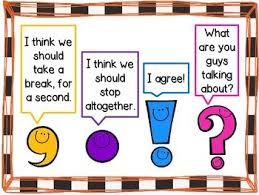
Punctuation marks are the unsung heroes of written language, playing a crucial role in shaping our communication and giving meaning to our words. From the humble comma to the commanding exclamation point, these symbols wield great power in guiding readers through the intricacies of language. In this short essay, we will explore the importance of punctuation in enhancing clarity, tone, and overall effectiveness of written communication.

Importance of Punctuation in Clarity

Punctuation marks serve as signposts in written language, guiding readers through the flow of ideas and helping to clarify meaning. Consider the difference between “Let’s eat, Grandma!” and “Let’s eat Grandma!” The simple addition of a comma changes the entire meaning of the sentence, highlighting the importance of proper punctuation in avoiding misunderstandings and misinterpretations. Whether distinguishing between lists of items, indicating pauses in speech, or setting off quotations, punctuation marks are essential for ensuring clear and coherent communication.

Enhancing Tone and Emphasis

Beyond clarifying meaning, punctuation marks also play a vital role in conveying tone and emphasis in written language. A well-placed exclamation point can add excitement or urgency to a sentence, while a question mark can invite curiosity or uncertainty. Using ellipses can create a sense of suspense or trailing off, while dashes can signal abrupt thought changes. By harnessing the power of punctuation, writers can imbue their words with nuance and emotion, enriching the reader’s experience and strengthening the impact of their message.

Improving Readability and Engagement

Effective use of punctuation can enhance the readability of written text, making it easier for readers to navigate complex ideas and follow the author’s train of thought. By breaking up long sentences with commas, semicolons, and periods, writers can create a rhythm that engages the reader and maintains their interest. Proper punctuation also helps to structure writing, organize information into logical units and guide the reader through the text. In this way, punctuation is a tool for writers to craft compelling narratives and persuasive arguments that resonate with their audience.

Conclusion

In conclusion, punctuation marks are indispensable tools for writers, enabling them to communicate clearly, convey tone and emphasis, and engage readers effectively. Punctuation is a tool that allows us to organize our thoughts and make it easier to review and share our ideas. The standard English punctuation is as follows: period, comma, apostrophe, quotation, question, exclamation, brackets, braces, parenthesis, dash, a hyphen, ellipsis, colon, and semicolon. By mastering the art of punctuation, writers can elevate their writing to new heights, capturing the nuances of language and wielding the power of symbols to shape meaning and emotion. As we continue to navigate the vast landscape of written communication, let us not overlook the humble punctuation mark, for in its careful placement lies the key to unlocking the full potential of our words.

A Tale of Solitude and Companionship

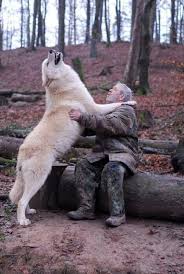
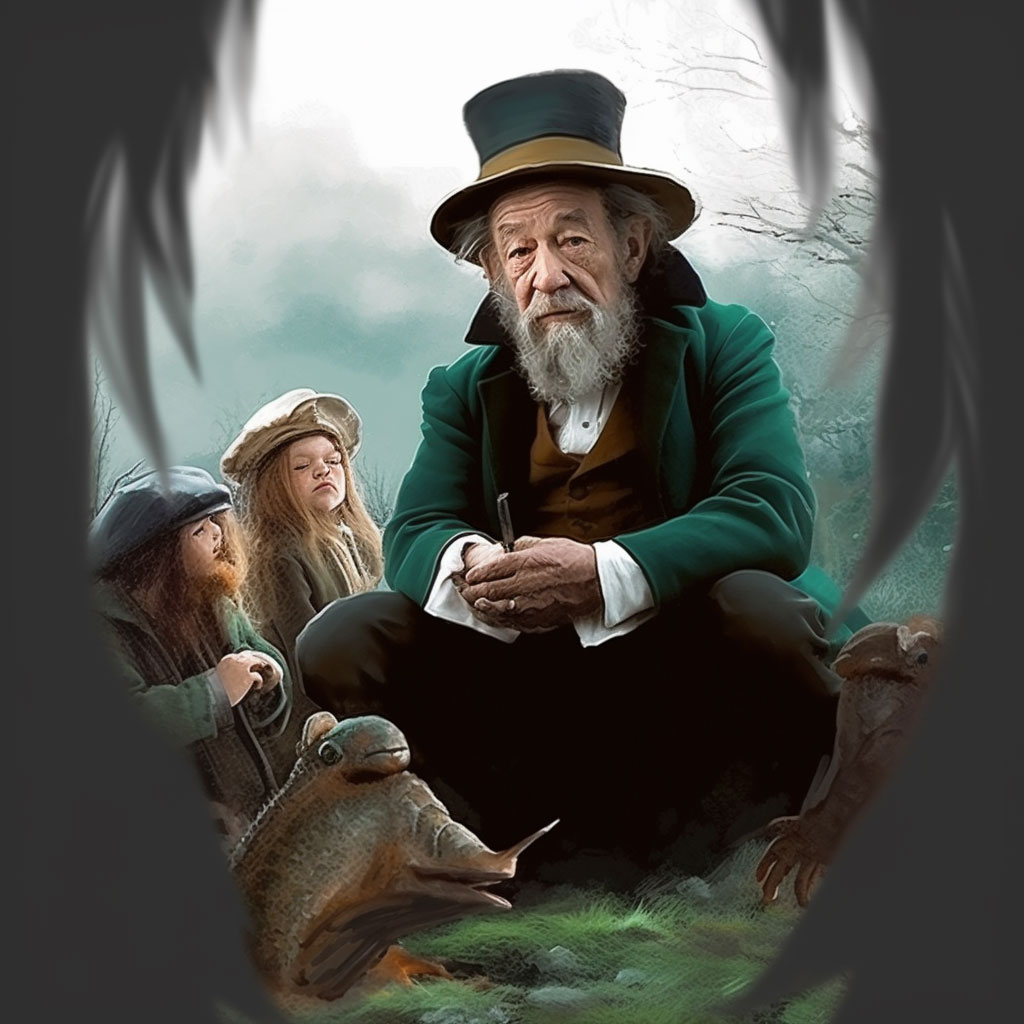
In the serene depths of a dense forest, there lived a hermit who had chosen a life of solitude and contemplation. His humble abode was a small, rustic cabin nestled amidst towering trees, far removed from the hustle and bustle of the outside world. The hermit spent his days in quiet reflection, finding solace in the whispers of the wind and the gentle rustling of leaves. One day, as the hermit gathered firewood in the woods, he stumbled upon a peculiar sight—a lone wolf cub, abandoned and whimpering softly. The hermit’s heart was compassionate, and he took the young wolf under his care without hesitation. He named the cub Fenrir after the mythical wolf of Norse legend. Fenrir grew into a magnificent creature as the days turned into weeks and months, his wild spirit tempered by the hermit’s gentle guidance. The hermit and the wolf became inseparable companions, their bond forged through mutual respect and understanding. Fenrir would accompany the hermit on his daily walks through the forest, his keen senses alert to potential dangers. Despite their natural differences, the hermit and Fenrir found solace in each other’s company. The hermit shared his wisdom with the wolf, teaching him the ways of the forest and the importance of living in harmony with nature. In return, Fenrir offered the hermit unwavering loyalty and companionship, his fierce loyalty a testament to the strength of their bond. As the years passed, the hermit grew old and frail, his once steady steps now slow and unsteady. Now a fully grown wolf, Fenrir remained by his side, offering his silent support and comfort. In the twilight of his life, the hermit found solace in the presence of his faithful companion, knowing that he was never truly alone. When the hermit passed away, Fenrir mourned his loss with a haunting howl echoing through the forest, a tribute to their bond. Fenrir remained by the hermit’s grave in the following days, a silent sentinel guarding his final resting place. The tale of the hermit and the dog-wolf spread through the forest, a reminder of the enduring power of friendship and companionship.

Their story served as a beacon of hope in a world filled with noise and distractions, highlighting the beauty found in the simplest of connections. As the sun set on the forest, casting long shadows across the trees, Fenrir remained by the hermit’s grave, his golden eyes filled with sadness and gratitude. In that moment, the hermit and the wolf were united once more, their spirits intertwined in a timeless bond that transcended the boundaries of this world. In conclusion, the story of the hermit and the dog-wolf is a testament to the transformative power of companionship and a true friend’s profound impact on our lives. It serves as a reminder that even in the depths of solitude, we can find solace and connection in unexpected places if only we are open to the possibility.

The Daily Visitor

Every day, as the first light of dawn painted the sky in hues of pink and gold, a man made his way to the tranquil waterside where a beaver had made its home. This man, whose name was Jack, felt a deep connection to nature and found solace in the rhythmic flow of the river and the gentle rustling of the leaves. The beaver, a creature of industriousness and determination, had built a magnificent dam that spanned the river’s width. Jack admired the beaver’s craftsmanship and dedication, seeing in it a reflection of his values of hard work and perseverance. At first, the beaver eyed Jack warily, unsure of this new visitor who came to sit quietly by the water’s edge each day. But as time passed, the two beings seemed to develop a silent understanding. Jack would watch in fascination as the beaver went about its daily activities, gathering sticks and mud to strengthen its dam, and the beaver, in turn, seemed to accept Jack’s presence without fear. Jack noticed subtle changes in the beaver’s behaviour as the days turned into weeks and months. Once so cautious and reserved, the beaver approached him curiously as if seeking to understand this human who showed such a deep appreciation for its work. Their daily encounters became a ritual, a quiet communion between two creatures from different worlds. Jack would bring a small offering of nuts or berries, which he would leave by the water’s edge, and the beaver would sometimes come closer, its dark eyes fixed on Jack with a mixture of caution and trust. In the stillness of those early mornings, with only the sounds of the river and the rustling leaves for company, Jack found a sense of peace that he had never experienced before. His daily visits to the waterside became a source of comfort and joy, a reminder of the beauty and resilience of the natural world.

And so, the man and the beaver continued their silent companionship, bound together by an unspoken bond that transcended words. In their shared moments of quiet contemplation, they found a kind of harmony that spoke to the interconnectedness of all living things, a harmony that both nourished the soul and renewed the spirit. As the seasons changed and the days grew shorter, Jack knew that their time together was drawing to a close. Sensing the shift in the air, the beaver seemed to linger by the water’s edge a little longer each day as if reluctant to say goodbye. And then, one day, as the first snowflakes began to fall, Jack arrived at the waterside to find the beaver gone. The dam stood silent and still, a testament to the beaver’s industry and determination, but it was nowhere to be seen. For a moment, Jack felt a pang of sadness at the absence of his silent companion, but then he smiled, knowing that their brief but profound connection would stay with him always. As he turned to leave, he whispered a silent thank you to the beaver for teaching him the true meaning of friendship and the beauty of sharing a moment of quiet contemplation with a creature of the wild. In the end, the man and the beaver had found in each other a kindred spirit, a fellow traveller on life’s journey,

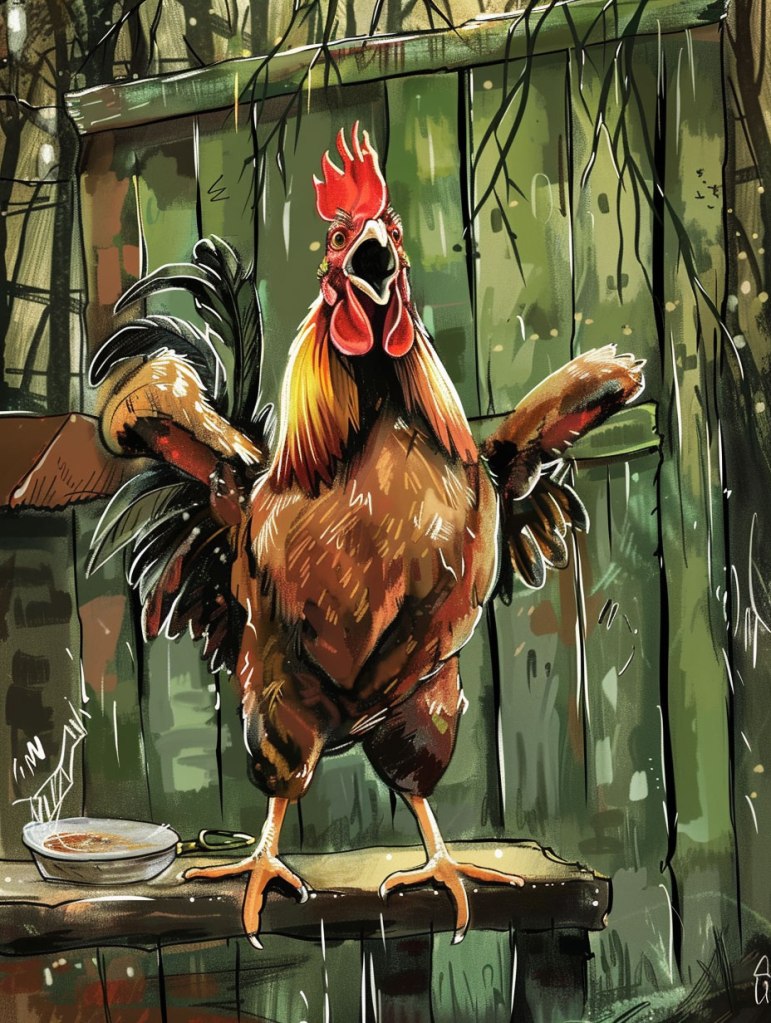
The Transformation of Grumpy the Rooster: A Tale of Morning Coffee

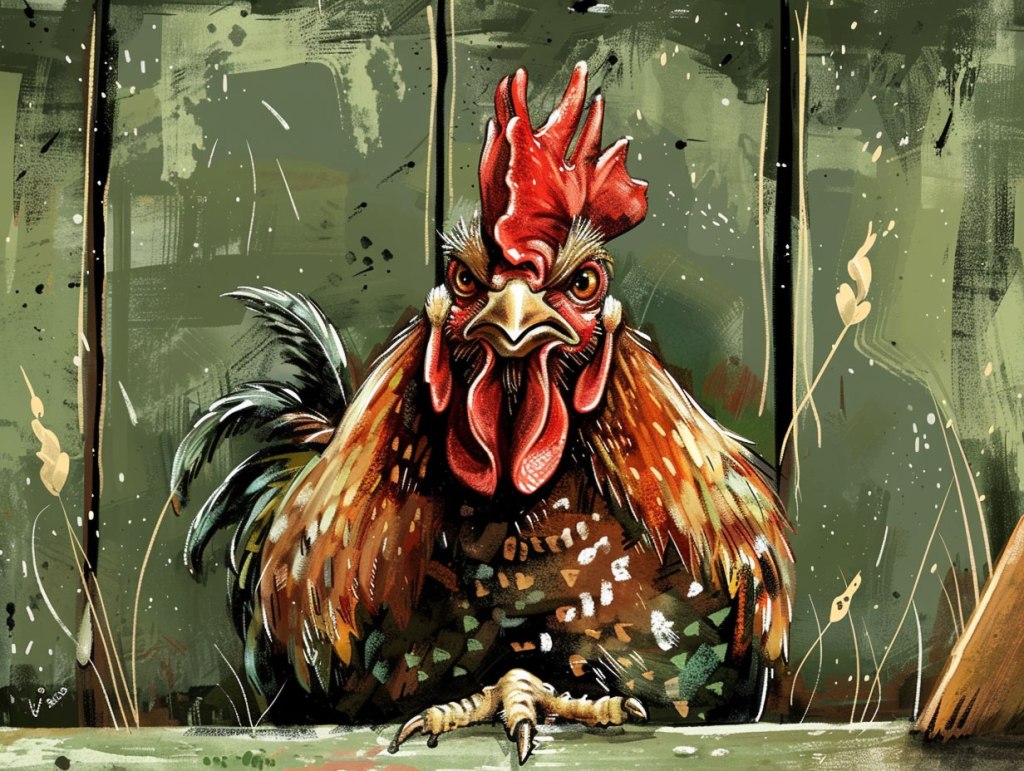
Once upon a time, a rooster named Grumpy lived on a quaint little farm nestled in the rolling hills of the countryside. Grumpy was not your ordinary rooster; he was known for being the grumpiest rooster on the farm. Every morning, without fail, Grumpy would emerge from his coop with a scowl on his face and a bad temper that could be felt by all the animals around him.

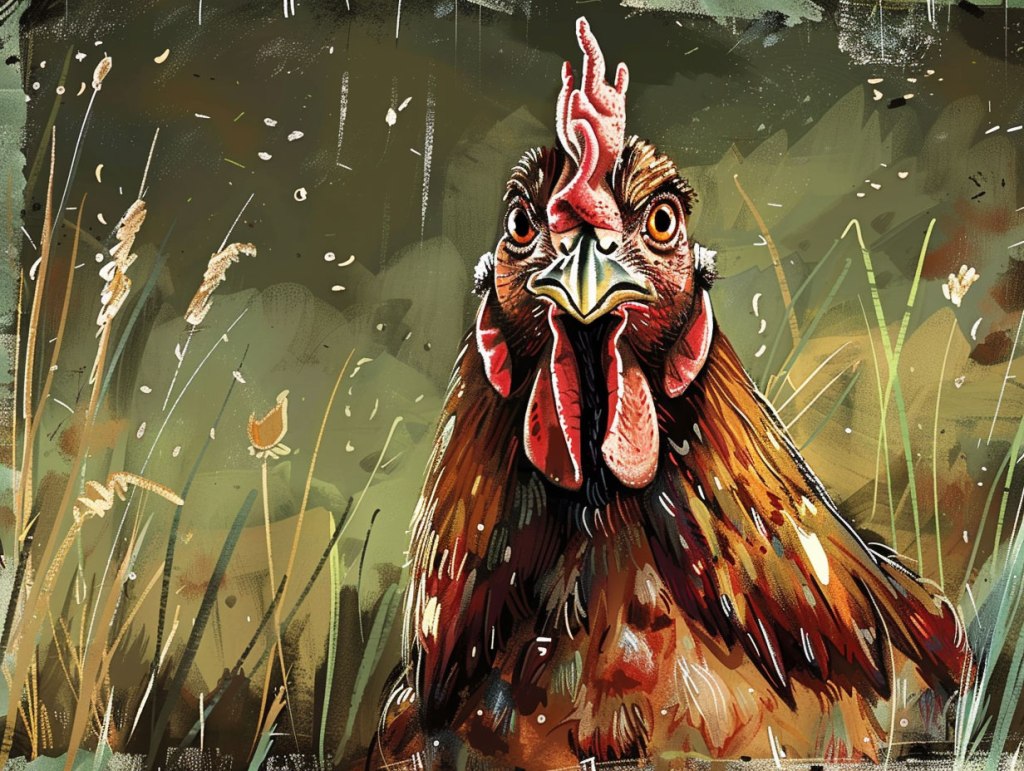
The other farm animals often joked that Grumpy must have woken up on the wrong side of the roost as he would strut around the farmyard, squawking and pecking at anyone who dared to come too close. His feathers were always ruffled, and his eyes glared fiercely, making even the bravest of hens think twice before crossing his path. Despite his grumpy demeanour, Grumpy was a beloved member of the farm, as his crowing served as the alarm clock for everyone to start their day.

However, the other animals couldn’t help but wonder what made Grumpy so perpetually bad-tempered, especially in the mornings. One day, a wise old owl named Oliver approached Grumpy and asked him why he was always so grumpy in the mornings. Grumpy, taken aback by the question, paused momentarily before replying,

“I don’t know, I just feel this way when I wake up. Maybe I need something to perk me up.”

With a knowing twinkle in his eye, Oliver suggested that Grumpy try a cup of coffee in the morning to see if it would help improve his mood. Grumpy, intrigued by the idea, decided to try it the next morning. The following day, as the first light of dawn broke over the horizon, Grumpy made his way to the farmhouse where the kind farmer had left out a steaming cup of coffee for him. Hesitant at first, Grumpy took a sip of the hot, aromatic brew and felt a warmth spread through his body. To everyone’s amazement, as Grumpy drank his coffee, his scowl softened, and his feathers seemed to smooth down. A sense of calm washed over him, and for the first time in as long as anyone could remember, Grumpy let out a contented cluck instead of a furious squawk.

From that day on, Grumpy’s reputation as the grumpiest rooster on the farm began to fade. The other animals marvelled at the transformation that had taken place in their once cantankerous friend, and they all agreed that a cup of morning coffee was just what Grumpy needed to start his day on the right foot. And so, the tale of Grumpy the Rooster became a legend on the farm, a story of how a simple cup of coffee could turn even the grumpiest of creatures into a beacon of cheerfulness and goodwill. And as the sun rose each morning, casting its golden light over the farmyard, Grumpy would stand tall and proud, ready to greet the day with a newfound sense of joy and optimism, all thanks to his morning coffee.

Images by Gill Brooks http://www.gillsplace.com