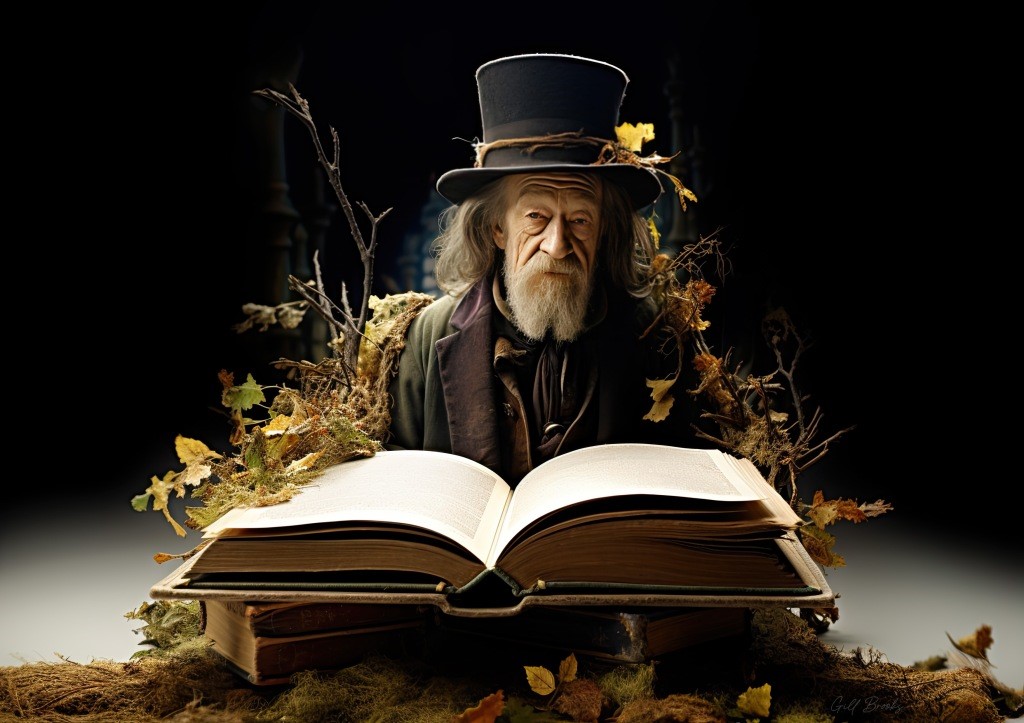
Murder at Midnight

The clock struck midnight in the small town of Ravenwood, and a chilling scream pierced the tranquil night. The townsfolk awoke to find chaos unfolding at the old mansion on the hill. The wealthy and reclusive Mr. Montgomery had been found murdered in his study, his lifeless body sprawled across the floor. Detective Jameson, the town’s seasoned investigator, arrived at the scene to begin his investigation. The room was in disarray, papers scattered, and the window wide open, letting in the cool night air. The clock on the mantel had stopped at midnight, frozen in time, just like the victim.

As Detective Jameson surveyed the room, he noticed a trail of muddy footprints leading from the window to where the body lay. He examined the body closely and found a small scrap of fabric clenched in the victim’s hand, a clue left behind in his final moments. The detective questioned the household staff and Mr. Montgomery’s estranged family, each member casting suspicion on the others. Tensions ran high as dark secrets began to surface, revealing a web of deceit and betrayal that entangled everyone in the mansion. As the night wore on, Detective Jameson pieced together the events leading up to the murder. He uncovered a love affair, a hidden inheritance, and a long-standing grudge that had festered for years. The motive for the murder was clear, but the killer’s identity remained a mystery. Just as the first light of dawn began to break, Detective Jameson called everyone together in the study. With a dramatic flourish, he revealed the murderer’s identity, pointing to the guilty party standing among them.

The killer’s face twisted in shock and desperation as they were led away in handcuffs, their dark secrets laid bare for all to see. The town of Ravenwood breathed a collective sigh of relief as justice was served, and the mystery of the Murder at Midnight was finally laid to rest. And so, the sun rose on a new day in Ravenwood, the town forever changed by the events of that fateful night when darkness fell and a murderer’s hand struck at midnight. 

Image by http://www.gillsplace.com

The Storyteller

Once upon a time, a young boy named Oliver lived in a small village nestled deep in the forest. Oliver was known for his quick wit and clever tongue, but his most extraordinary talent was his ability to spin a tale that would captivate anyone who listened. One day, while wandering through the woods, Oliver stumbled upon a mysterious old man sitting by a bubbling brook. The old man beckoned him closer and said,

“Young lad, I have a gift for you. Take this silver coin and remember this: with every lie you tell, the coin will grow in value. But beware, for if you ever speak the truth, the coin will lose its magic forever.”

Intrigued by the old man’s words, Oliver accepted the coin and returned to the village. From that day on, Oliver’s stories became more elaborate and fantastical. He regaled the villagers with tales of dragons, treasure, far-off lands, and magical creatures. With each lie he told, the silver coin in his pocket shone brighter and heavier. As time passed, Oliver’s reputation as a master storyteller spread far and wide. People came from near and far to hear his tales, and he basked in the adoration and attention that his lies brought him. But deep down, a seed of doubt began to grow within him. Was it worth sacrificing the truth for the sake of his own vanity?

One fateful day, as Oliver stood before a crowd of eager listeners, he felt the weight of the silver coin pressing against his chest. And in that moment, he knew what he had to do. With a heavy heart, he spoke the words that shattered the spell:

“I have lied to you all. My tales are nothing but fabrications, born from my own imagination.”

As soon as the truth left his lips, the silver coin in his pocket turned to dust, and the old man’s words echoed in his mind. The villagers gasped in disbelief; their trust in Oliver shattered. From that day on, the once-great storyteller was shunned and scorned, left to wander the forest alone with only his regret as company. And so, the boy who could spin a tale like no other learned that even the most captivating lie cannot compare to the value of the truth. The neverending lie had ended, leaving only a cautionary tale for those who would dare to deceive. 

Images by http://www.gillsplace.com

Shadows of the Waterfall

In the serene countryside, where the whispers of the wind danced with the rustling leaves, there was a hidden waterfall known only to a select few. Its cascading water shimmered like liquid silver under the moonlight, casting a spell of tranquillity over the surrounding forest. One fateful night, the peaceful aura of the waterfall was shattered by a chilling scream that echoed through the trees. The following day, the villagers awoke to a grim discovery, a body lying lifeless at the foot of the waterfall, the water stained crimson with blood. Rumours spread like wildfire through the village, each whisper more sinister than the last. Some said it was an accident, that the victim had slipped and fallen to their tragic end. Others claimed it was an act of foul play, a murder most foul committed under the cloak of darkness.

Detective Elena, a young and tenacious investigator, arrived at the scene to unravel the mystery shrouding the waterfall. With a keen eye and a sharp mind, she began to piece together the puzzle fragments, questioning witnesses and scouring the area for clues. As she delved deeper into the investigation, the shadows hiding the secrets of the waterfall began to unravel. Hidden motives and buried grudges came to light, revealing a tangled web of deceit and betrayal among the villagers. Each suspect held a piece of the truth, but none were willing to reveal the whole story. It was only through perseverance and cunning that Detective Elena uncovered the identity of the killer, a man consumed by envy and driven to commit the ultimate act of violence.

In a dramatic confrontation at the waterfall, the killer’s dark deeds were brought to light, and justice was served. The once tranquil waters now bore witness to the tumultuous events that had unfolded in its midst, a reminder of the darkness that lurked beneath the surface of even the most serene places. As the sun set over the horizon, casting long shadows over the waterfall, Detective Elena stood silently contemplating. The case was closed, but the memory of the murder at the waterfall would forever linger in the hearts and minds of those who had witnessed its chilling aftermath. 

How to Use a Pendulum: A Guide to Unlocking Intuition

The pendulum has been a tool of divination and decision-making for centuries, captivating the minds of those interested in exploring the unknown. Beyond its mystical connotations, using a pendulum can also serve as a means of tapping into one’s intuition and enhancing decision-making skills. Here, I will explore the principles of using a pendulum, its applications, and tips for effective practice.

Understanding the Pendulum

A pendulum is typically a weighted object suspended from a fixed point, allowing it to swing freely back and forth. In divination, the pendulum often takes the form of a crystal or a metal weight attached to a string or chain. The pendulum operates on the principle of transferring energy, allowing the user to receive answers to questions based on the direction and motion of the pendulum’s swing.

Preparing to Use a Pendulum

Before diving into the practice, creating a conducive environment is essential. Find a quiet space where distractions are minimal. This tranquillity allows for better focus and clarity. Once the setting is established, choosing a pendulum that resonates with you is crucial. Whether a simple wooden pendulum or a beautifully crafted crystal, your connection with the tool will enhance its effectiveness.

Steps for Using a Pendulum

1. Establish a Connection: Hold the pendulum in your dominant hand, allowing it to hang freely. Take a moment to close your eyes and breathe deeply, focusing on your intention. This connection helps to align your energy with that of the pendulum.

2. Determine Your Yes and No Responses: To interpret the pendulum’s movements, first establish what direction indicates a “yes” and what means a “no.” You can do this by asking simple questions, such as, “Is my name [your name]?” Observe the pendulum’s swing; typically, a clockwise motion indicates “yes,” while a counterclockwise motion suggests “no.” However, this can vary, so it’s essential to establish your own meanings.

3. Ask Clear, Concise Questions: Clarity is critical when using a pendulum. Phrase your questions straightforwardly, avoiding ambiguity. For instance, instead of asking, “Will I be happy in the future?” try, “Will I find happiness in my career this year?”

4. Observe the Pendulum’s Movement: After posing your question, hold the pendulum still and observe its movement. Allow it to respond without force. The more relaxed you are, the more precise the response will be. Trust your intuition and understand that the pendulum is a conduit for your subconscious.

5. Record Your Results:

Keeping a journal of your pendulum sessions can provide valuable insights over time. Note the questions asked, the corresponding pendulum responses, and any intuitive feelings you experienced. This record can help you identify patterns and refine your practice.

Applications of Pendulum Use

The pendulum can be employed in various ways, making it a versatile tool. It can assist in decision-making, helping individuals weigh options more clearly. For instance, when faced with two job offers, a pendulum can provide guidance on which opportunity aligns better with your goals. Additionally, pendulums are often used in energy healing practices, where they can help identify areas of imbalance in the body’s energy field.

Tips for Effective Practice

Stay Grounded: Before each session, take a moment to ground yourself. This can be achieved through deep breathing or visualization techniques, ensuring you are centred and focused.

Practice Regularly: Like any skill, using a pendulum becomes more intuitive with practice. Regular sessions will enhance your ability to interpret the pendulum’s movements accurately.

Trust Your Intuition: The pendulum is a tool that amplifies your inner voice. Trusting your intuition will help you interpret the results more effectively.

Pendulums are versatile tools that can be applied in various contexts, from personal decision-making to holistic practices.

Below are some critical applications of pendulum use:

1. Decision-Making: Pendulums can assist individuals in making choices by providing clarity and direction. Users can pose specific questions to the pendulum when faced with multiple options, such as job offers, relationship decisions, or lifestyle changes. The direction and movement of the pendulum can help illuminate the best path forward, allowing for more informed choices.

2. Intuitive Guidance: Many people use pendulums to tap into their intuition. By asking questions that require personal insight, users can gain a deeper understanding of their feelings and motivations. This practice can enhance self-awareness and guide individuals in aligning their actions with their true desires.

3. Energy Healing: In holistic health practices, pendulums are often used to assess and balance energy fields. Practitioners may use pendulums to identify areas of imbalance in the body or aura. By observing how the pendulum reacts over different places, they can determine where healing may be needed and tailor their approach accordingly.

4. Dowsing: Pendulums are commonly employed in dowsing, a technique for locating water, minerals, or underground resources. Practitioners hold the pendulum above the ground, asking it to indicate the presence of specific materials. The pendulum’s movement can guide them to potential sources.

5. Spiritual Practices: Many spiritual seekers use pendulums for divination and connecting with higher consciousness. This practice often involves asking questions about spiritual growth, life purpose, or guidance from spiritual entities. The pendulum is a bridge, facilitating communication with the subconscious or spiritual realms.

6. Stress Relief and Mindfulness: Using a pendulum can be a mindful practice that encourages relaxation and focus. The rhythmic motion of the pendulum can serve as a meditative tool, helping individuals to reduce stress and centre their thoughts. This calming effect can enhance overall well-being.

7. Personal Reflection: Pendulums can facilitate personal reflection by helping users explore their thoughts and feelings about various aspects of life. By formulating questions about personal values, goals, and relationships, individuals can gain insights promoting personal growth and development.

Final Thoughts: Pendulum use has diverse applications, spanning decision-making, energy healing, and spiritual exploration. For practical guidance or introspective purposes, pendulums are potent tools that can enhance intuition and foster a deeper connection with oneself and the environment. By integrating pendulum practices into daily life, individuals can unlock new pathways for understanding, clarity, and personal growth. Embracing this ancient technique deepens one’s self-awareness and opens doors to a more intuitive and balanced existence.
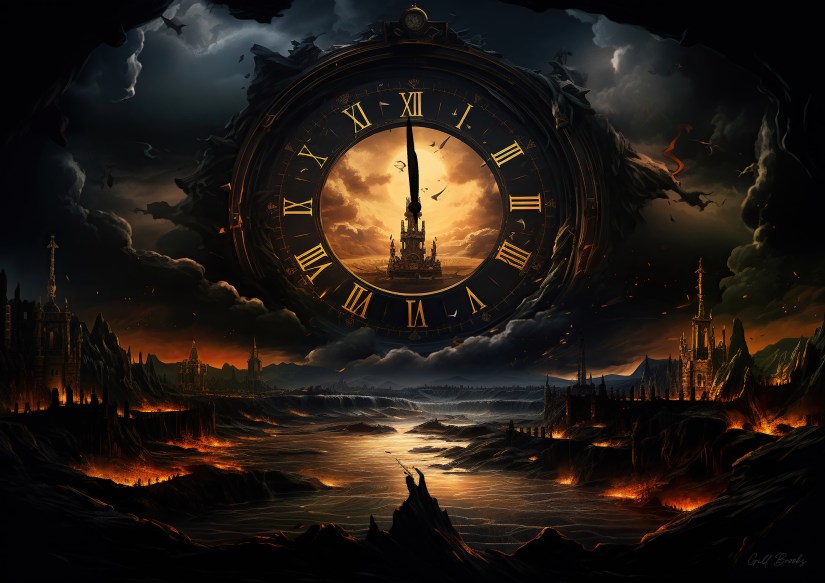
An Exploration of Chance and Meaning in Literature

Bibliomancy, the practice of using books, often sacred texts, as oracles, is a fascinating intersection of literature, spirituality, and chance. Bibliomancy is rooted in ancient traditions and invites readers to engage with texts in a deeply personal and often serendipitous manner. This essay explores the historical origins of bibliomancy, its cultural significance, and modern applications, highlighting how this art form transcends mere fortune-telling to reveal profound insights into the human experience.

Historical Origins

The term “bibliomancy” derives from the Greek words “biblion,” meaning “book,” and “manteia,” meaning “divination.” Its roots can be traced back to antiquity when various cultures employed texts for divination. In ancient Greece, the practice was often associated with the works of Homer, while medieval Europe linked it to the Bible. Opening a book randomly and interpreting the passage as guidance or insight became a popular spiritual exercise. In many traditions, bibliomancy was not merely a whimsical act but a deeply respected method of seeking divine wisdom. For instance, the practice was prevalent among Christian mystics, who would use the Bible to obtain messages from God. Similarly, Sufi traditions incorporated the Qur’an in a manner akin to bibliomancy, emphasizing the text’s sacredness and the mystical insights it could impart.

Cultural Significance

Bibliomancy bridges the mundane and the mystical, inviting practitioners to reflect on their circumstances through the lens of literature. It embodies the belief that texts possess a life of their own, capable of speaking to the reader’s current situation. This practice highlights the relationship between reader and text, emphasizing interpretation as a dynamic process. Culturally, bibliomancy has evolved to encompass a variety of texts beyond sacred scriptures, including literary works, poetry, and even contemporary novels. This expansion reflects a broader understanding of literature’s role in society, one that acknowledges the power of narrative to provide comfort, guidance, and insight.

Furthermore, bibliomancy can be seen as a form of interactive literature. When readers engage in this practice, they become active participants, co-creating meaning with the text. This interaction transforms the reading experience into a dialogue, allowing individuals to explore their thoughts and emotions through the words chosen by chance.

Modern Applications

In today’s fast-paced and often chaotic world, bibliomancy offers a unique form of introspection. Many people turn to this practice as a means of self-discovery to navigate personal dilemmas or seek clarity in decision-making. The randomness of bibliomancy can be comforting, providing a sense of surrender to the unknown while inviting readers to trust their intuition. The digital age has further democratized bibliomancy. With the advent of e-books and online platforms, readers can engage with texts from various traditions and genres at the click of a button. Mobile applications dedicated to bibliomancy have emerged, allowing users to access a wealth of literature and participate in this ancient practice without needing a physical book.

Conclusion

The art of bibliomancy is a rich tapestry woven from threads of history, culture, and personal introspection. Far from being a mere novelty, it invites readers to explore the depths of their thoughts and emotions through the serendipitous encounter with text. As both a spiritual practice and a literary engagement, bibliomancy exemplifies the profound connection between literature and the human experience. In a world increasingly dominated by technology and distraction, bibliomancy offers a moment of pause, reflection, and connection to the timeless wisdom contained within the pages of a book. Through this lens, we can appreciate the beauty of literature and its potential to illuminate our paths in unexpected ways. As an afterthought, this author feels there is no substitute for a real book in the hands of the reader. I cannot help feeling the physical link with the actual work enhances connection, the hidden energy we cannot see. The proof of the pudding is in the eating!

Image by http://www.gillsplace.com