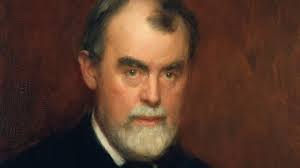
Samuel Butler (1835–1902) was an English novelist, essayist, and critic best known for his works that often explored themes of individuality and the conflict between human values and societal norms. He is particularly famous for his novel “Erewhon” (1872), which satirizes Victorian society and presents a utopian vision that critiques contemporary social and moral values. Butler was also an early advocate for evolutionary theory, and his ideas about evolution and its implications are evident in his writings. He wrote extensively on various topics, including religion, art, and literature, and is known for his keen observation and often unconventional views.
In addition to “Erewhon,” Butler’s other notable works include “The Way of All Flesh” (1903), a semi-autobiographical novel that examines the struggles between personal freedom and familial expectations. Throughout his life, Butler challenged the norms of his time, leaving a lasting impact on literature and thought. His life was marked by a blend of artistic ambition and a critical perspective on society, making him an important figure in Victorian literature.

 Lazarus Carpenter - Author