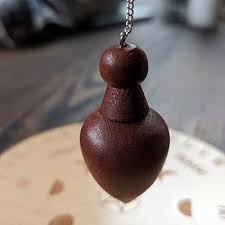
The pendulum has been a tool of divination and decision-making for centuries, captivating the minds of those interested in exploring the unknown. Beyond its mystical connotations, using a pendulum can also serve as a means of tapping into one’s intuition and enhancing decision-making skills. Here, I will explore the principles of using a pendulum, its applications, and tips for effective practice.
Understanding the Pendulum
A pendulum is typically a weighted object suspended from a fixed point, allowing it to swing freely back and forth. In divination, the pendulum often takes the form of a crystal or a metal weight attached to a string or chain. The pendulum operates on the principle of transferring energy, allowing the user to receive answers to questions based on the direction and motion of the pendulum’s swing.
Preparing to Use a Pendulum
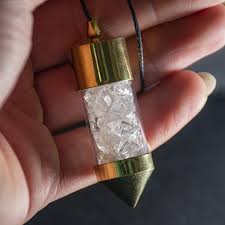
Before diving into the practice, creating a conducive environment is essential. Find a quiet space where distractions are minimal. This tranquillity allows for better focus and clarity. Once the setting is established, choosing a pendulum that resonates with you is crucial. Whether a simple wooden pendulum or a beautifully crafted crystal, your connection with the tool will enhance its effectiveness.

Steps for Using a Pendulum
1. Establish a Connection: Hold the pendulum in your dominant hand, allowing it to hang freely. Take a moment to close your eyes and breathe deeply, focusing on your intention. This connection helps to align your energy with that of the pendulum.
2. Determine Your Yes and No Responses: To interpret the pendulum’s movements, first establish what direction indicates a “yes” and what means a “no.” You can do this by asking simple questions, such as, “Is my name [your name]?” Observe the pendulum’s swing; typically, a clockwise motion indicates “yes,” while a counterclockwise motion suggests “no.” However, this can vary, so it’s essential to establish your own meanings.
3. Ask Clear, Concise Questions: Clarity is critical when using a pendulum. Phrase your questions straightforwardly, avoiding ambiguity. For instance, instead of asking, “Will I be happy in the future?” try, “Will I find happiness in my career this year?”
4. Observe the Pendulum’s Movement: After posing your question, hold the pendulum still and observe its movement. Allow it to respond without force. The more relaxed you are, the more precise the response will be. Trust your intuition and understand that the pendulum is a conduit for your subconscious.
5. Record Your Results:
Keeping a journal of your pendulum sessions can provide valuable insights over time. Note the questions asked, the corresponding pendulum responses, and any intuitive feelings you experienced. This record can help you identify patterns and refine your practice.
Applications of Pendulum Use
The pendulum can be employed in various ways, making it a versatile tool. It can assist in decision-making, helping individuals weigh options more clearly. For instance, when faced with two job offers, a pendulum can provide guidance on which opportunity aligns better with your goals. Additionally, pendulums are often used in energy healing practices, where they can help identify areas of imbalance in the body’s energy field.
Tips for Effective Practice
Stay Grounded: Before each session, take a moment to ground yourself. This can be achieved through deep breathing or visualization techniques, ensuring you are centred and focused.
Practice Regularly: Like any skill, using a pendulum becomes more intuitive with practice. Regular sessions will enhance your ability to interpret the pendulum’s movements accurately.
Trust Your Intuition: The pendulum is a tool that amplifies your inner voice. Trusting your intuition will help you interpret the results more effectively.
Pendulums are versatile tools that can be applied in various contexts, from personal decision-making to holistic practices.
Below are some critical applications of pendulum use:
1. Decision-Making: Pendulums can assist individuals in making choices by providing clarity and direction. Users can pose specific questions to the pendulum when faced with multiple options, such as job offers, relationship decisions, or lifestyle changes. The direction and movement of the pendulum can help illuminate the best path forward, allowing for more informed choices.
2. Intuitive Guidance: Many people use pendulums to tap into their intuition. By asking questions that require personal insight, users can gain a deeper understanding of their feelings and motivations. This practice can enhance self-awareness and guide individuals in aligning their actions with their true desires.
3. Energy Healing: In holistic health practices, pendulums are often used to assess and balance energy fields. Practitioners may use pendulums to identify areas of imbalance in the body or aura. By observing how the pendulum reacts over different places, they can determine where healing may be needed and tailor their approach accordingly.
4. Dowsing: Pendulums are commonly employed in dowsing, a technique for locating water, minerals, or underground resources. Practitioners hold the pendulum above the ground, asking it to indicate the presence of specific materials. The pendulum’s movement can guide them to potential sources.
5. Spiritual Practices: Many spiritual seekers use pendulums for divination and connecting with higher consciousness. This practice often involves asking questions about spiritual growth, life purpose, or guidance from spiritual entities. The pendulum is a bridge, facilitating communication with the subconscious or spiritual realms.
6. Stress Relief and Mindfulness: Using a pendulum can be a mindful practice that encourages relaxation and focus. The rhythmic motion of the pendulum can serve as a meditative tool, helping individuals to reduce stress and centre their thoughts. This calming effect can enhance overall well-being.
7. Personal Reflection: Pendulums can facilitate personal reflection by helping users explore their thoughts and feelings about various aspects of life. By formulating questions about personal values, goals, and relationships, individuals can gain insights promoting personal growth and development.
Final Thoughts: Pendulum use has diverse applications, spanning decision-making, energy healing, and spiritual exploration. For practical guidance or introspective purposes, pendulums are potent tools that can enhance intuition and foster a deeper connection with oneself and the environment. By integrating pendulum practices into daily life, individuals can unlock new pathways for understanding, clarity, and personal growth. Embracing this ancient technique deepens one’s self-awareness and opens doors to a more intuitive and balanced existence.

 Lazarus Carpenter - Author