
Introduction
Punctuation marks are the unsung heroes of written language, playing a crucial role in shaping our communication and giving meaning to our words. From the humble comma to the commanding exclamation point, these symbols wield great power in guiding readers through the intricacies of language. In this short essay, we will explore the importance of punctuation in enhancing clarity, tone, and overall effectiveness of written communication.
Importance of Punctuation in Clarity
Punctuation marks serve as signposts in written language, guiding readers through the flow of ideas and helping to clarify meaning. Consider the difference between “Let’s eat, Grandma!” and “Let’s eat Grandma!” The simple addition of a comma changes the entire meaning of the sentence, highlighting the importance of proper punctuation in avoiding misunderstandings and misinterpretations. Whether distinguishing between lists of items, indicating pauses in speech, or setting off quotations, punctuation marks are essential for ensuring clear and coherent communication.
Enhancing Tone and Emphasis
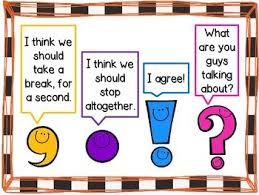
Beyond clarifying meaning, punctuation marks also play a vital role in conveying tone and emphasis in written language. A well-placed exclamation point can add excitement or urgency to a sentence, while a question mark can invite curiosity or uncertainty. Using ellipses can create a sense of suspense or trailing off, while dashes can signal abrupt thought changes. By harnessing the power of punctuation, writers can imbue their words with nuance and emotion, enriching the reader’s experience and strengthening the impact of their message.
Improving Readability and Engagement
Effective use of punctuation can enhance the readability of written text, making it easier for readers to navigate complex ideas and follow the author’s train of thought. By breaking up long sentences with commas, semicolons, and periods, writers can create a rhythm that engages the reader and maintains their interest. Proper punctuation also helps to structure writing, organize information into logical units and guide the reader through the text. In this way, punctuation is a tool for writers to craft compelling narratives and persuasive arguments that resonate with their audience.
Conclusion
In conclusion, punctuation marks are indispensable tools for writers, enabling them to communicate clearly, convey tone and emphasis, and engage readers effectively. Punctuation is a tool that allows us to organize our thoughts and make it easier to review and share our ideas. The standard English punctuation is as follows: period, comma, apostrophe, quotation, question, exclamation, brackets, braces, parenthesis, dash, a hyphen, ellipsis, colon, and semicolon. By mastering the art of punctuation, writers can elevate their writing to new heights, capturing the nuances of language and wielding the power of symbols to shape meaning and emotion. As we continue to navigate the vast landscape of written communication, let us not overlook the humble punctuation mark, for in its careful placement lies the key to unlocking the full potential of our words.

 Lazarus Carpenter - Author